
Most sold
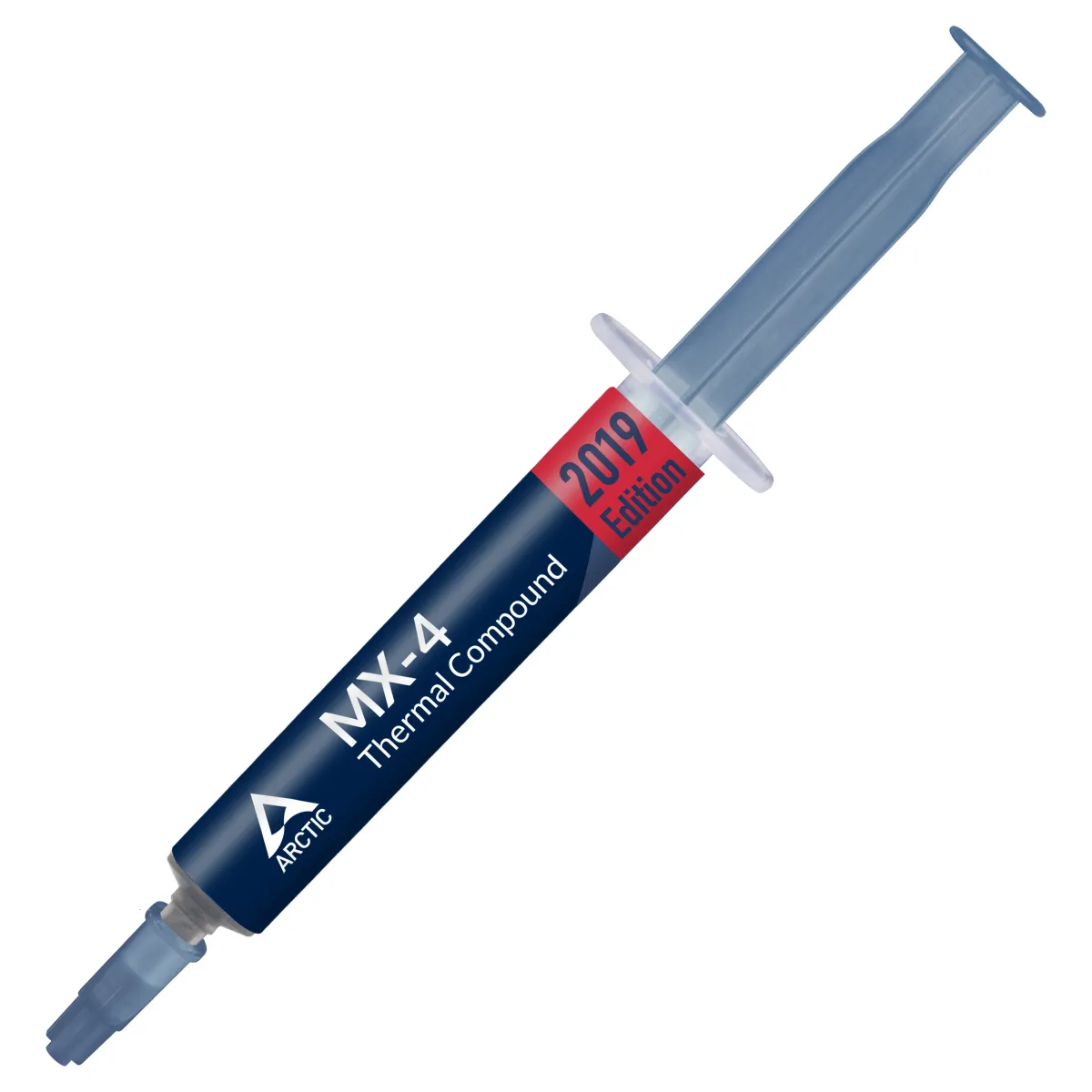
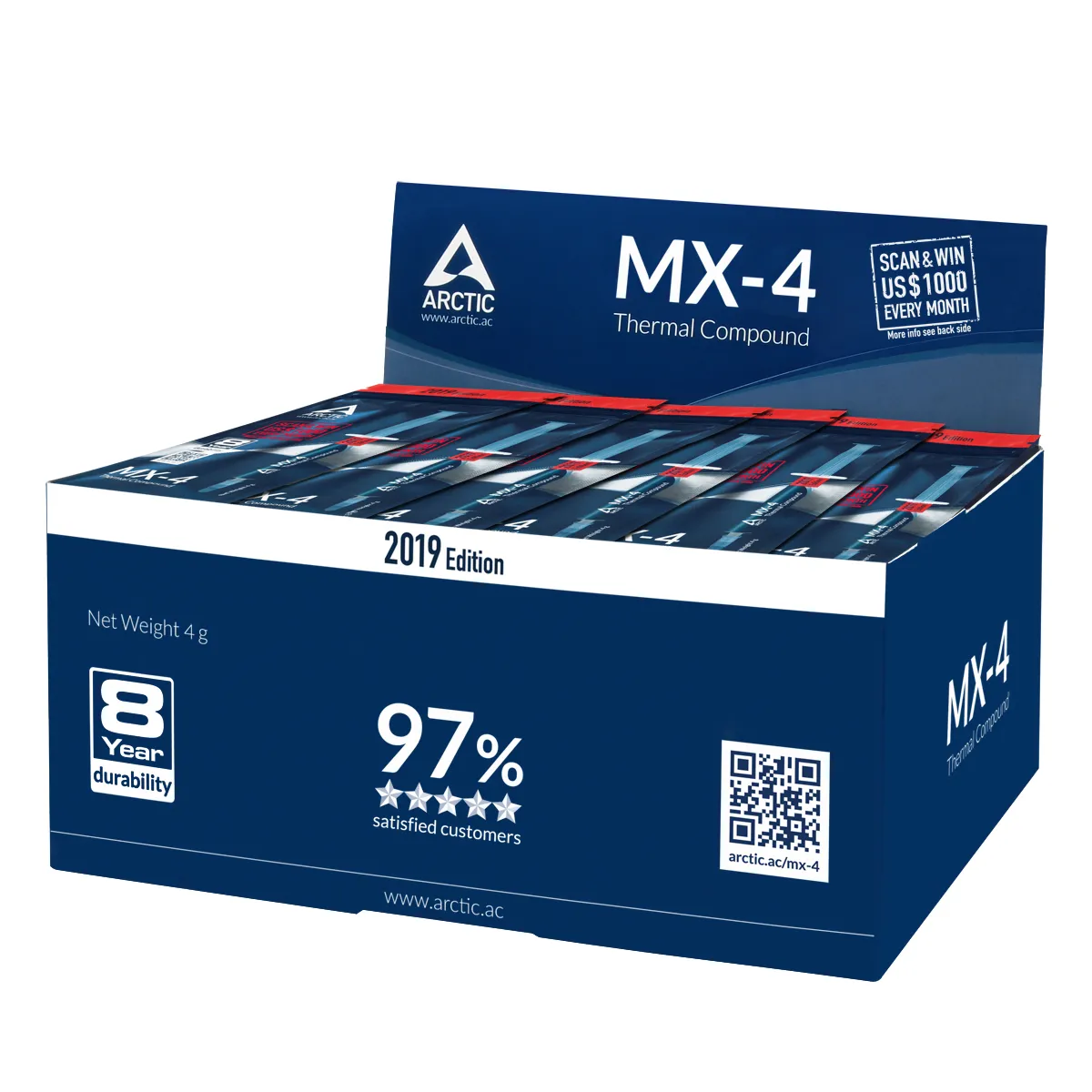
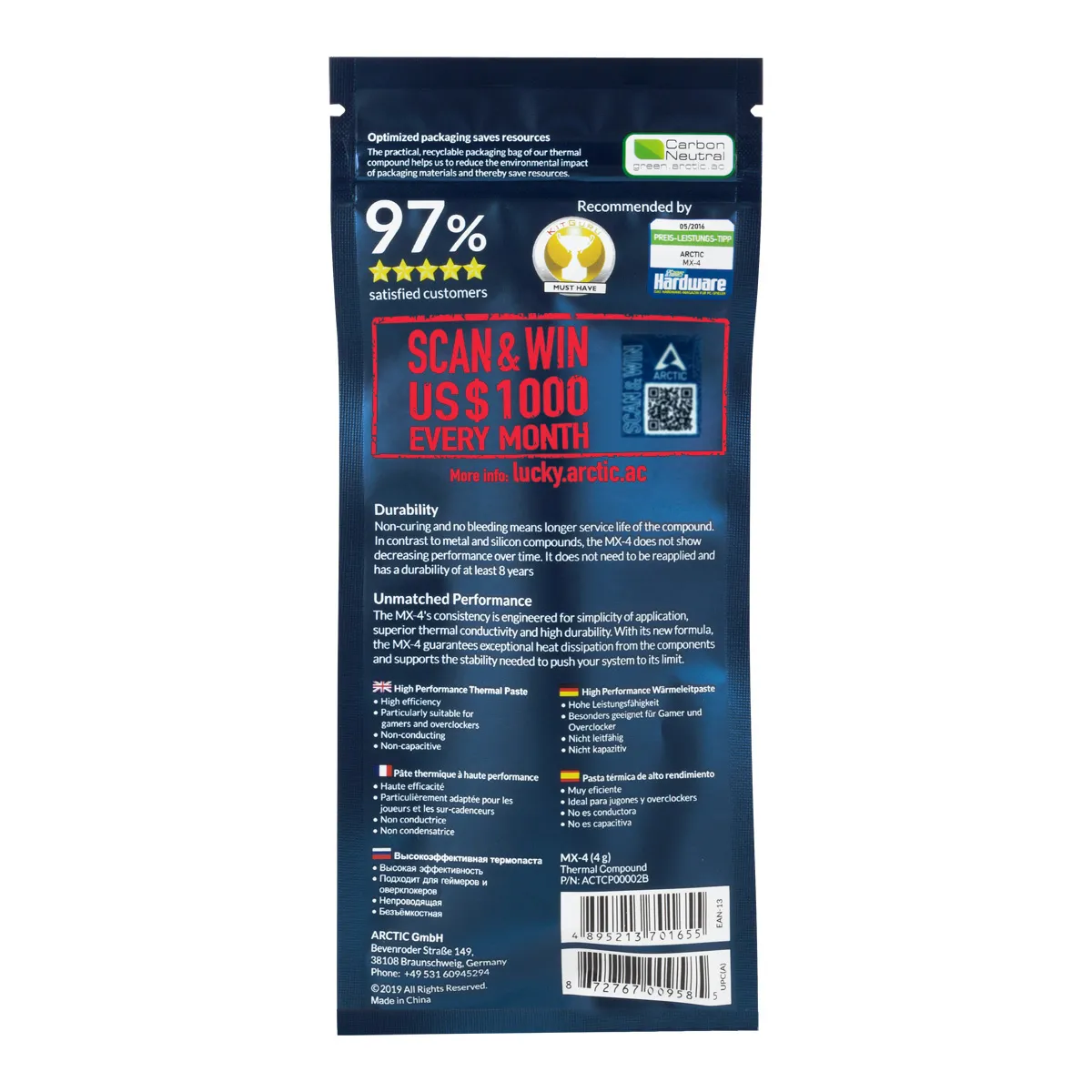
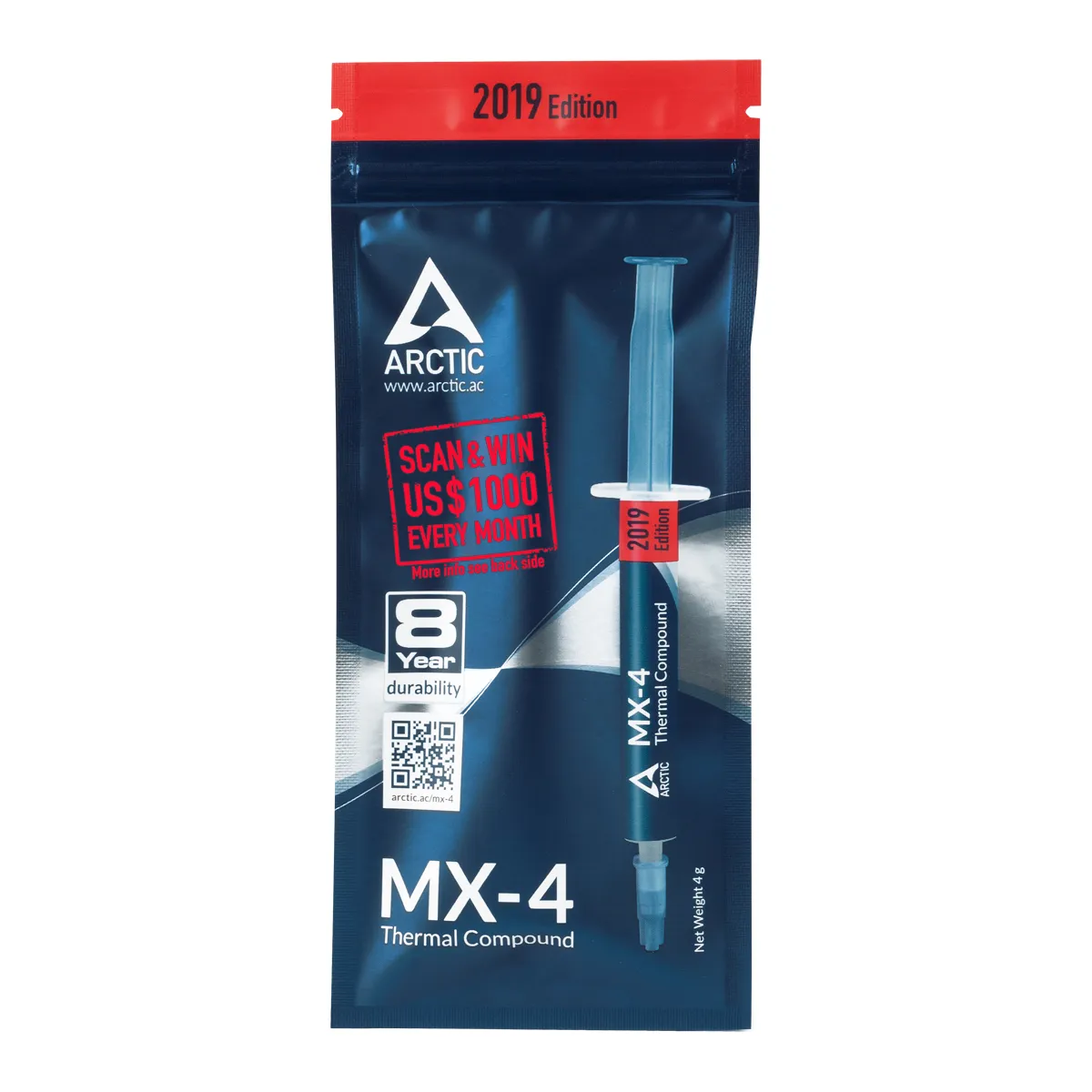








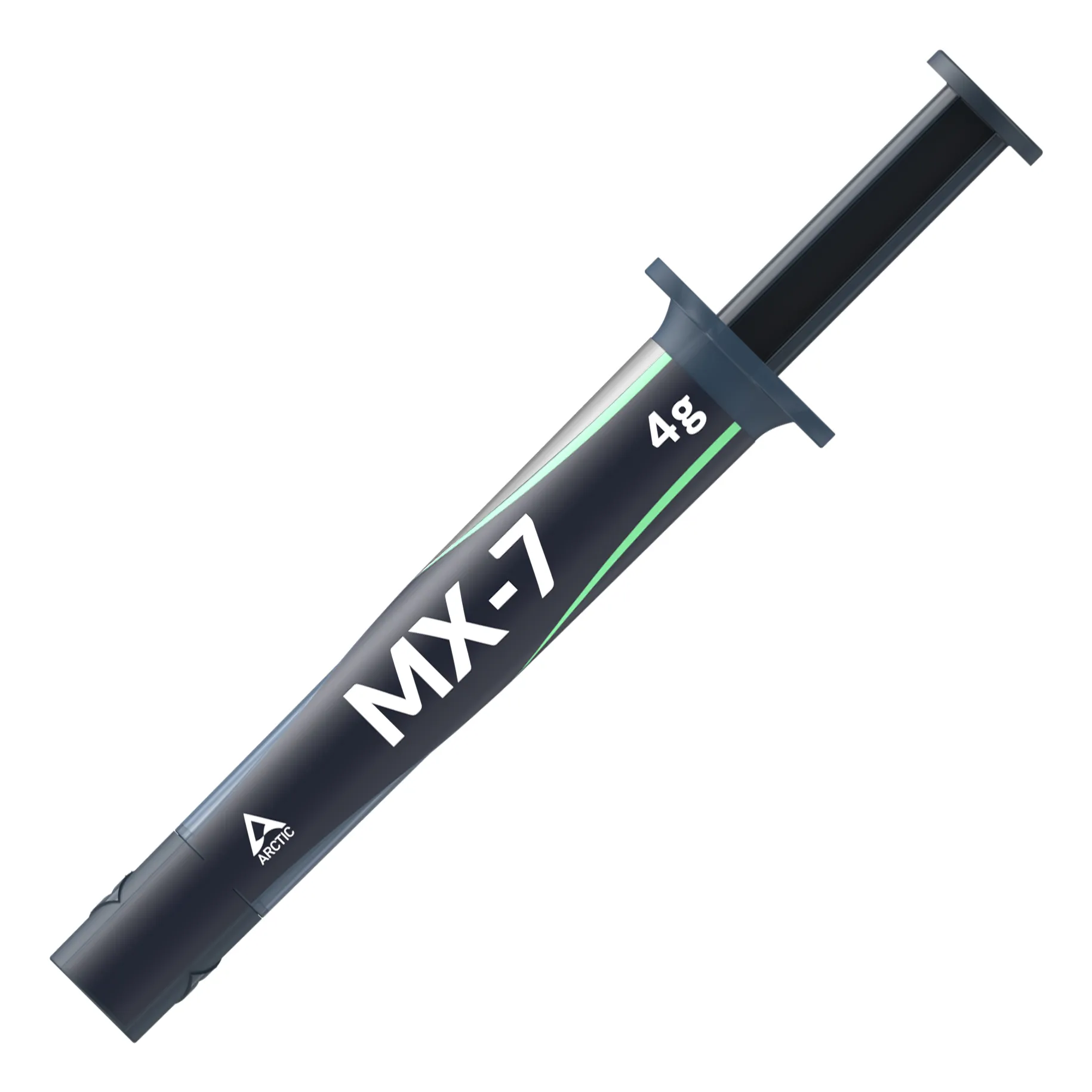
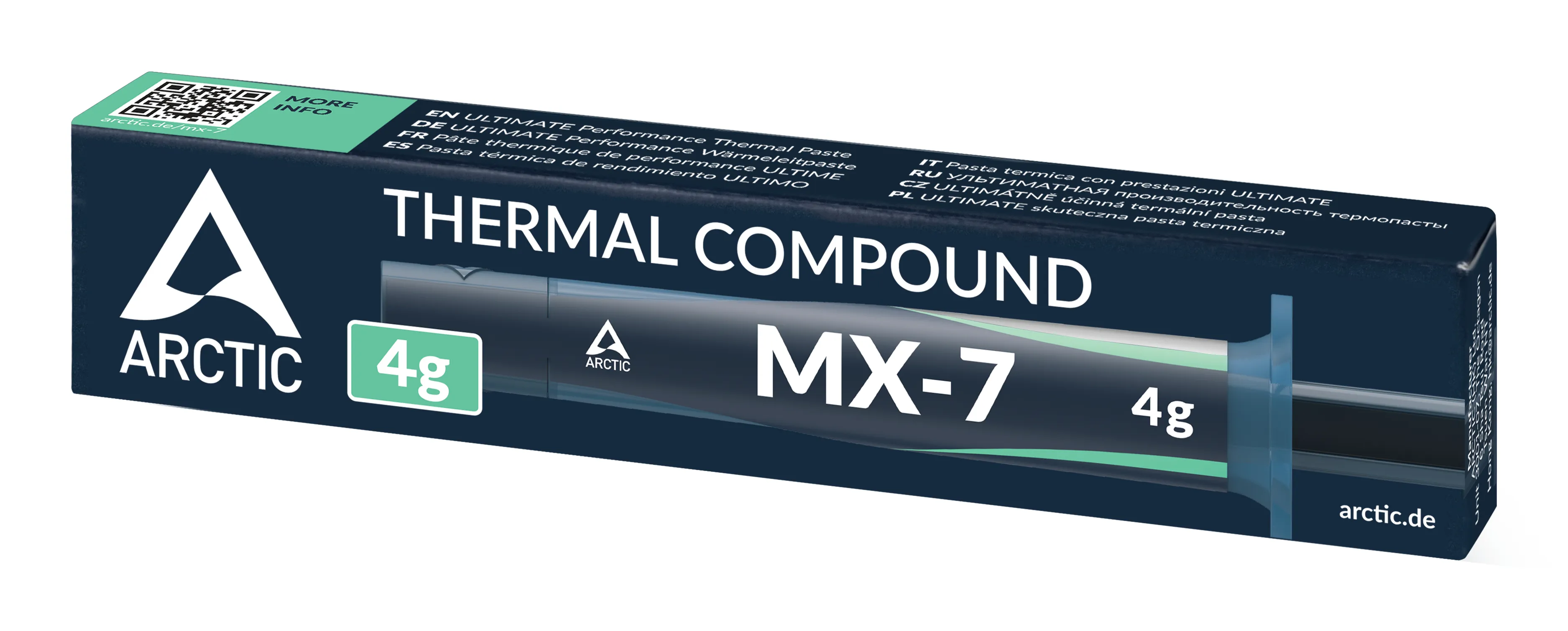
Cooling Accessories
Cooling accessories are small but critical components that ensure heat is efficiently transferred from the surface of the processor or chip to the cooler. Without these accessories, even the best air and liquid coolers lose a significant portion of their effectiveness, as microscopic imperfections between metal surfaces prevent direct contact. Quality accessories and regular maintenance ensure your computer runs cooler, quieter, and more stably.
How to choose the right paste or pad?
The choice depends on the component you are maintaining and the intensity of the cooling requirement:
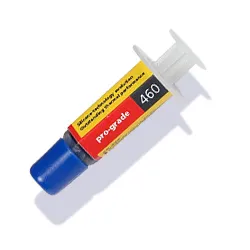
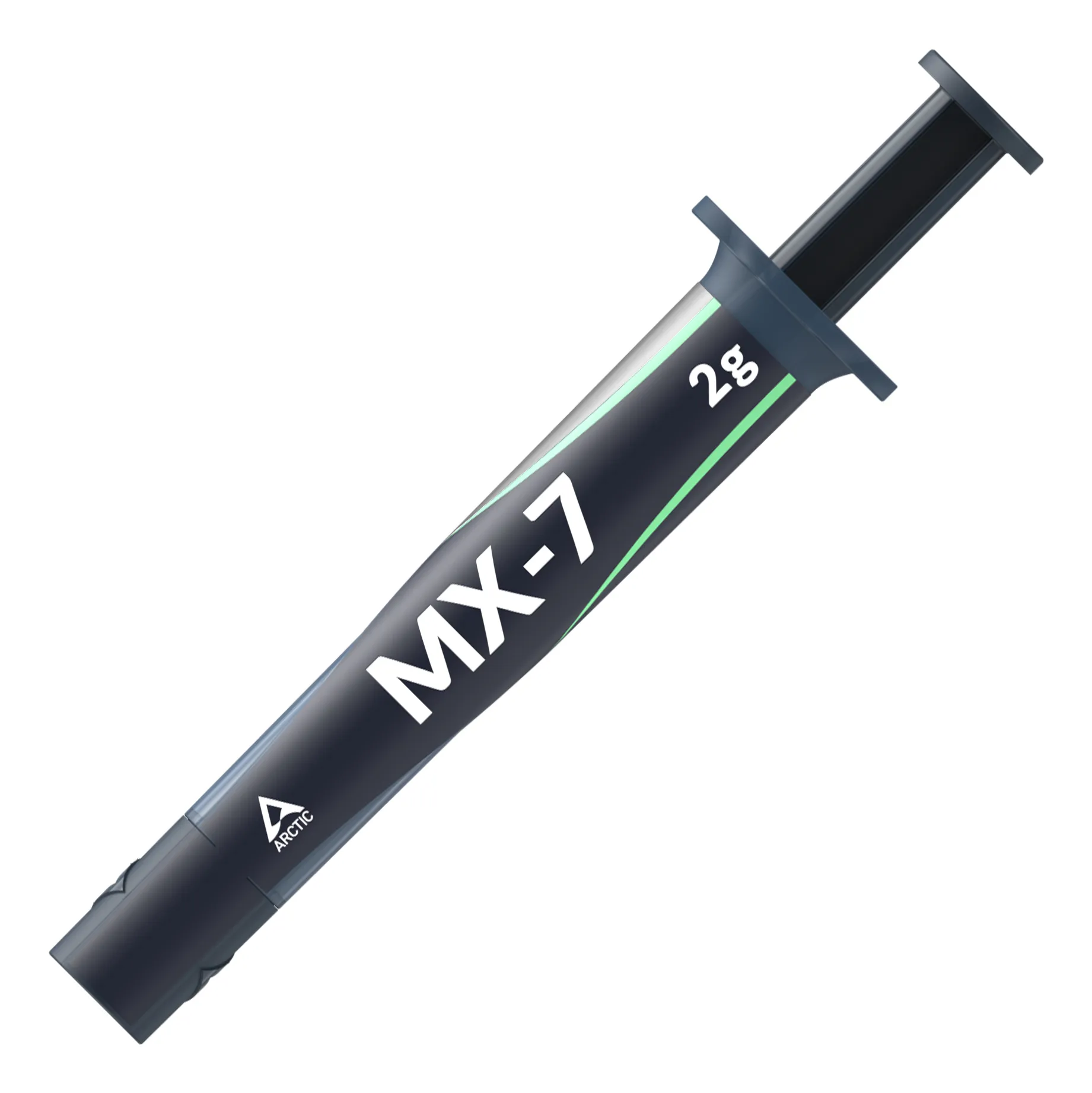
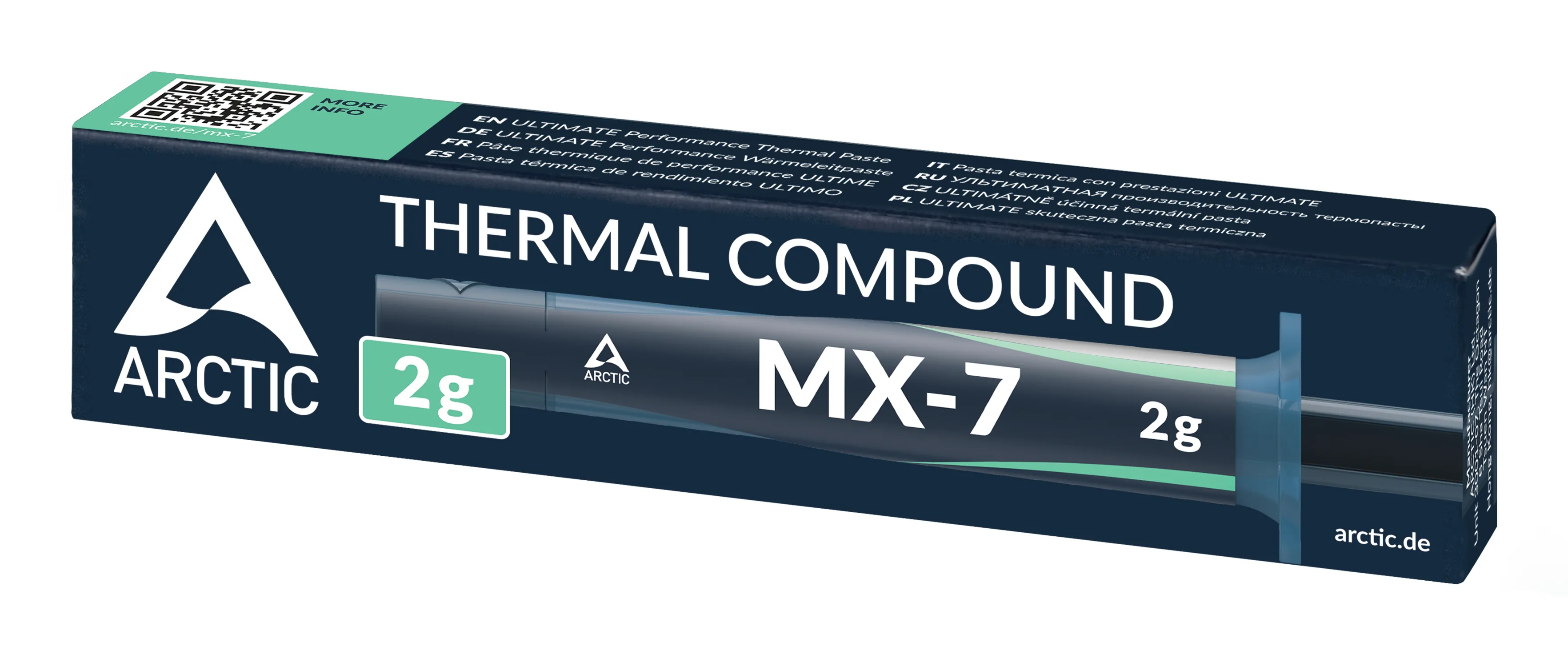
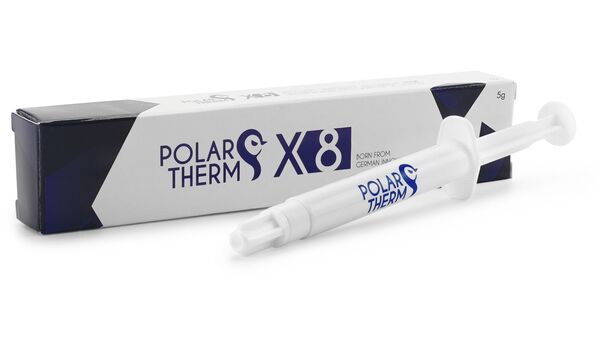
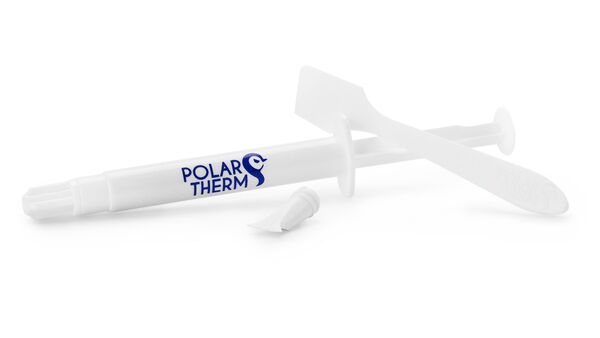
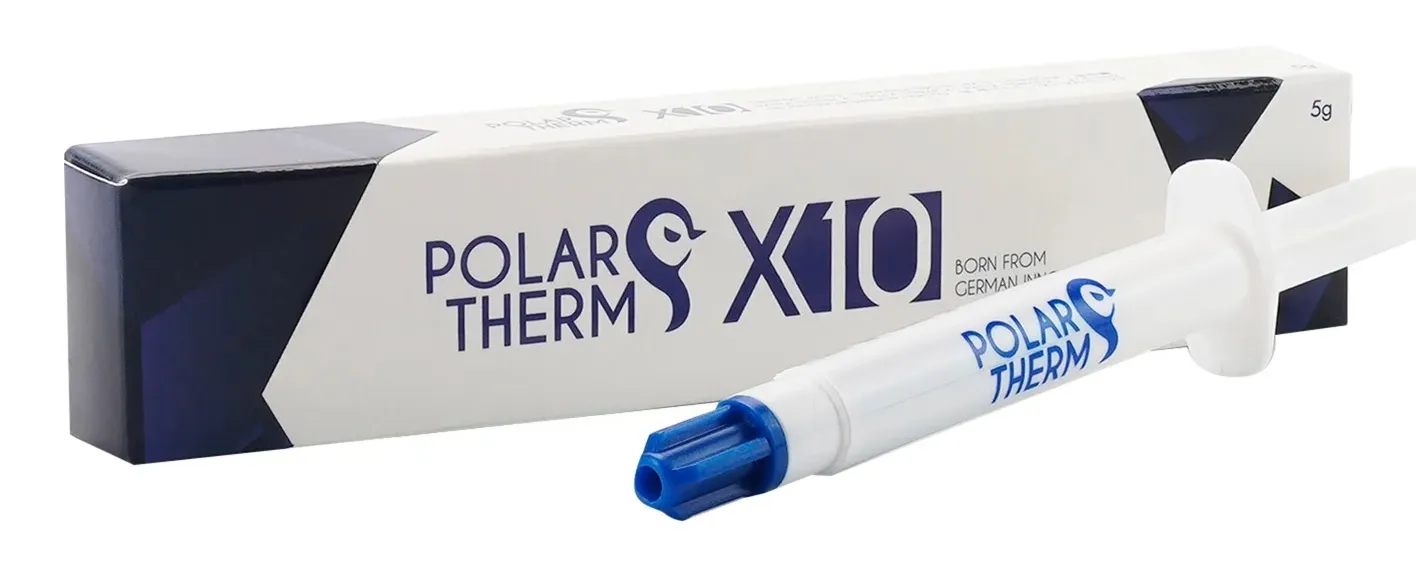
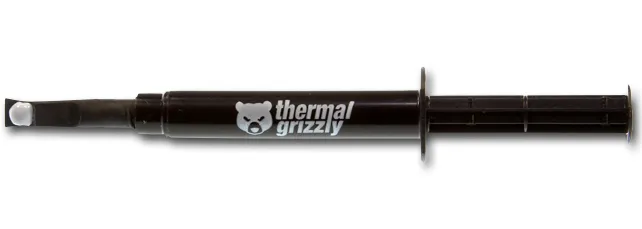
- Thermal Paste: Used to fill the gap between the processor and the cooler. Consider thermal conductivity (W/mK) and whether the paste is electrically conductive. Most enthusiast pastes are non-conductive and safe to use.
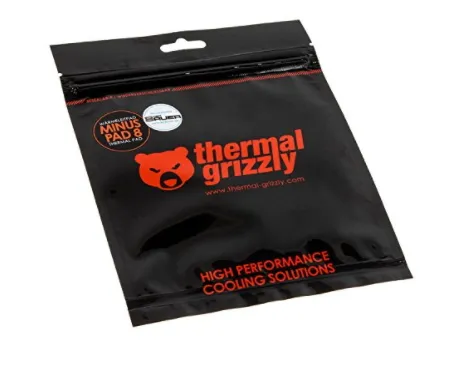
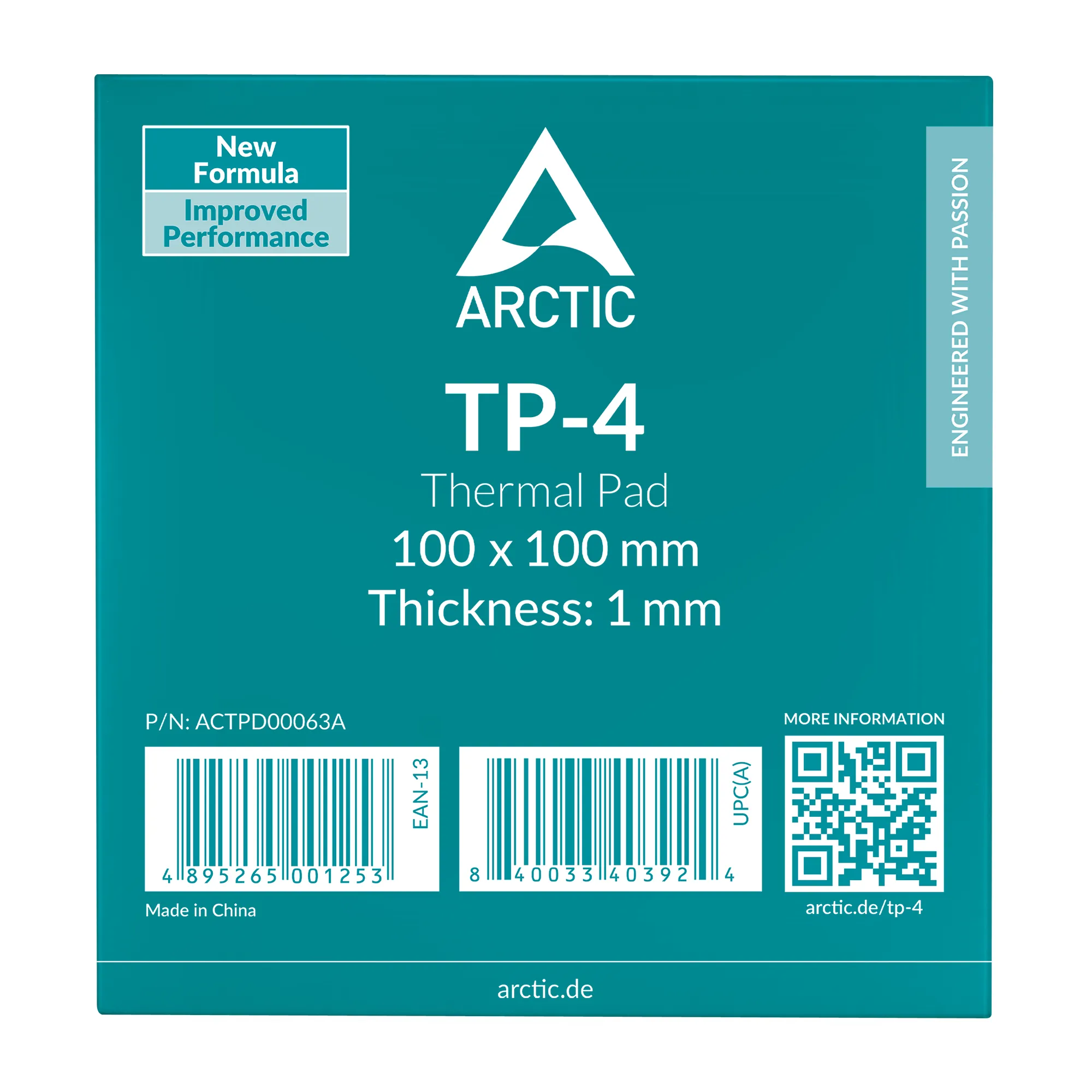
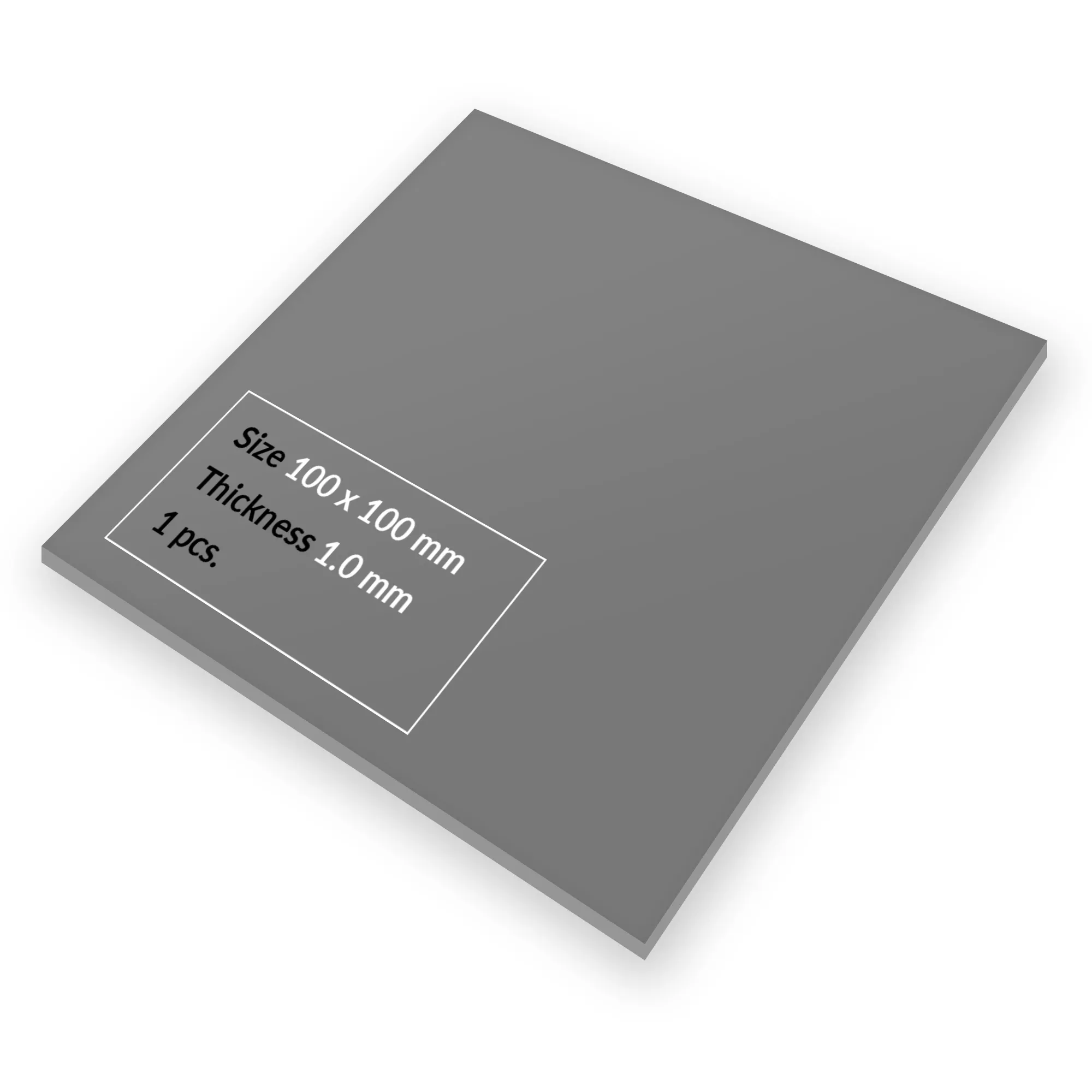
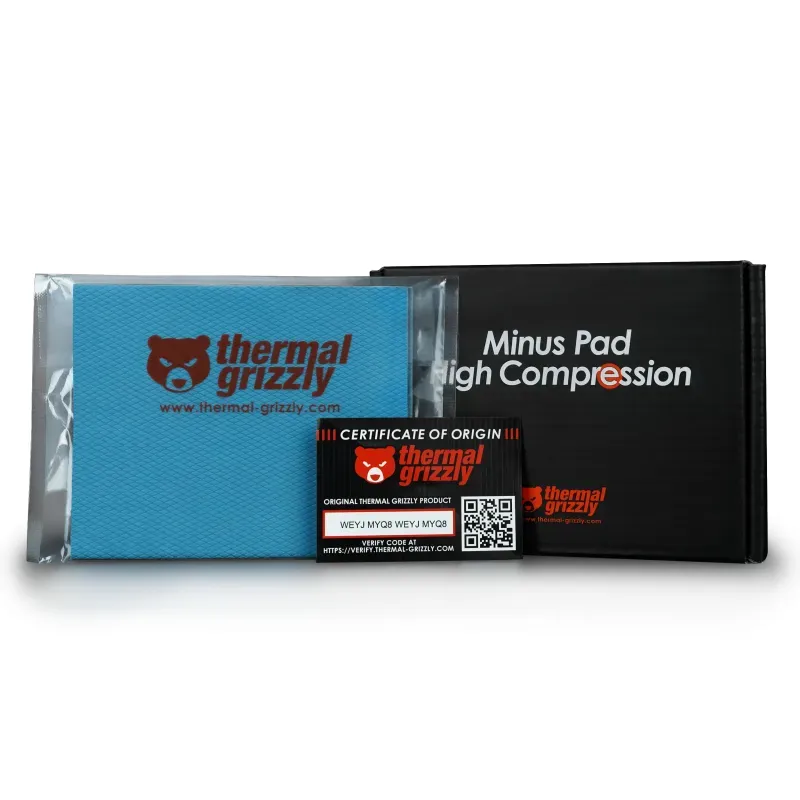
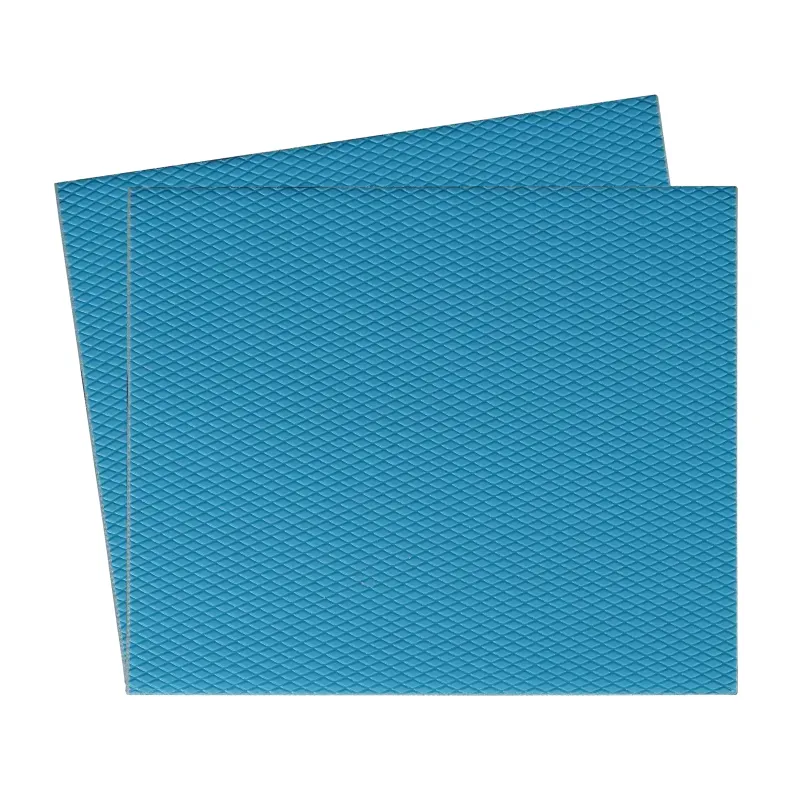
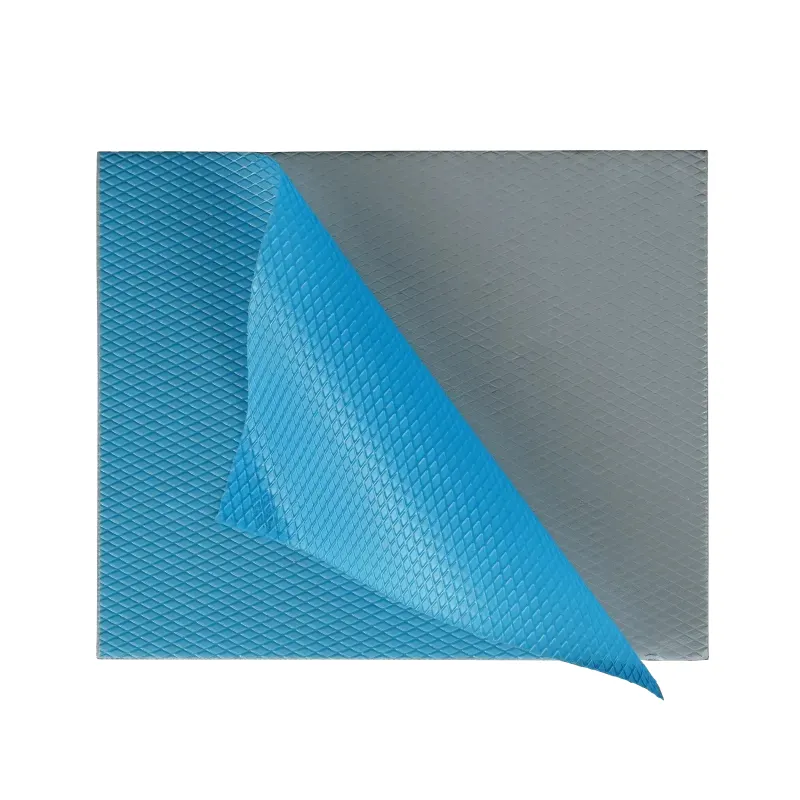
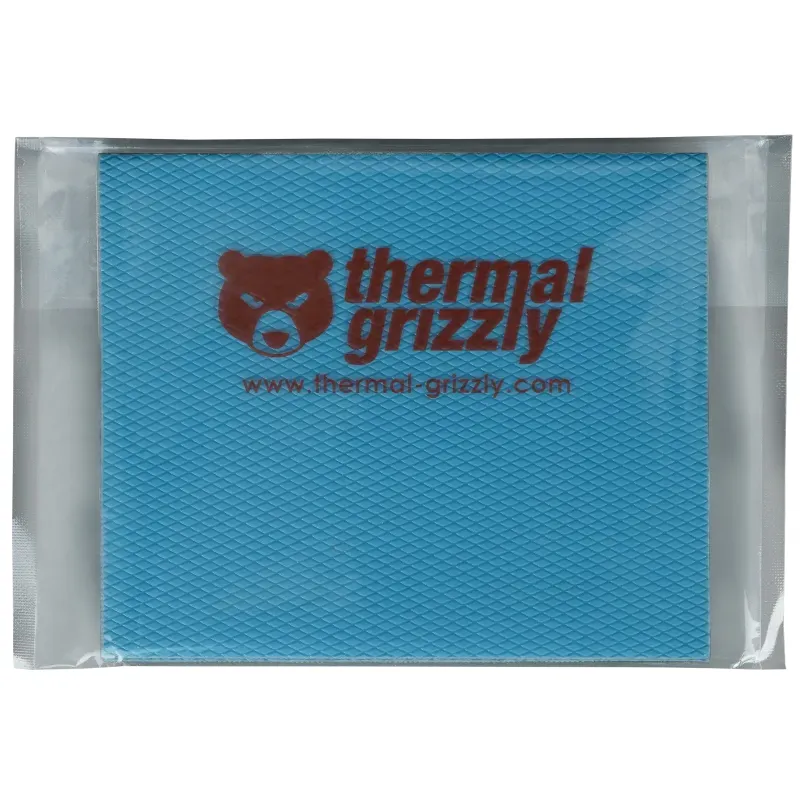
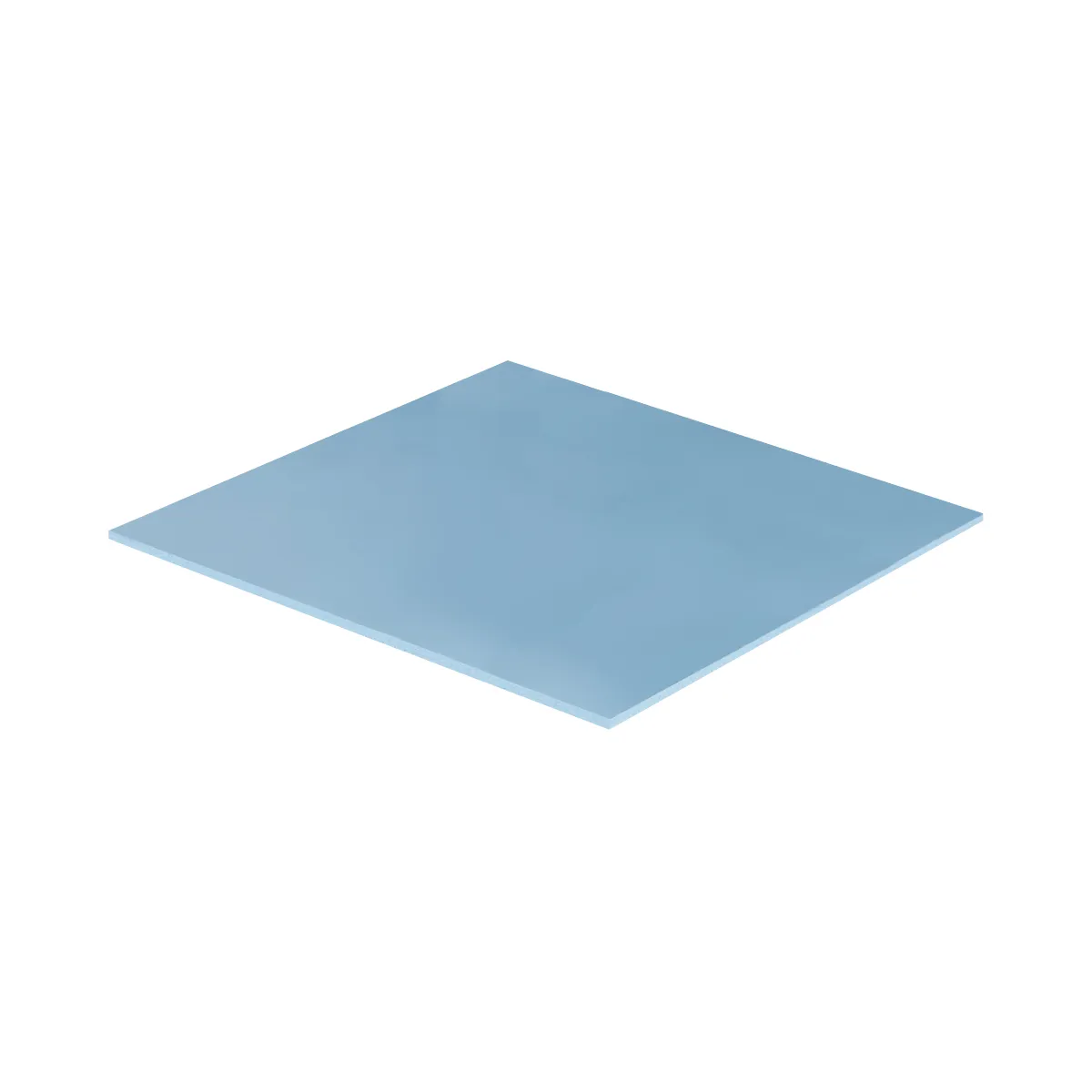
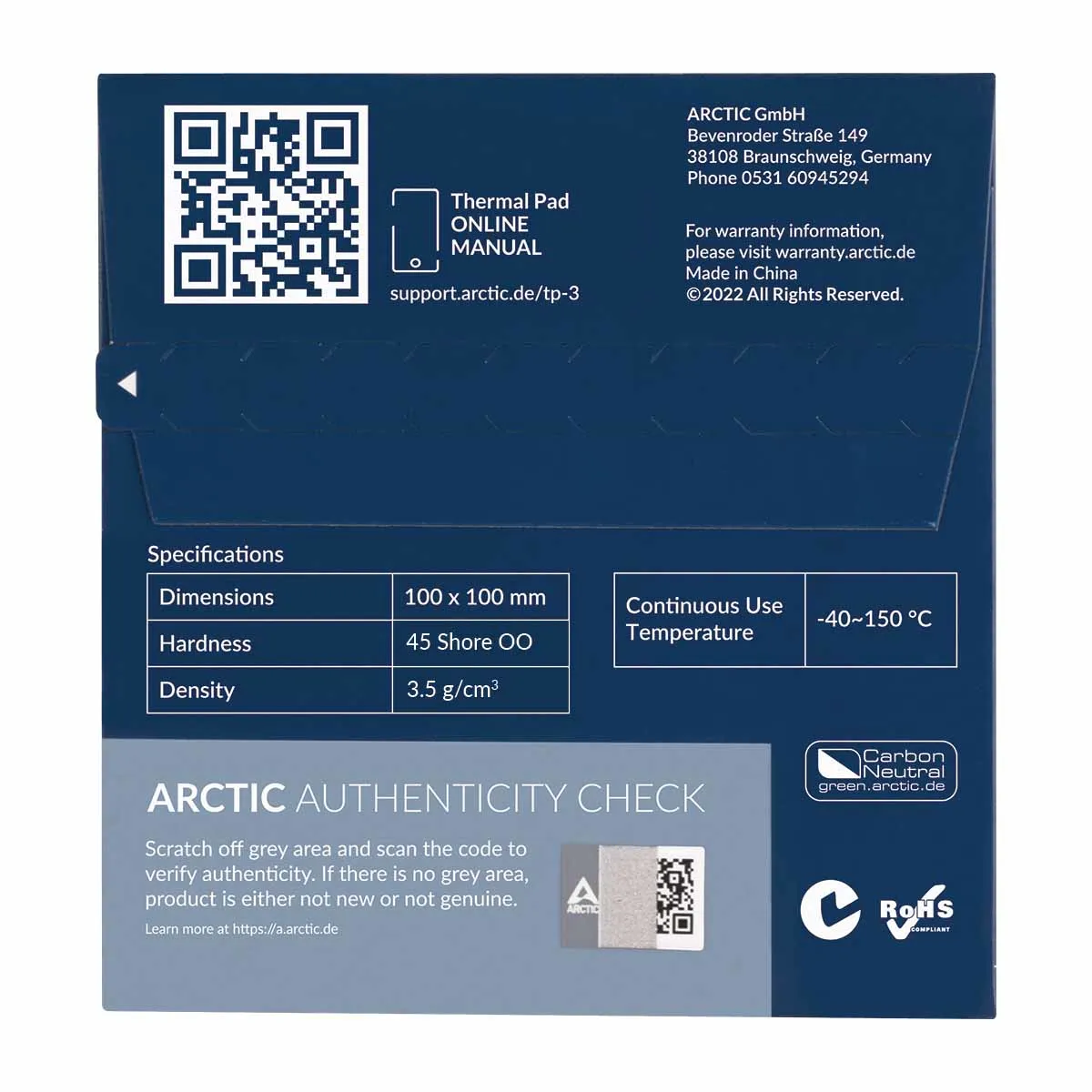
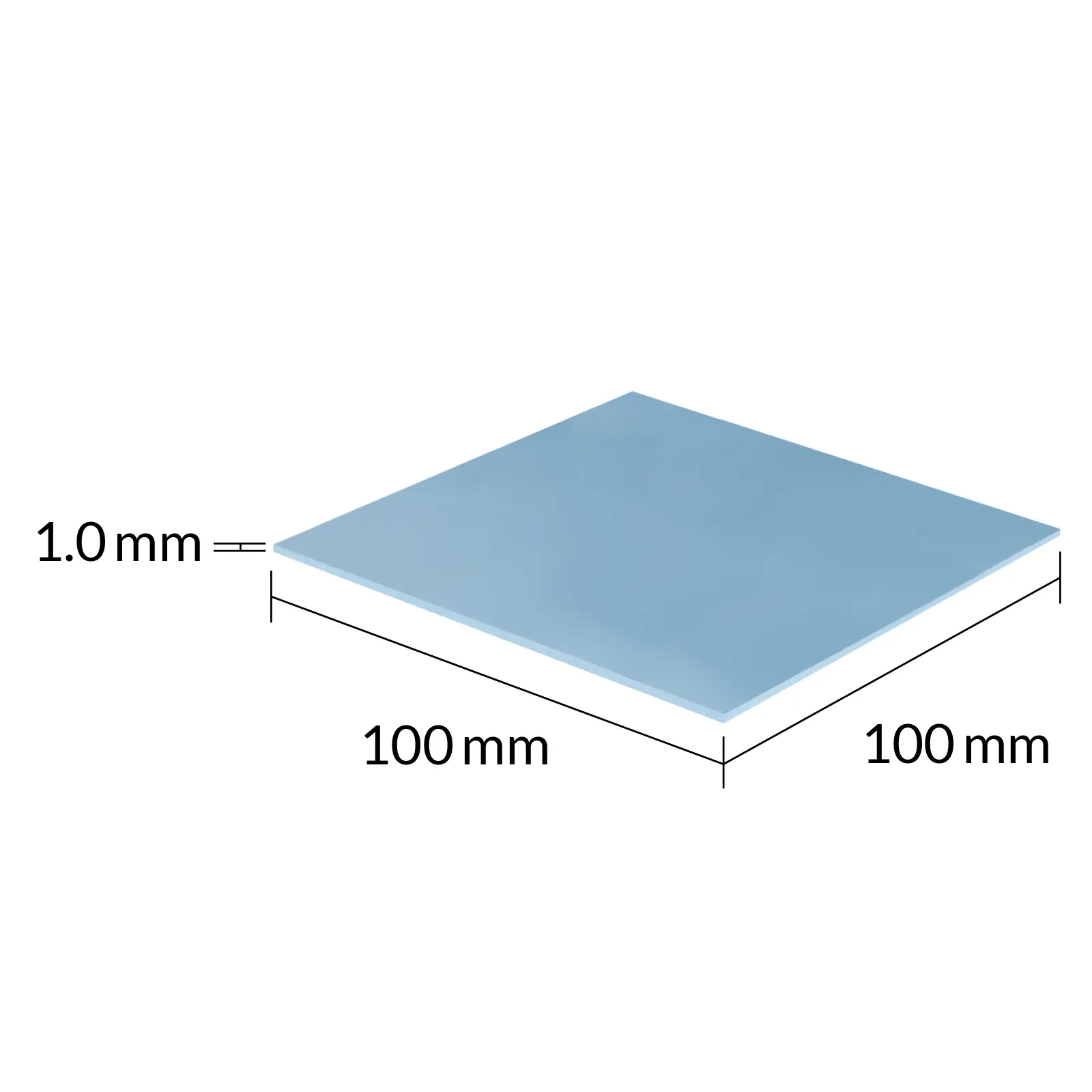
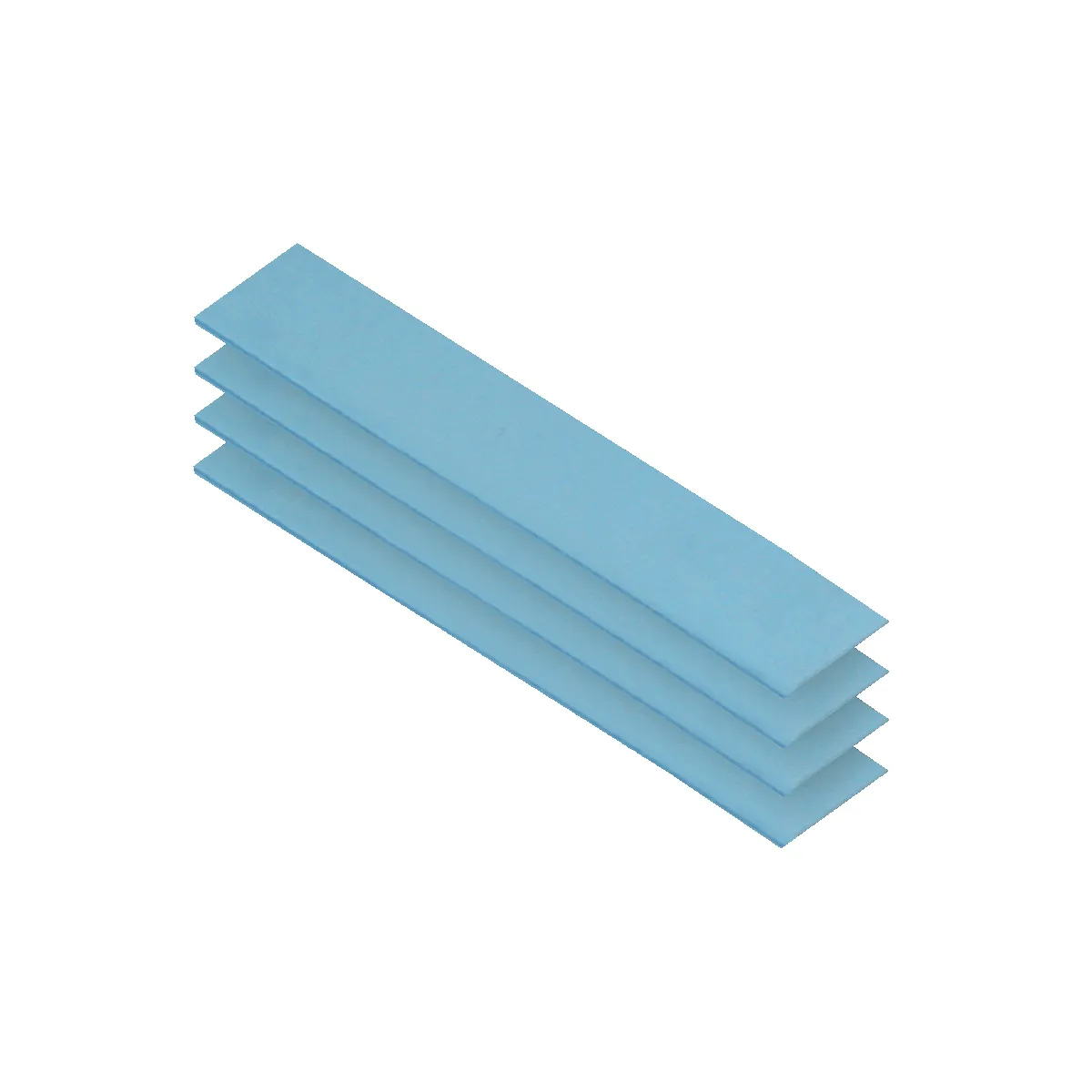
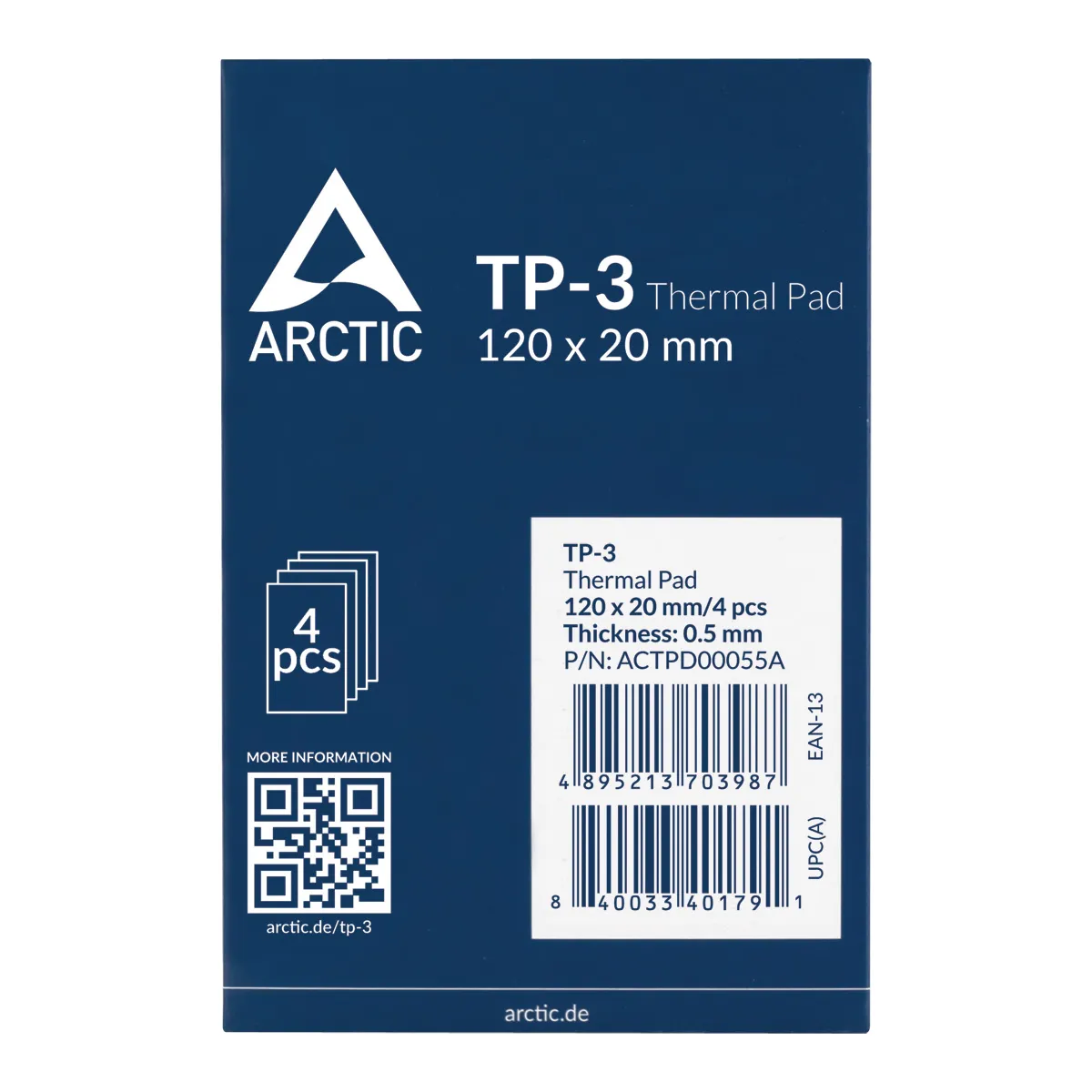
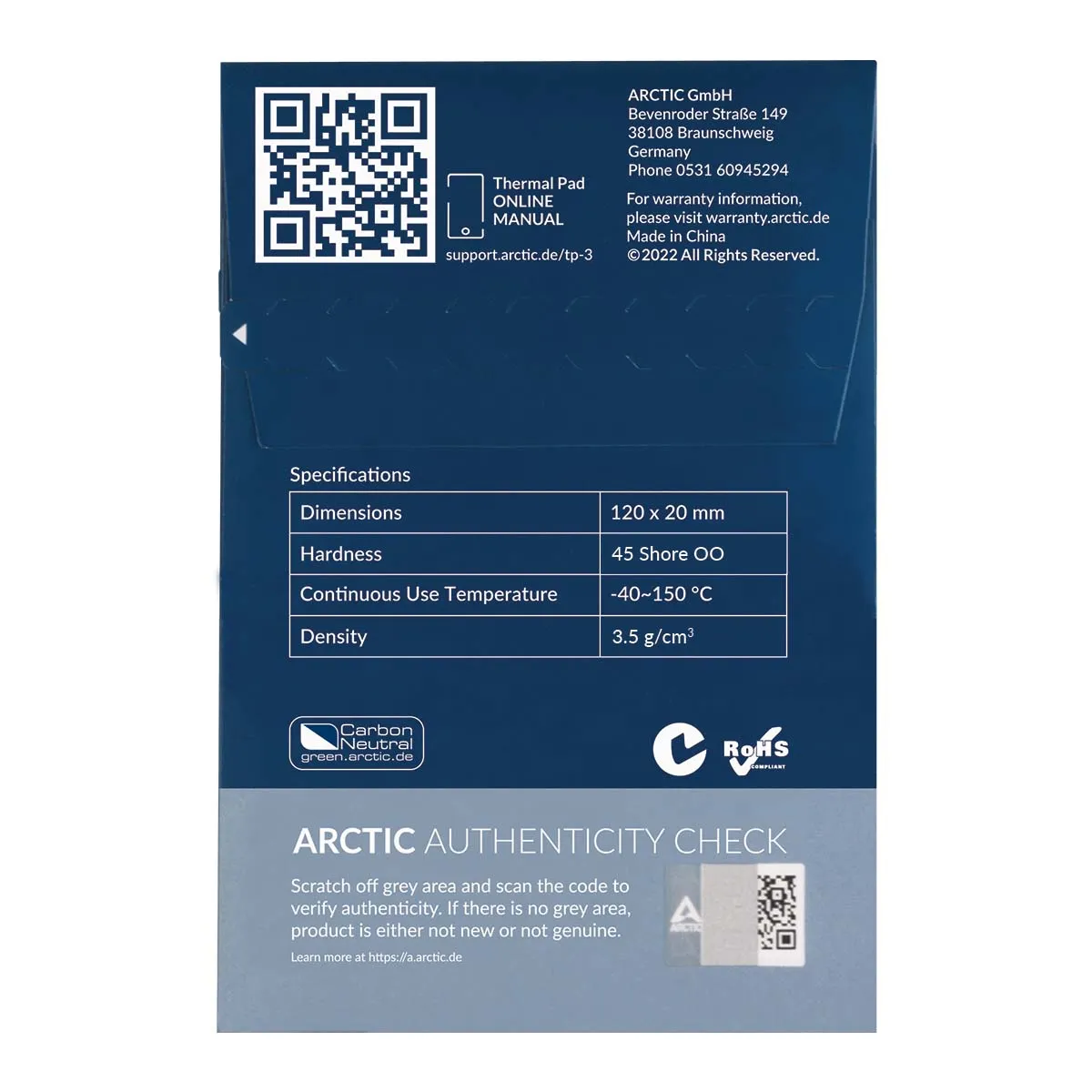
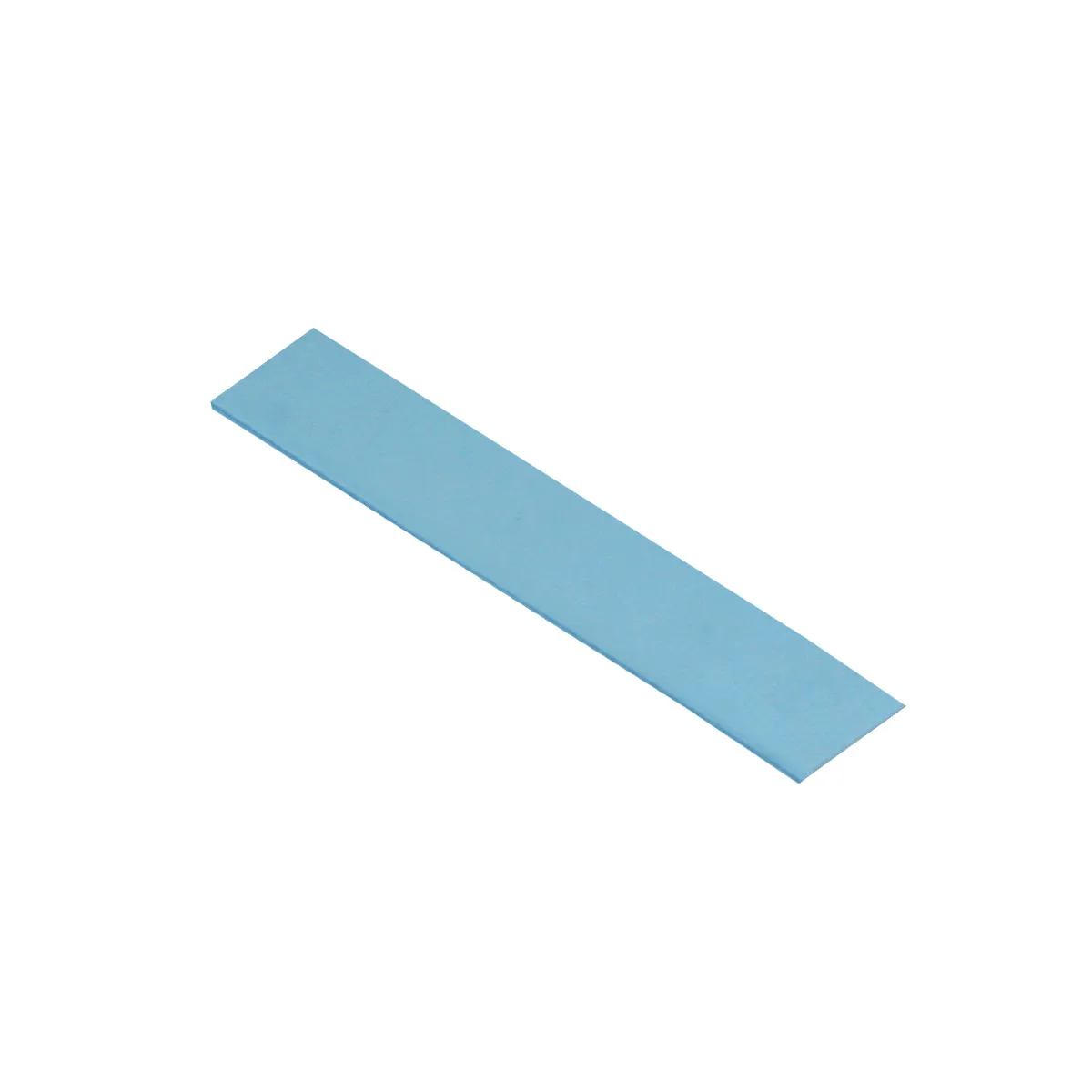
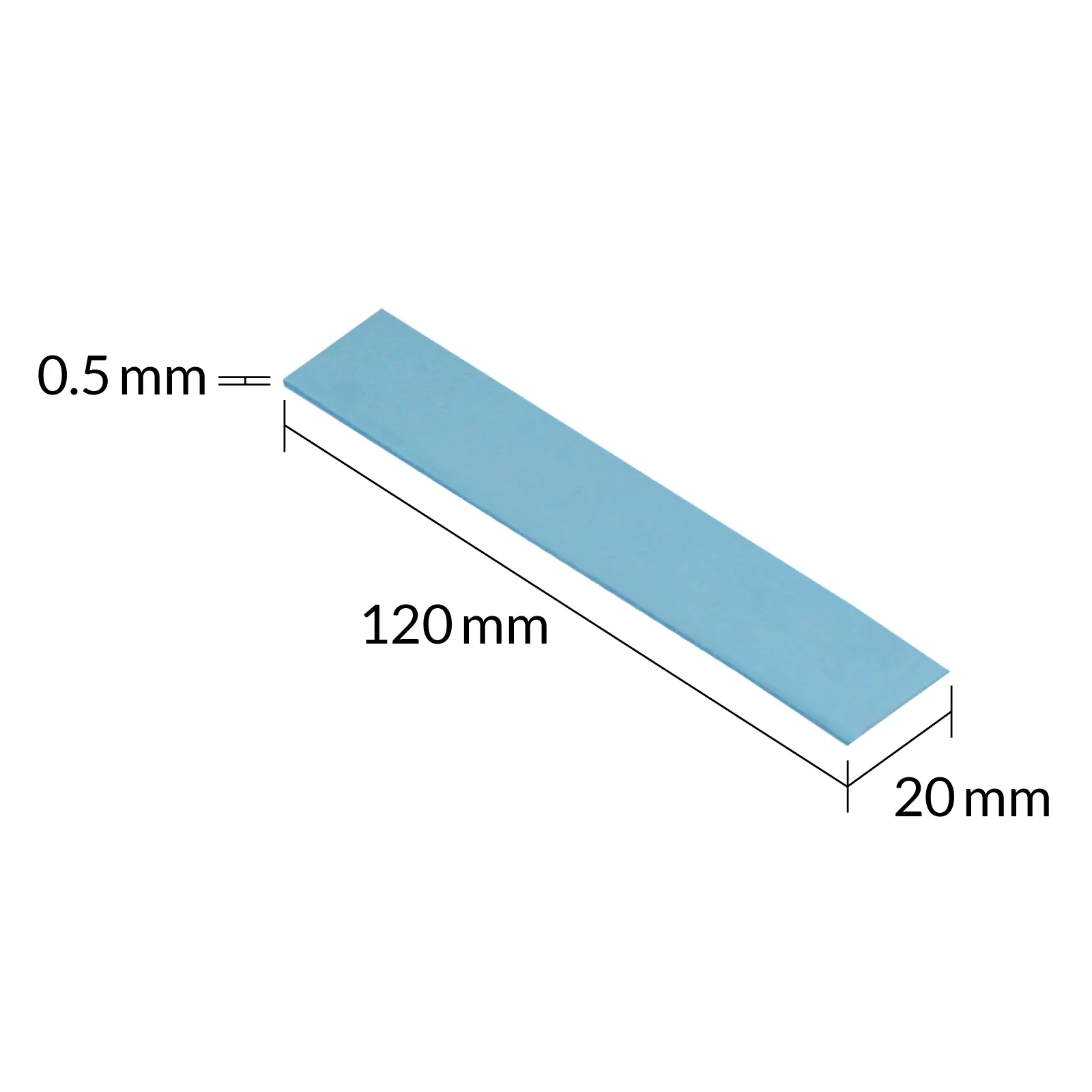
- Thermal Pads: Used where the distance between the component and the cooler is larger, such as on GPU memory chips or motherboard VRMs. These come in various thicknesses, and selecting the correct one is critical for ensuring contact.
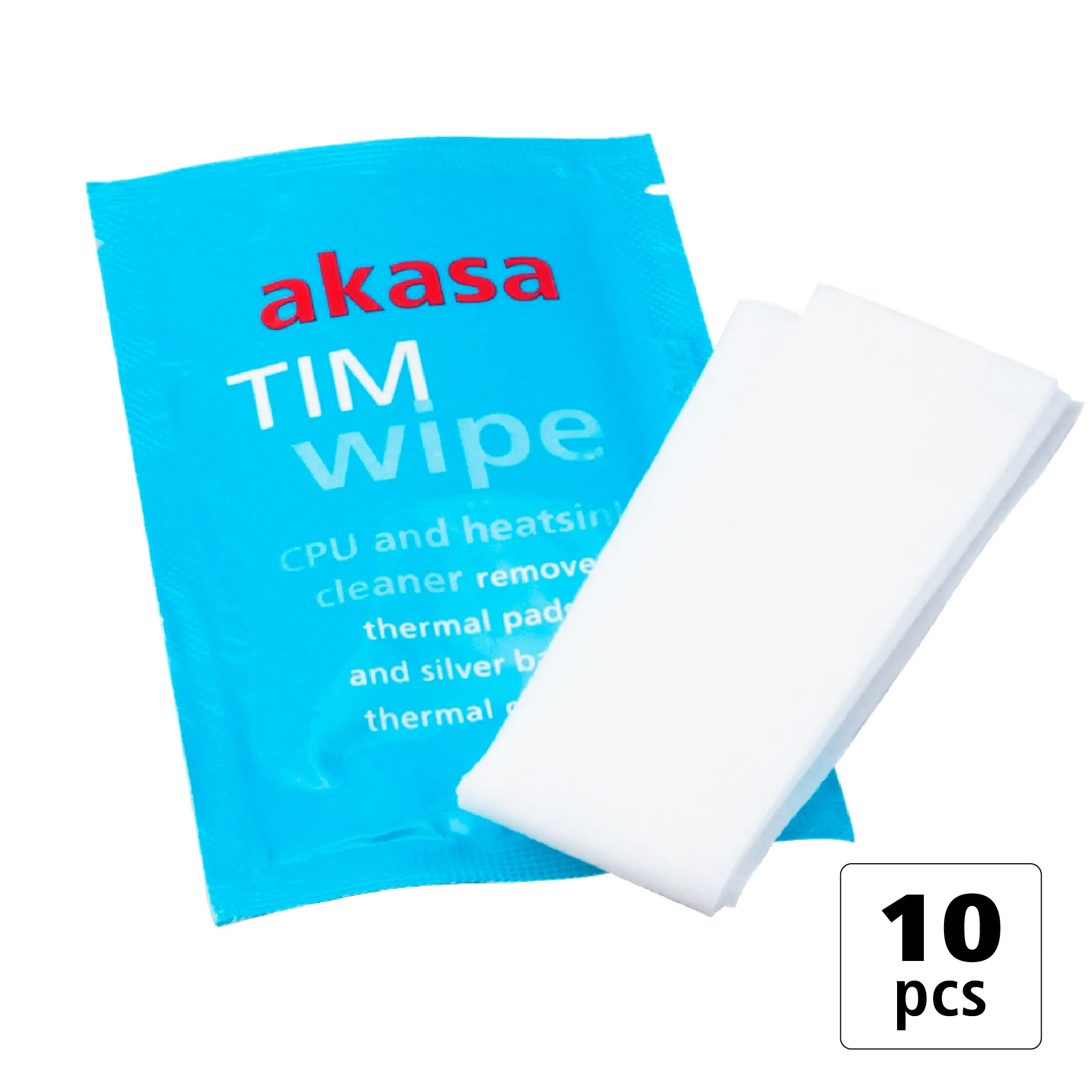
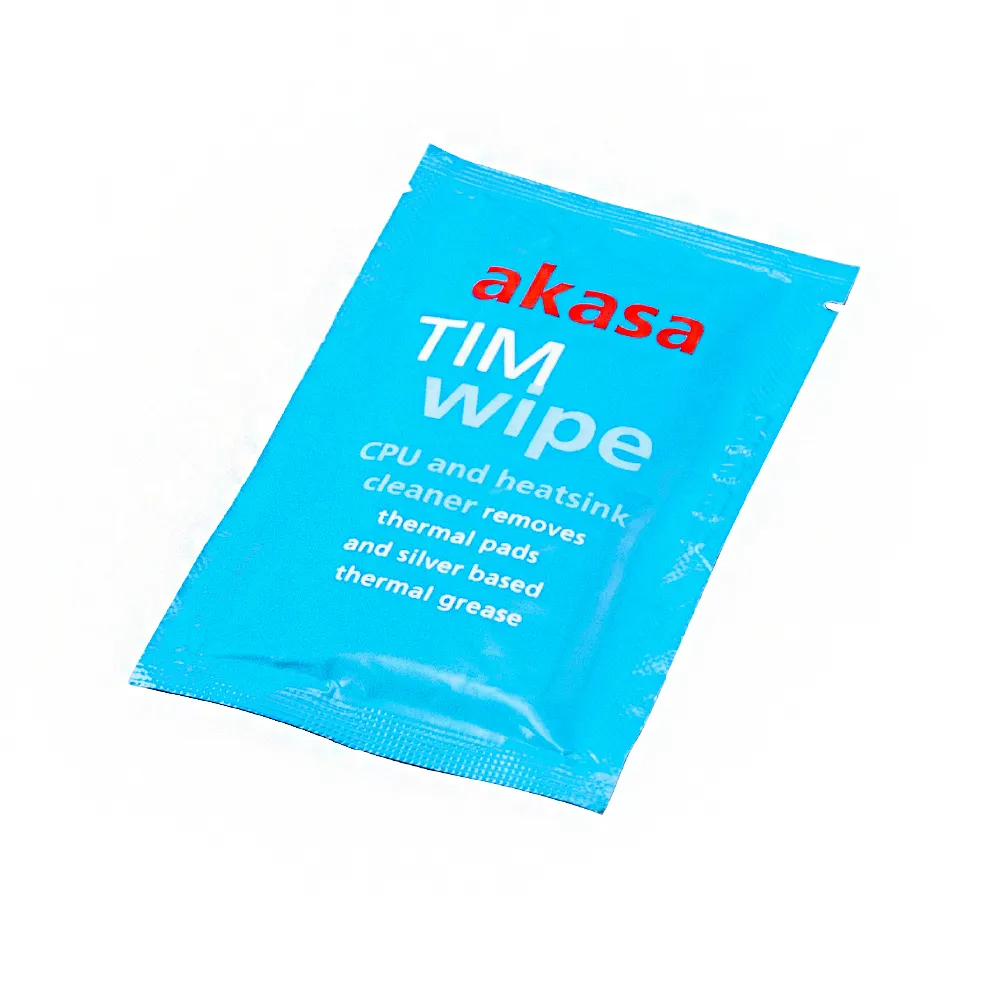
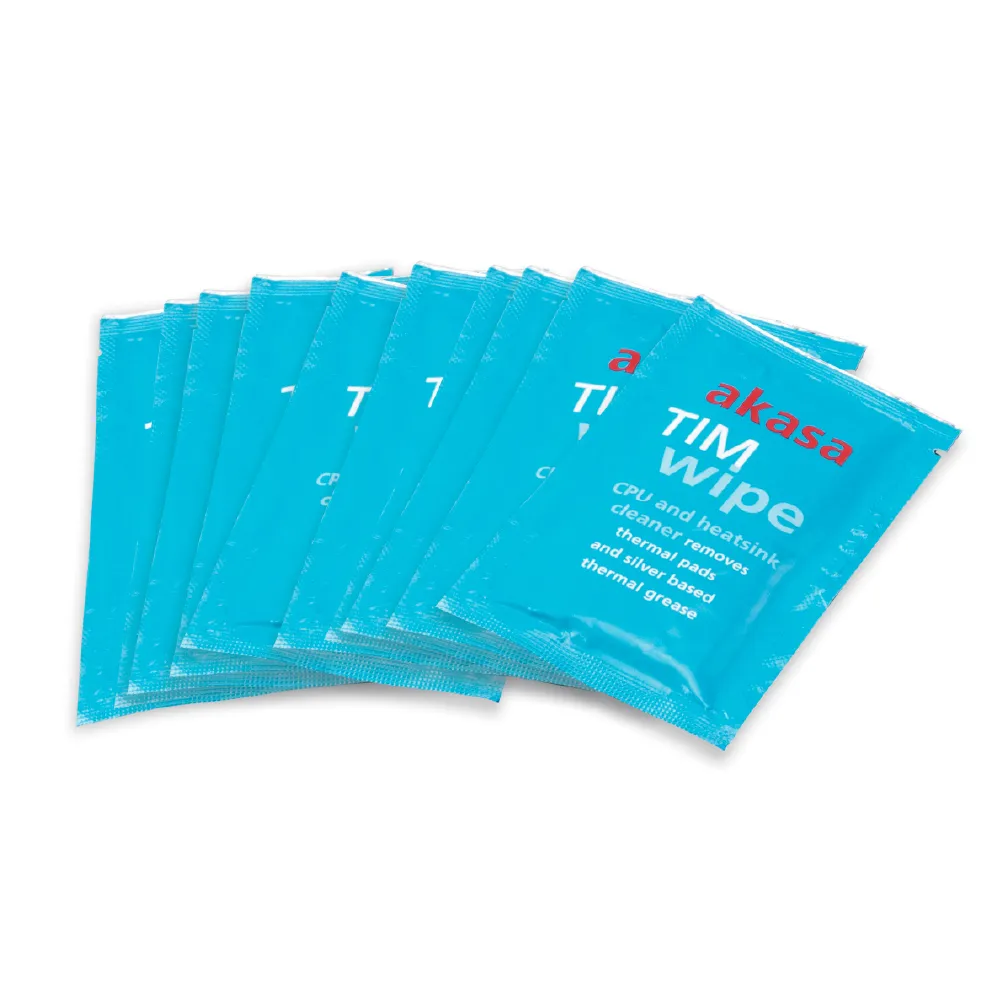
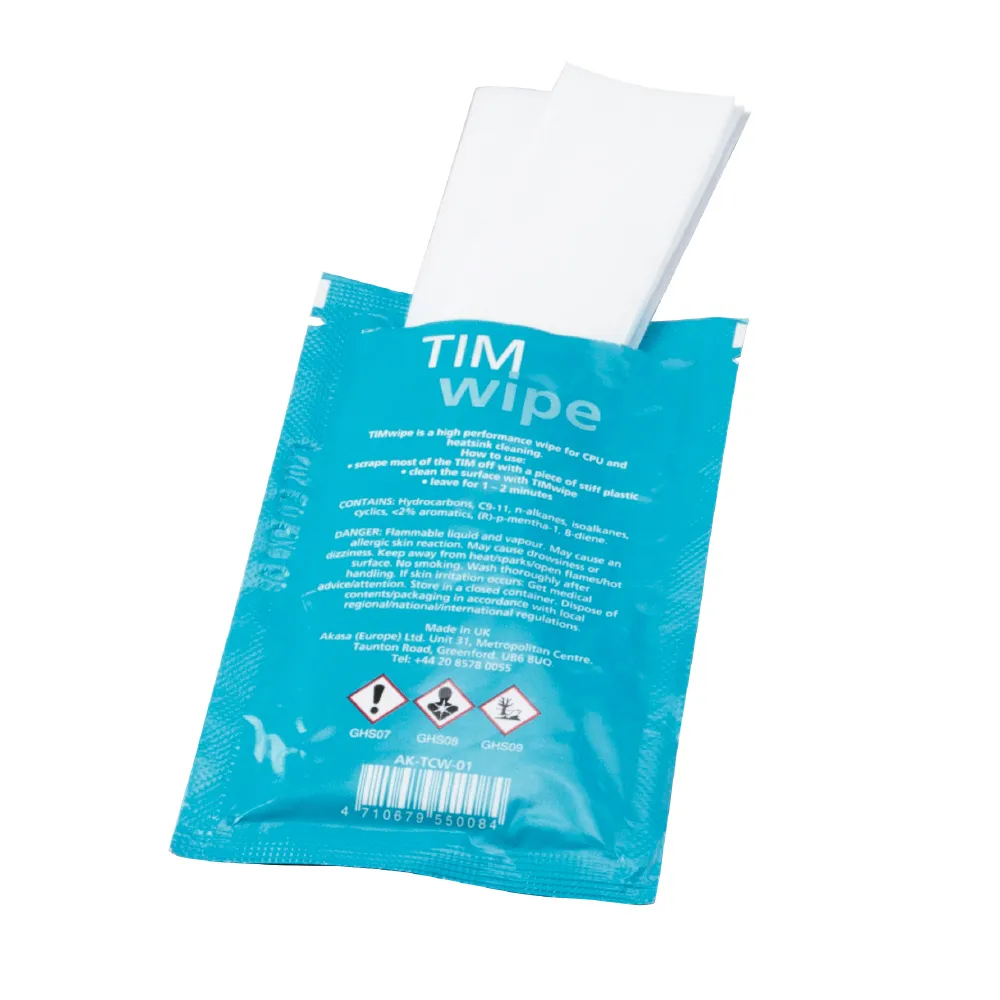
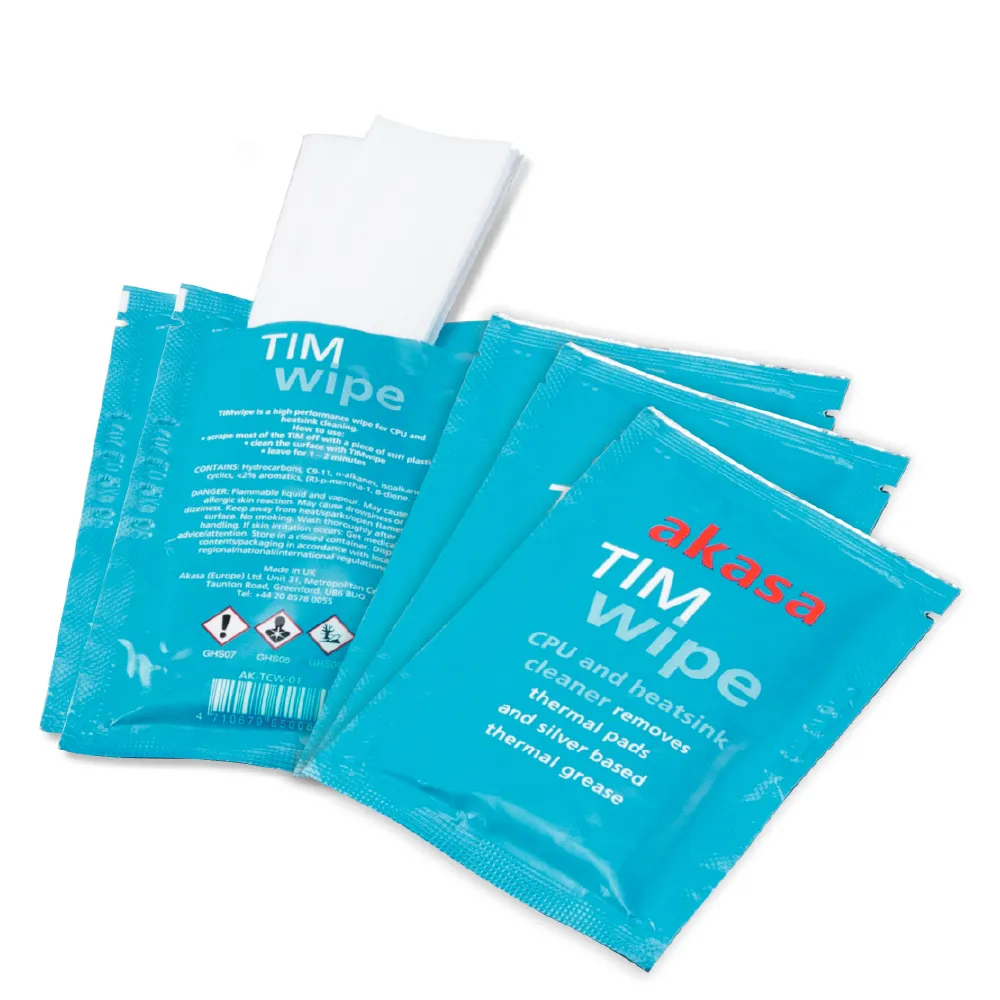
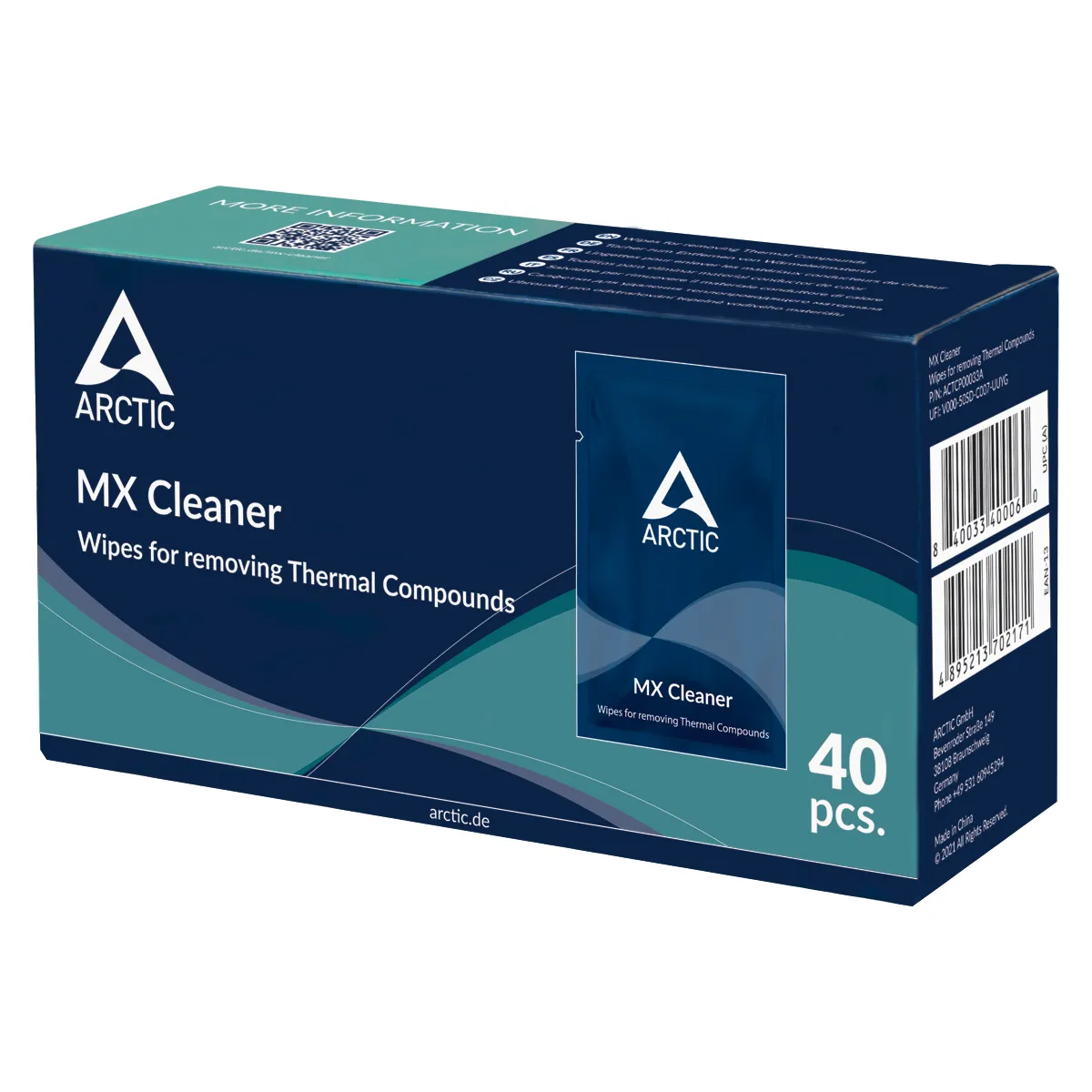
- Cleaning Tools: Before applying new paste, old, dried paste must be carefully removed. Isopropyl alcohol or specialized cleaning fluids ensure a clean surface and the best possible adhesion.
The most popular brands
Reliability and performance are central in the cooling accessories market. Leading manufacturers include Arctic, Thermal Grizzly, Noctua and Cooler Master.
Frequently Asked Questions (FAQ)
How much thermal paste should be applied?
The most common recommendation is a pea-sized amount in the center of the processor. The key is to avoid using too much to prevent overflow while ensuring the entire surface is covered during compression.
Can thermal paste be replaced by a thermal pad?
Generally, no. Thermal paste is designed for extremely thin gaps, while thermal pads are made to fill larger spaces. Using the wrong material can lead to component overheating due to poor contact.
Does thermal paste expire in the tube?
Yes, most manufacturers specify a shelf life of 2 to 8 years. If the paste has become lumpy or separated, it should be replaced.
What is the difference between ceramic and metal-based thermal paste?
Ceramic pastes are usually non-conductive, making them safer for beginners. Metal-based pastes may offer slightly better conductivity but require caution due to the risk of short-circuiting.