
Most sold


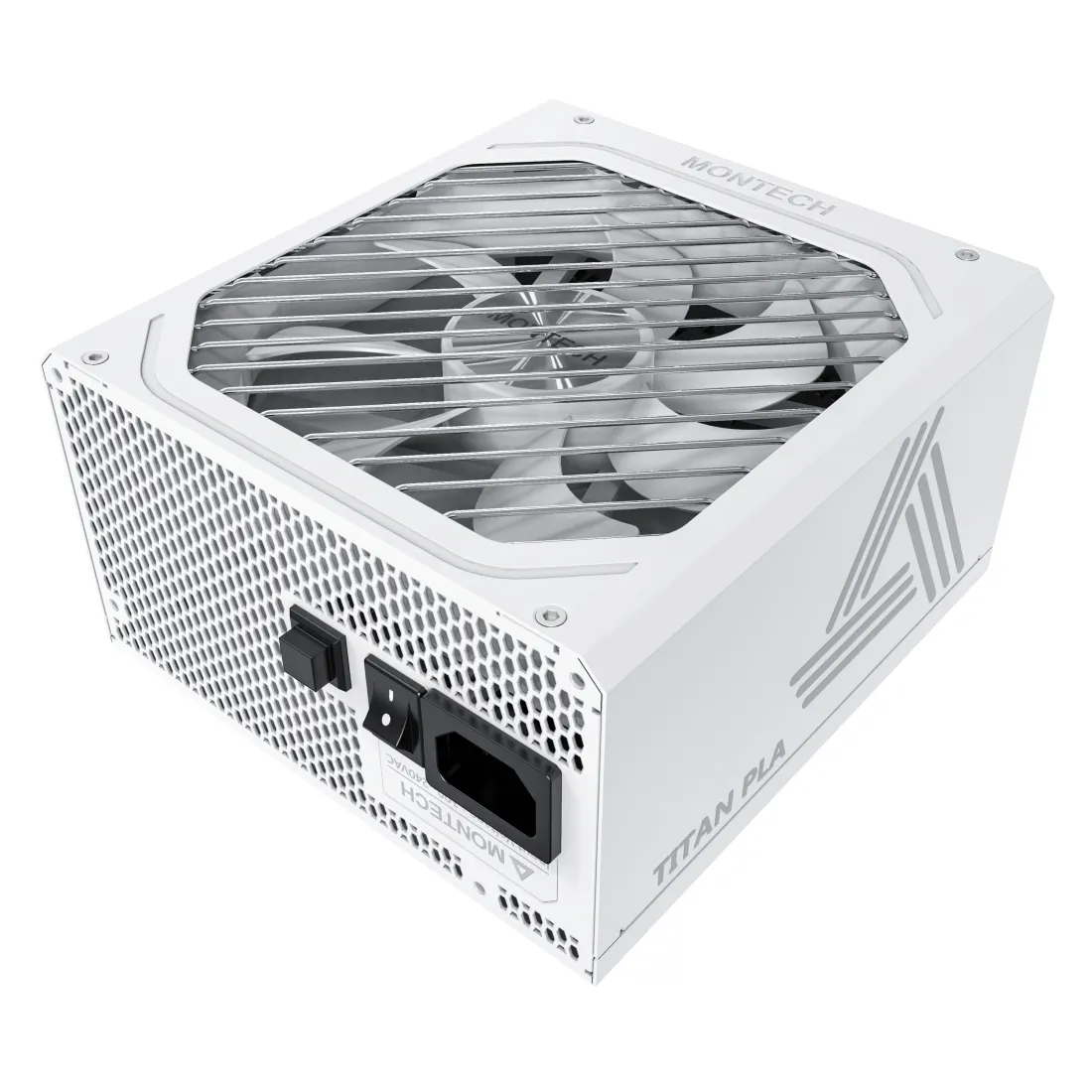


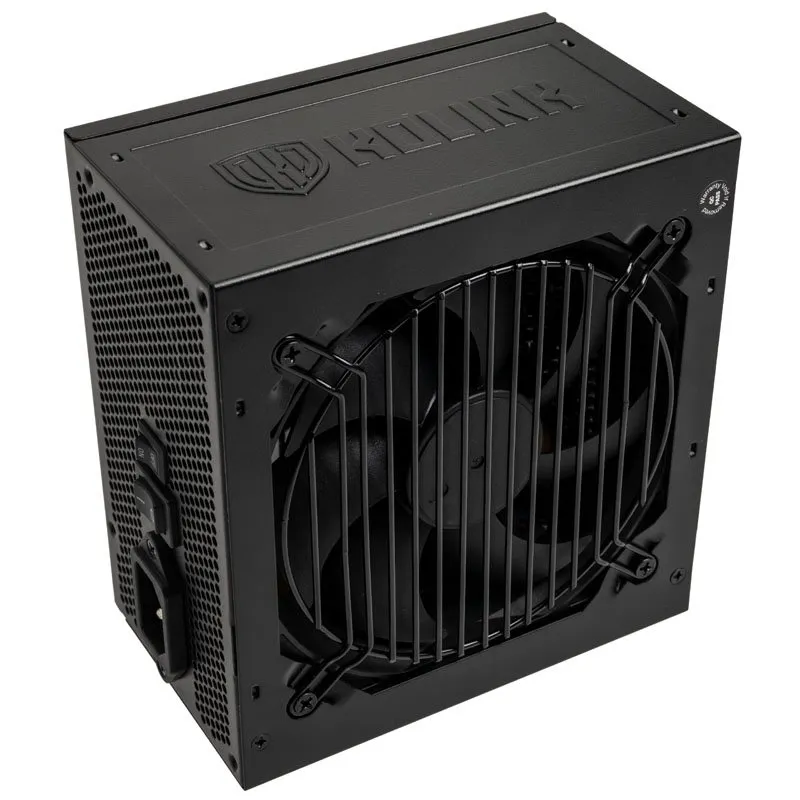
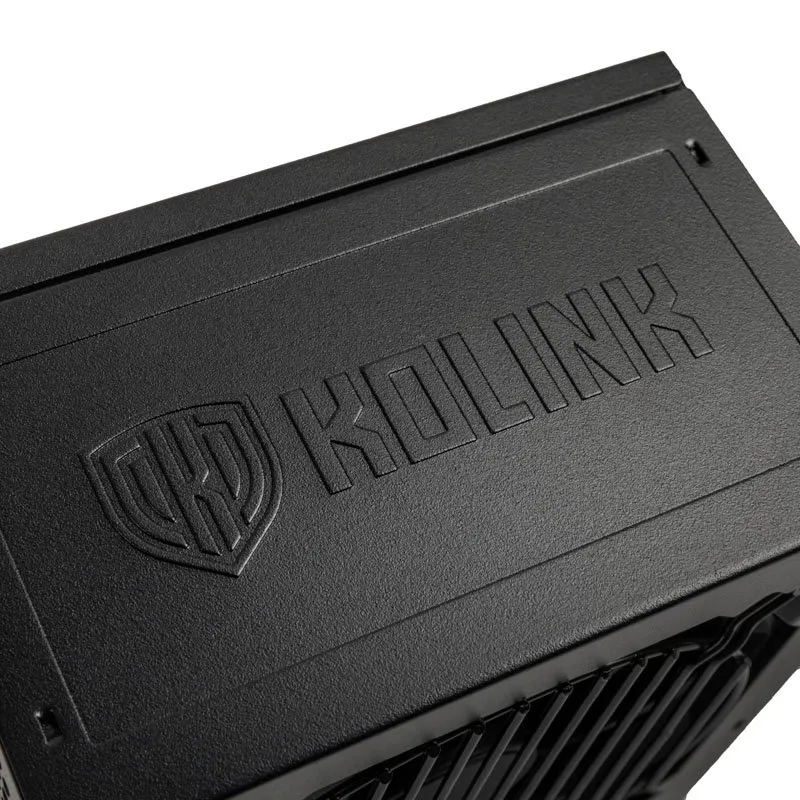
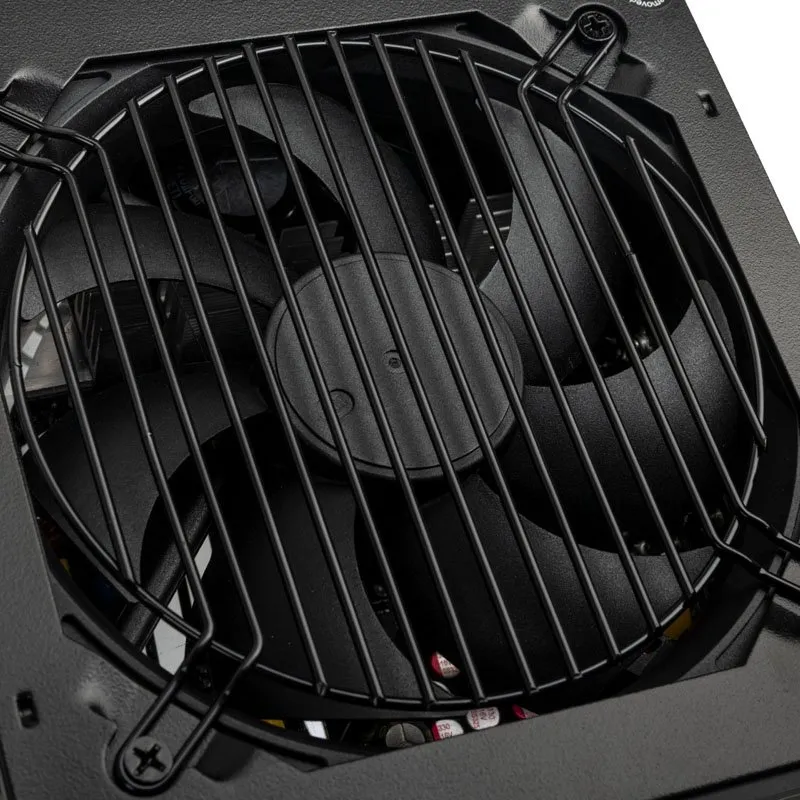
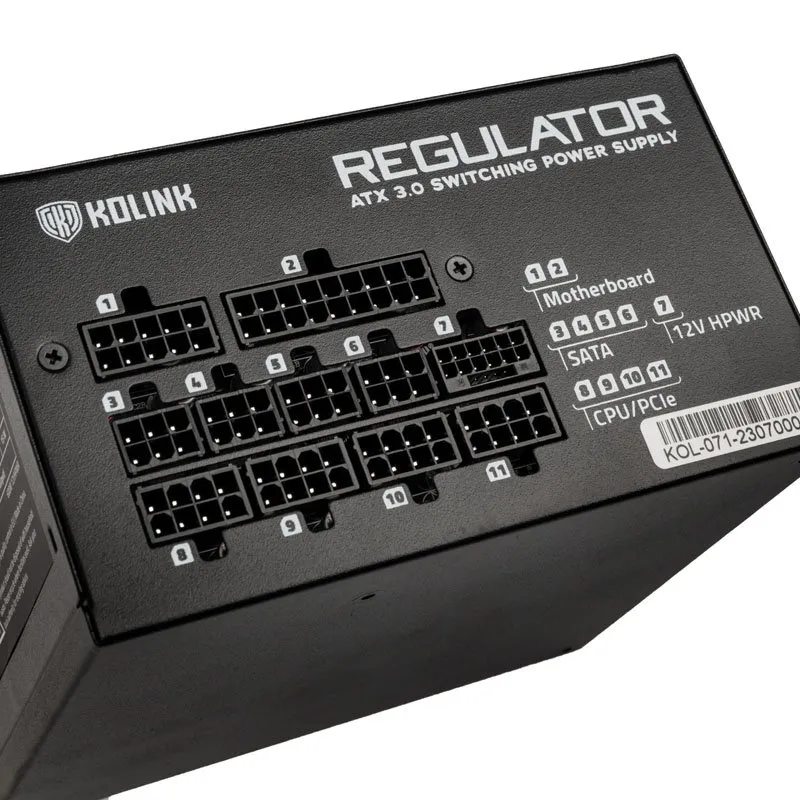
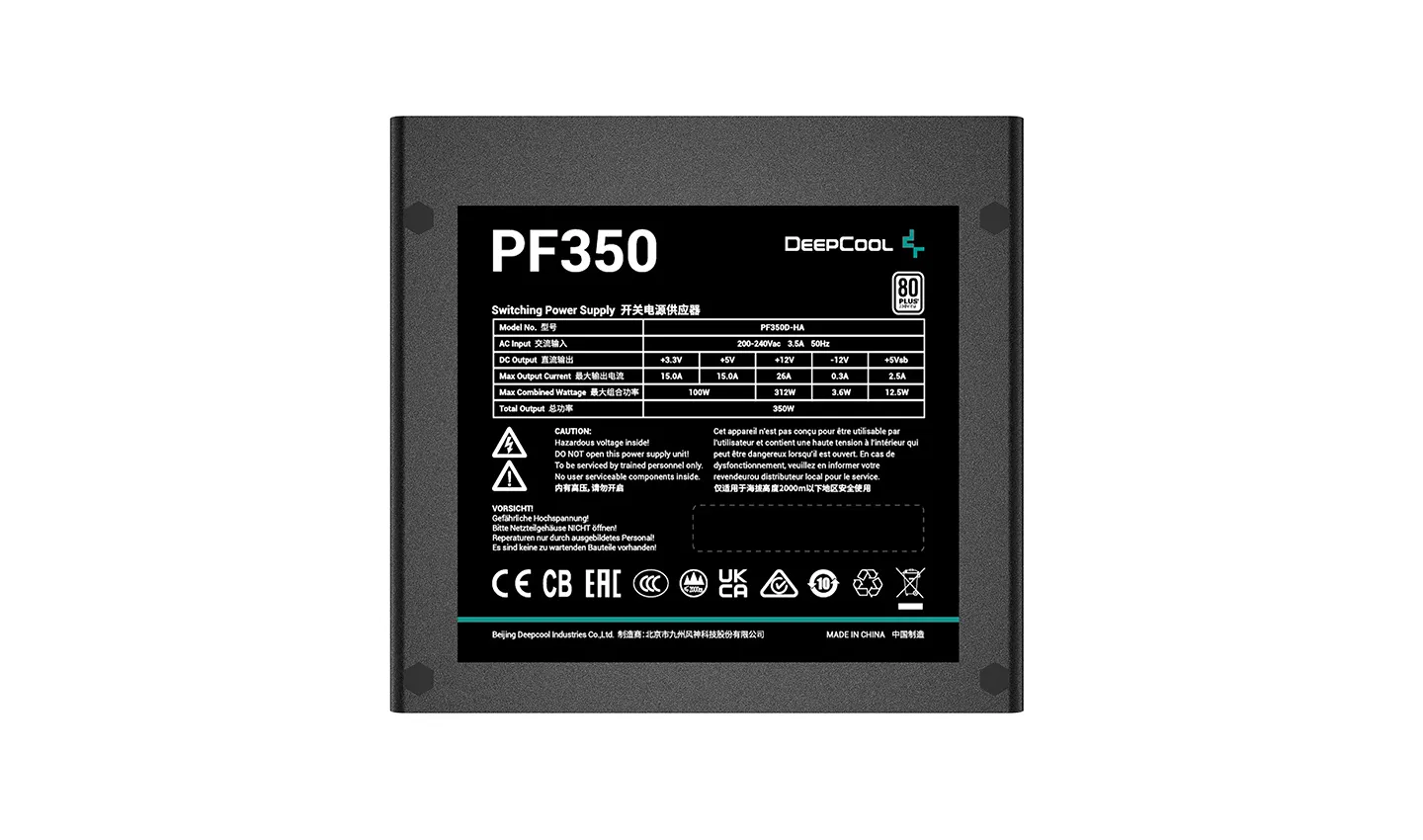





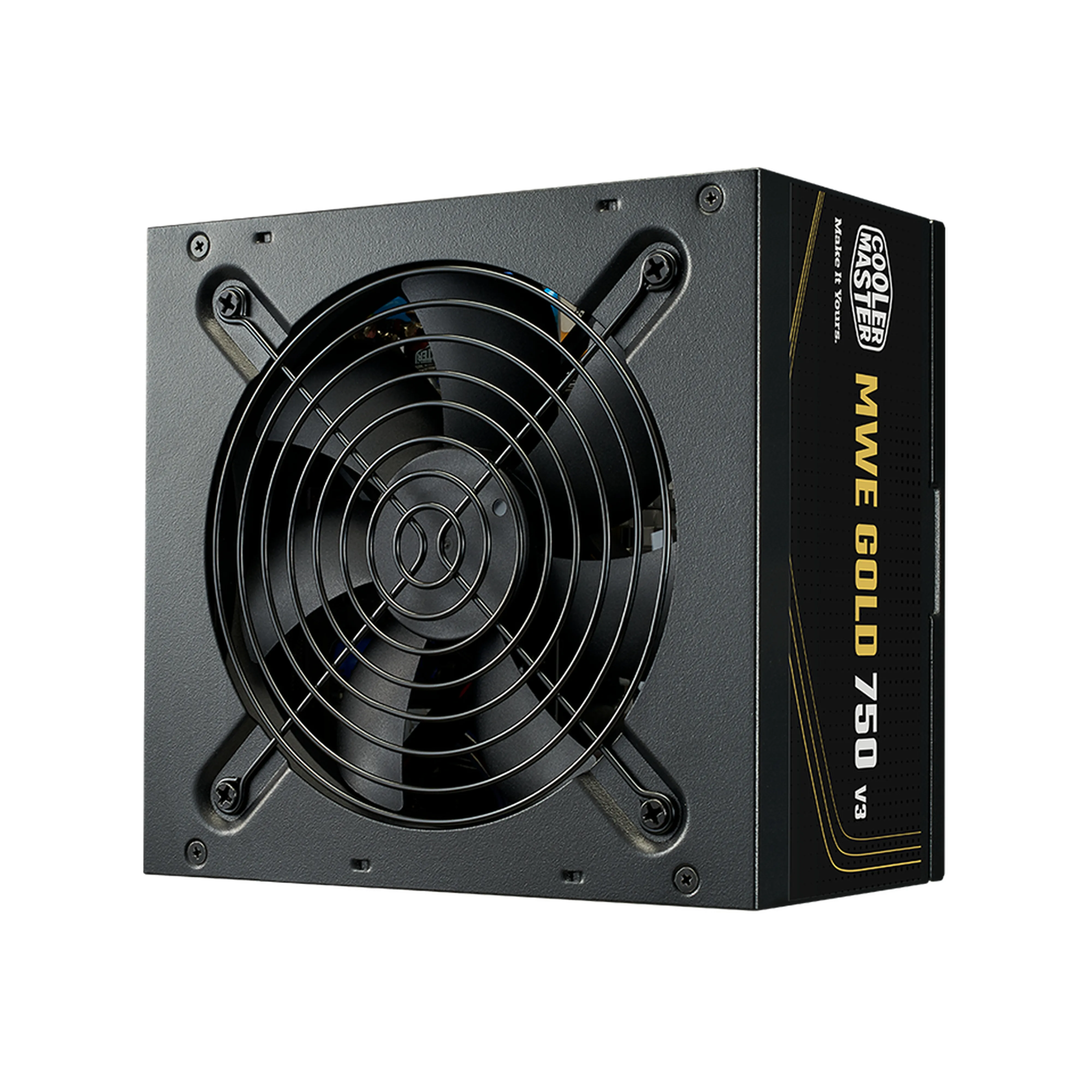
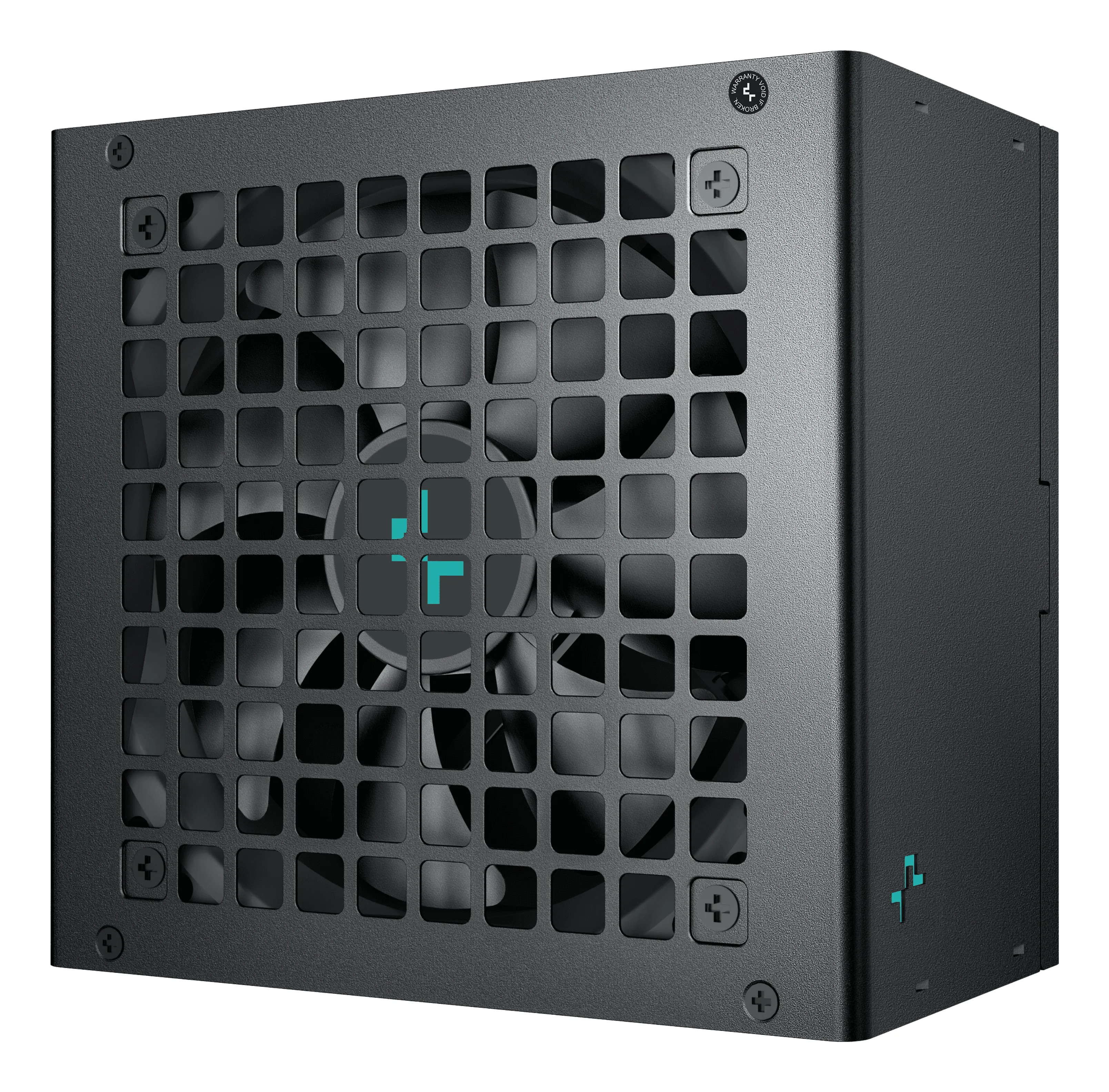
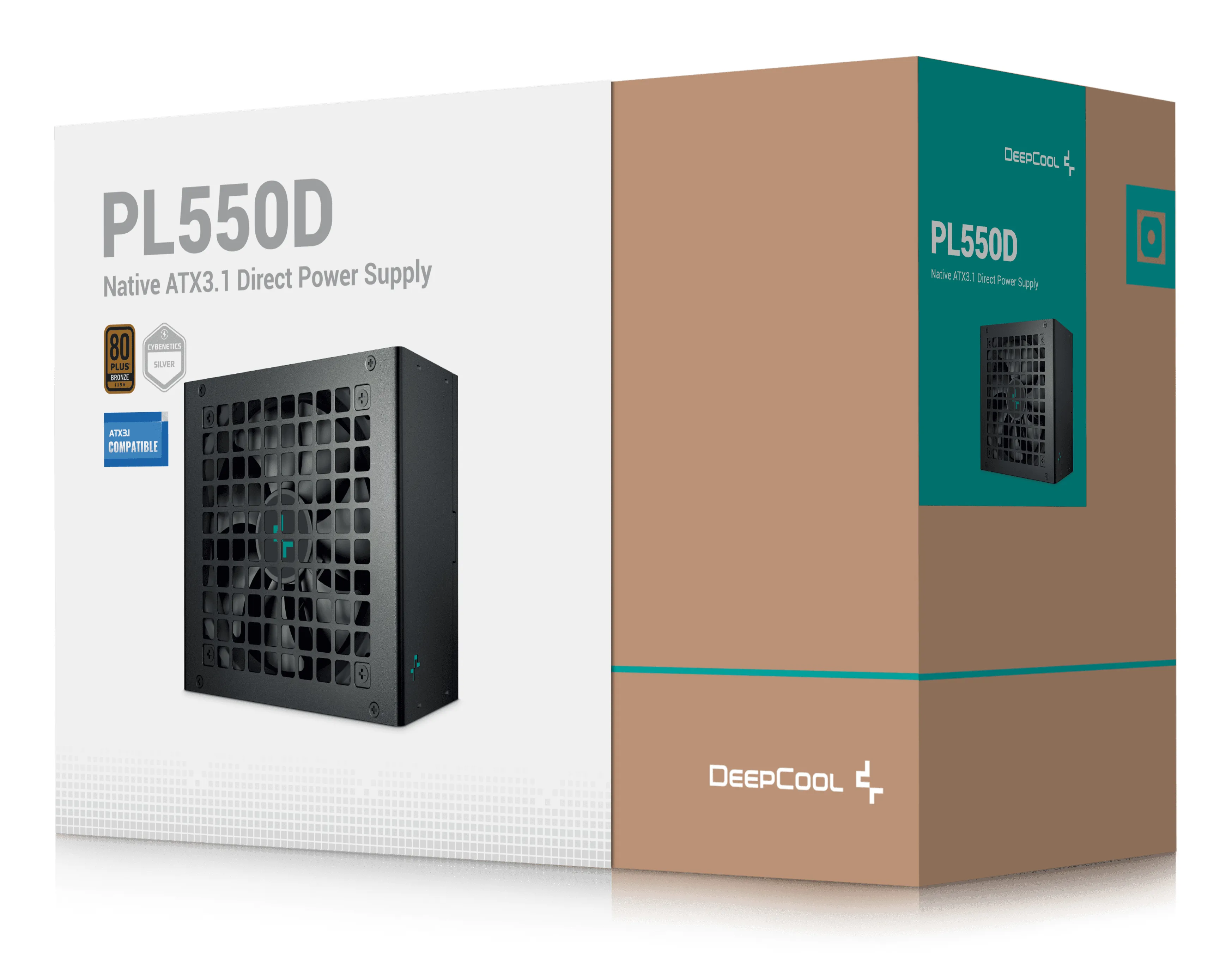
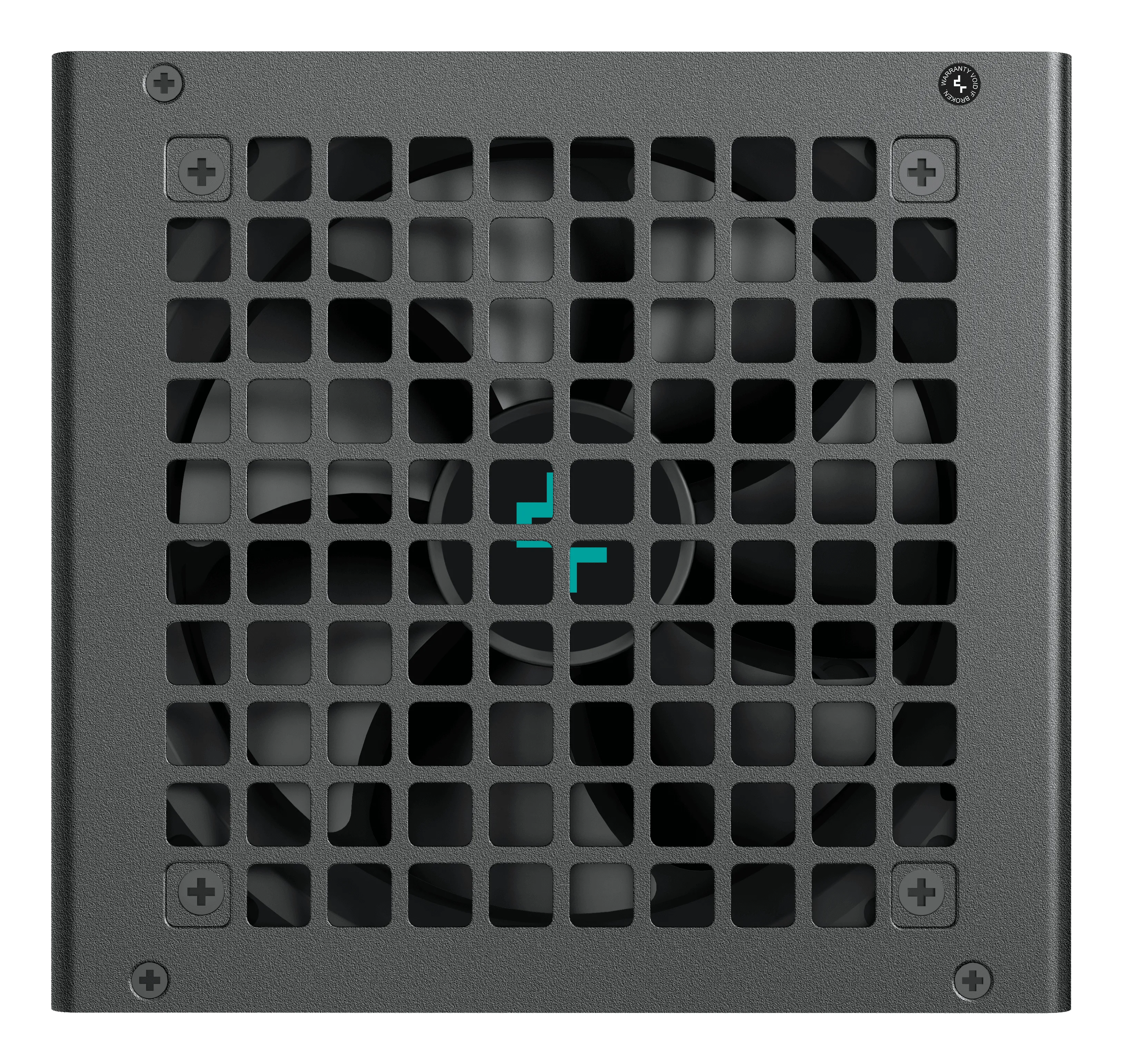
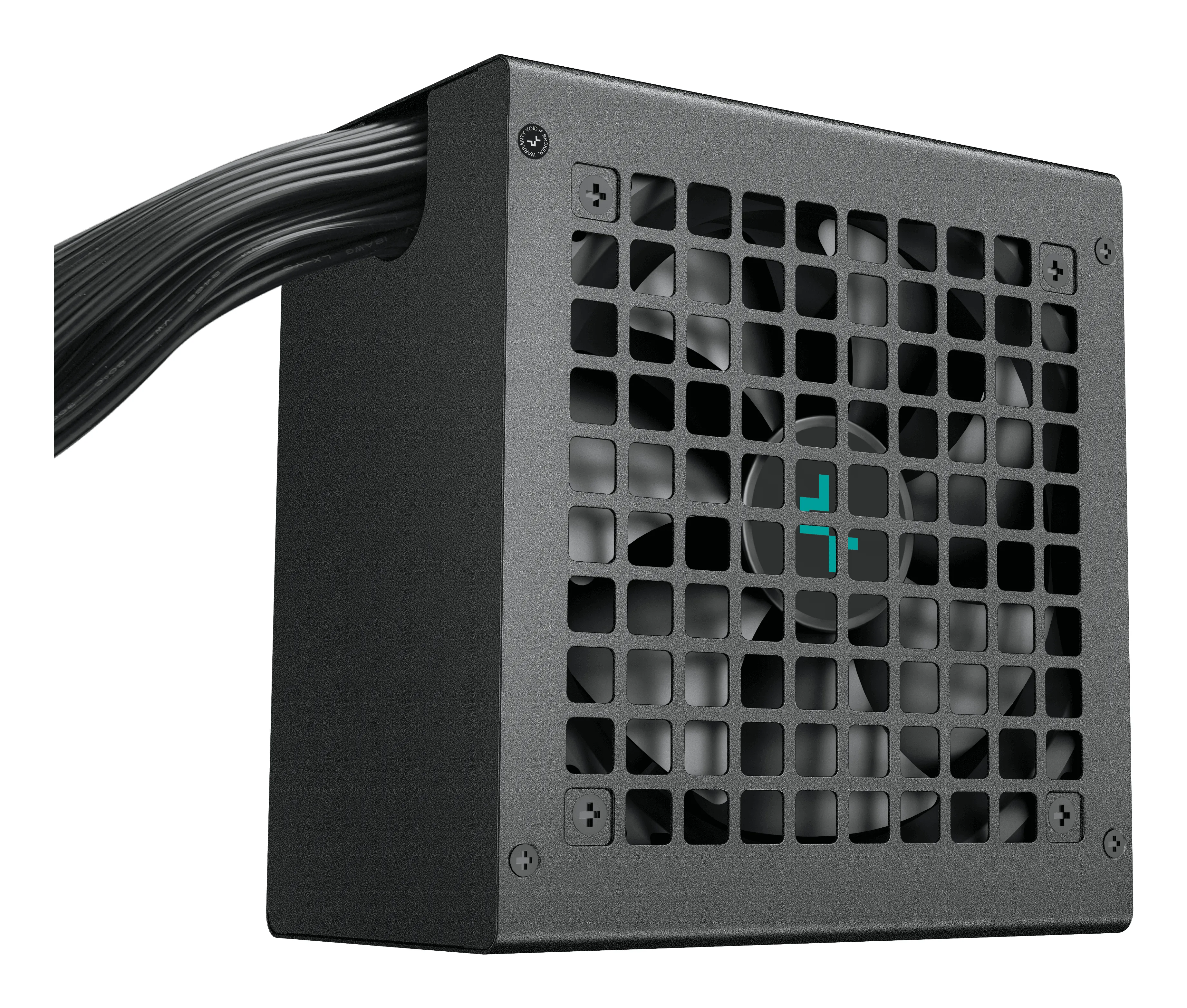


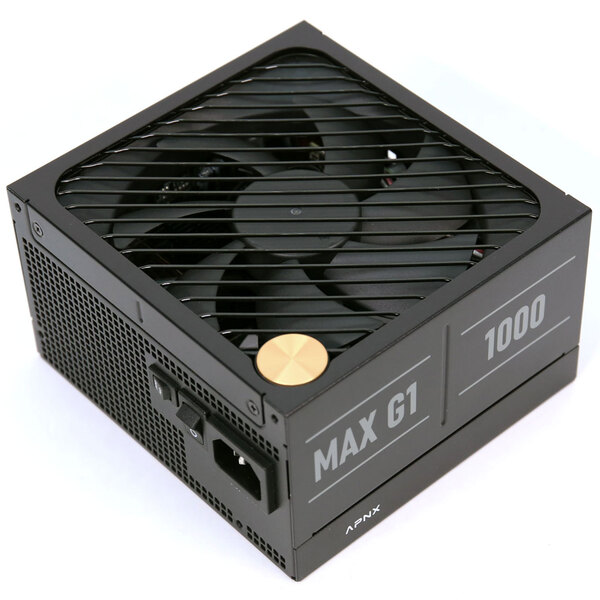
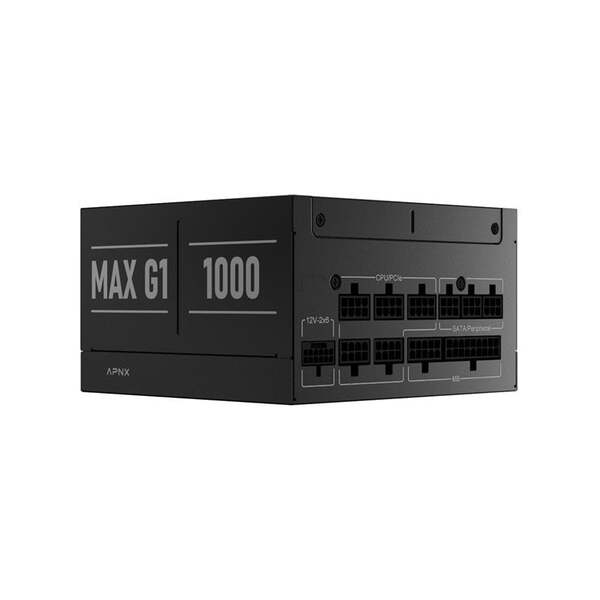




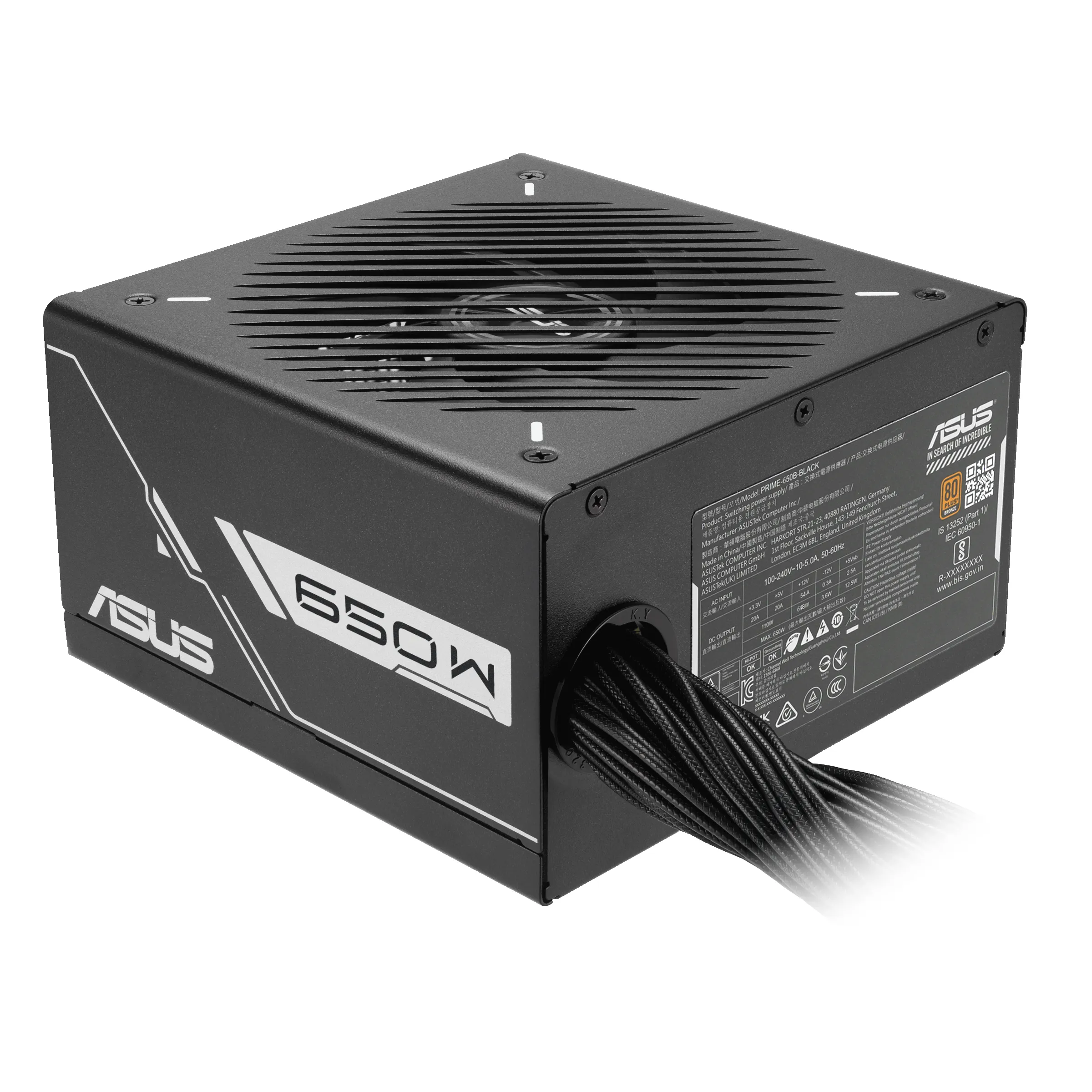
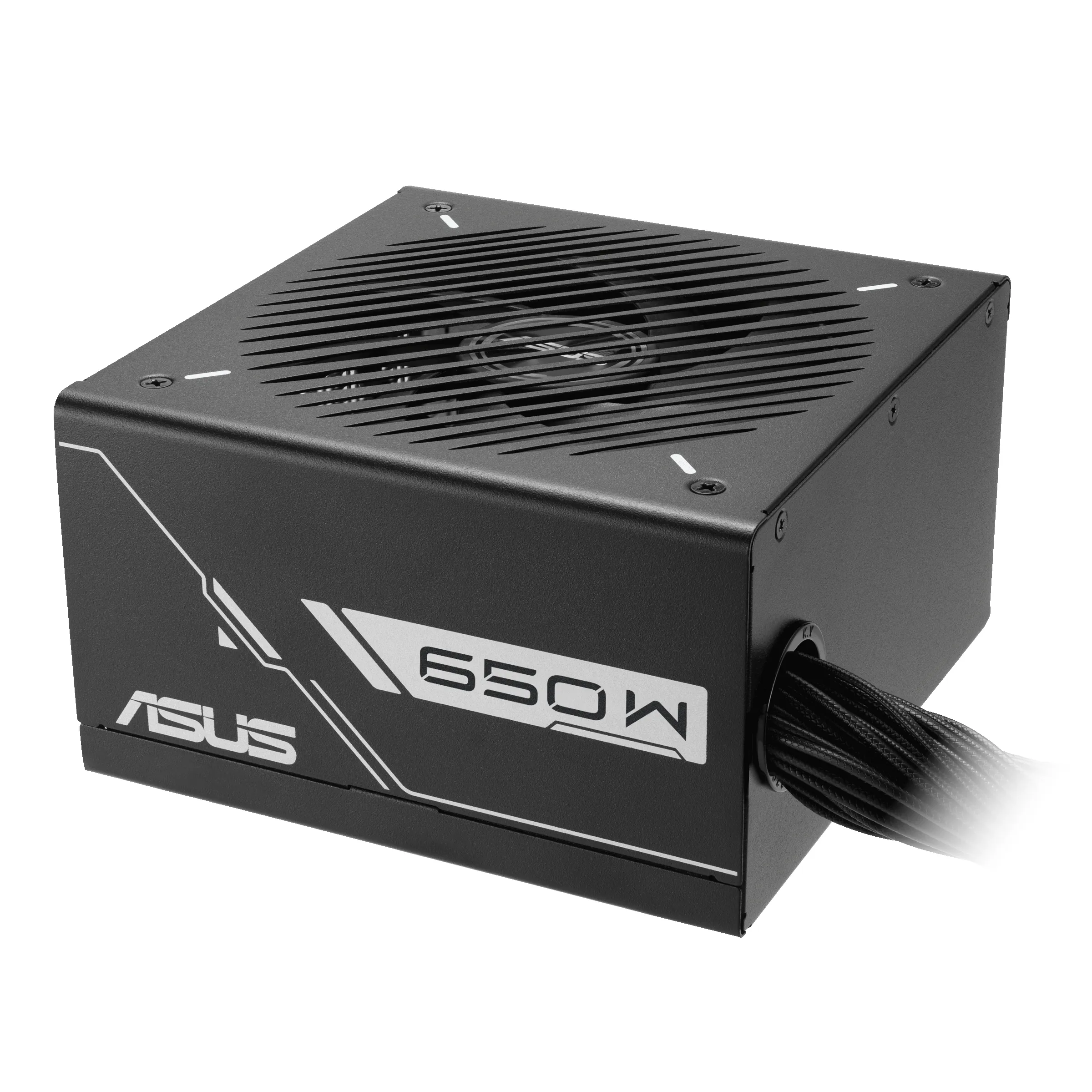
Power Supplies
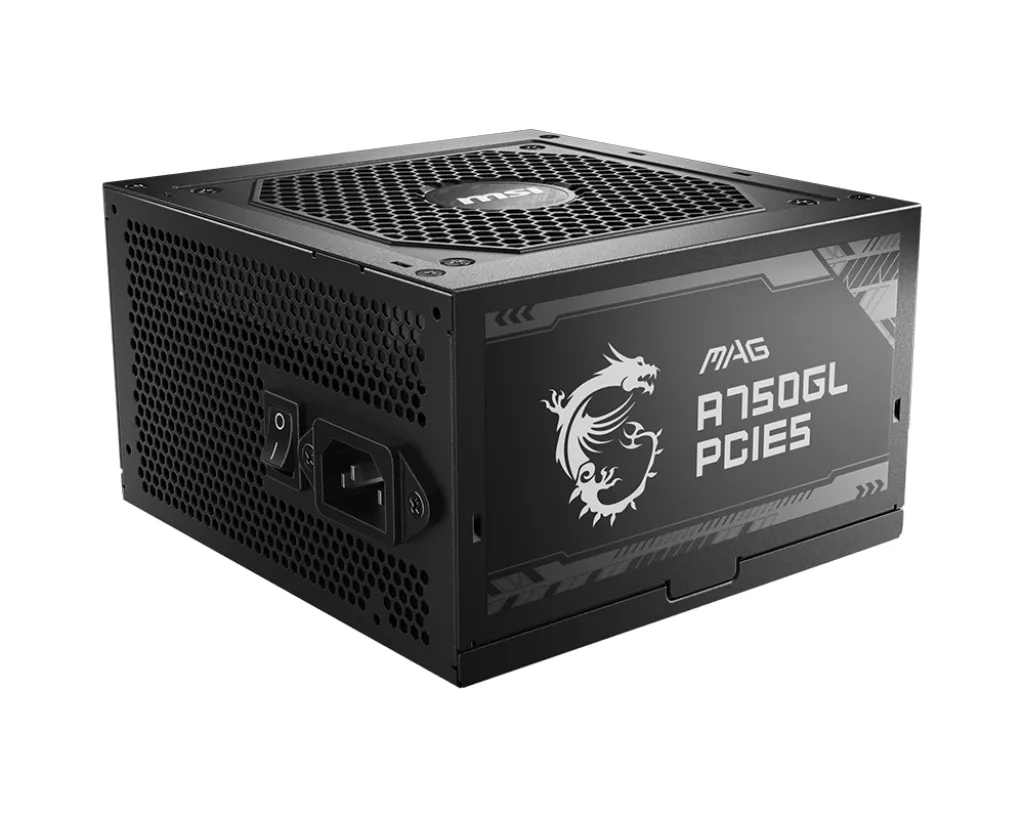
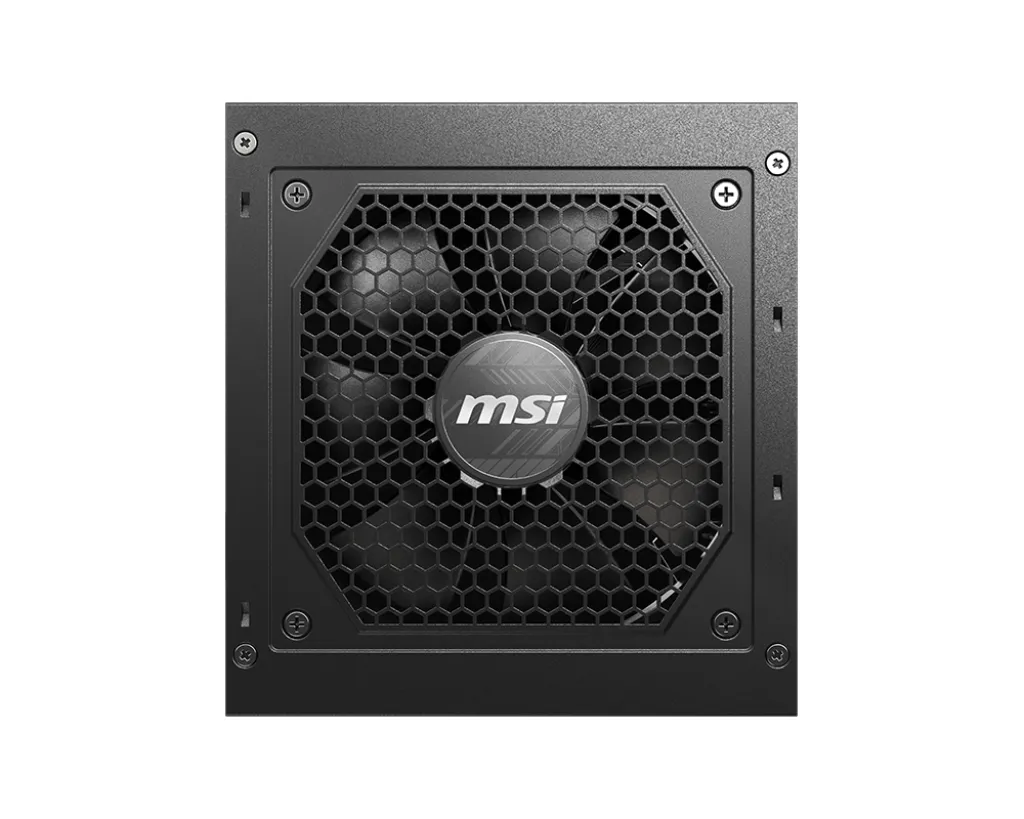
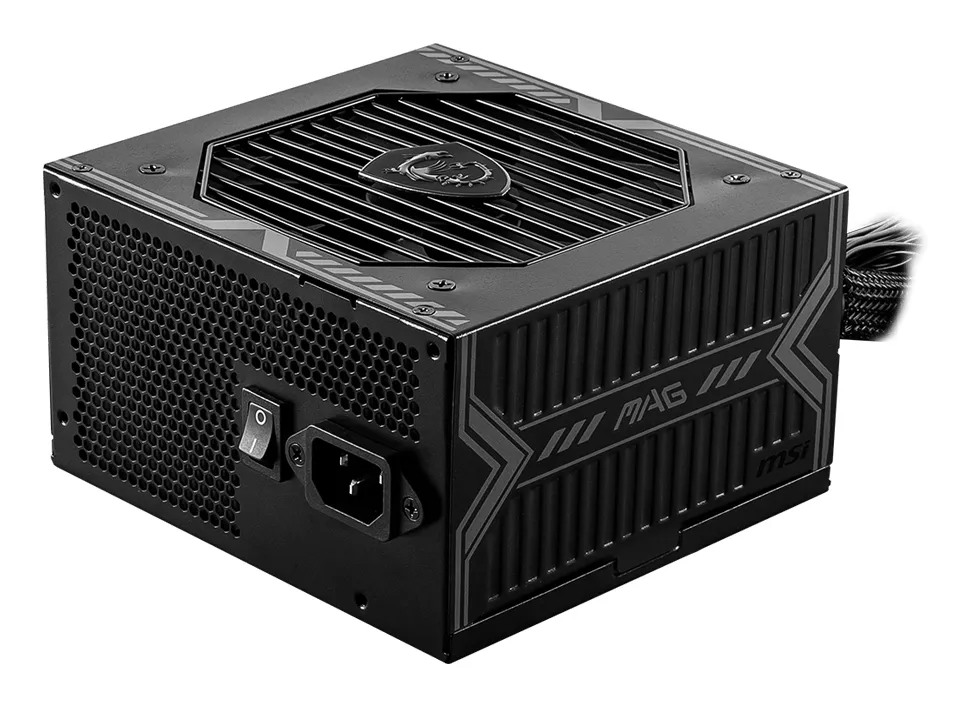
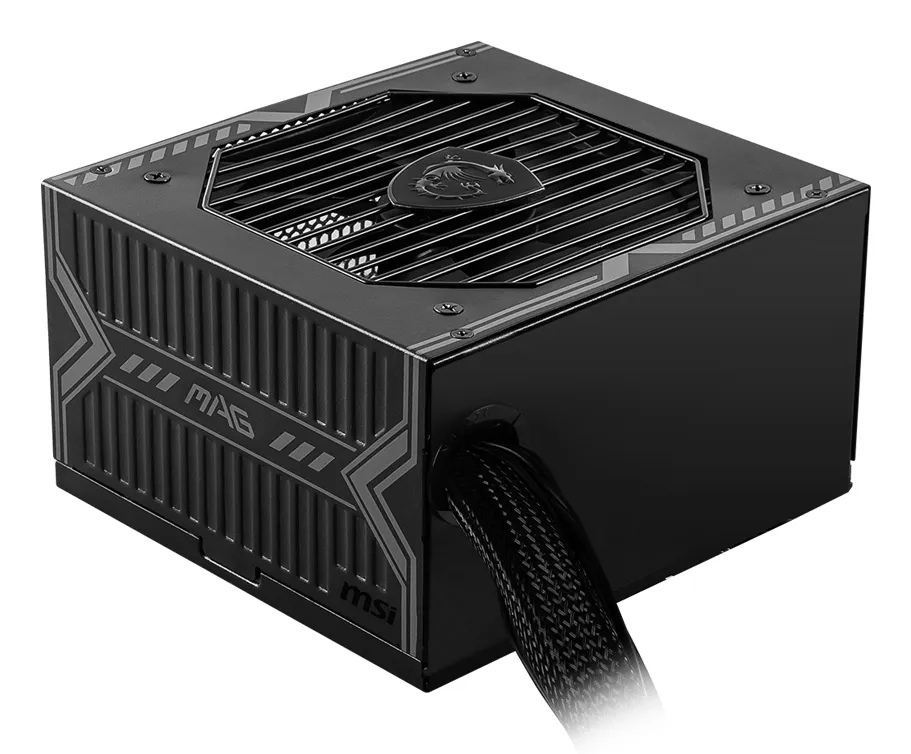
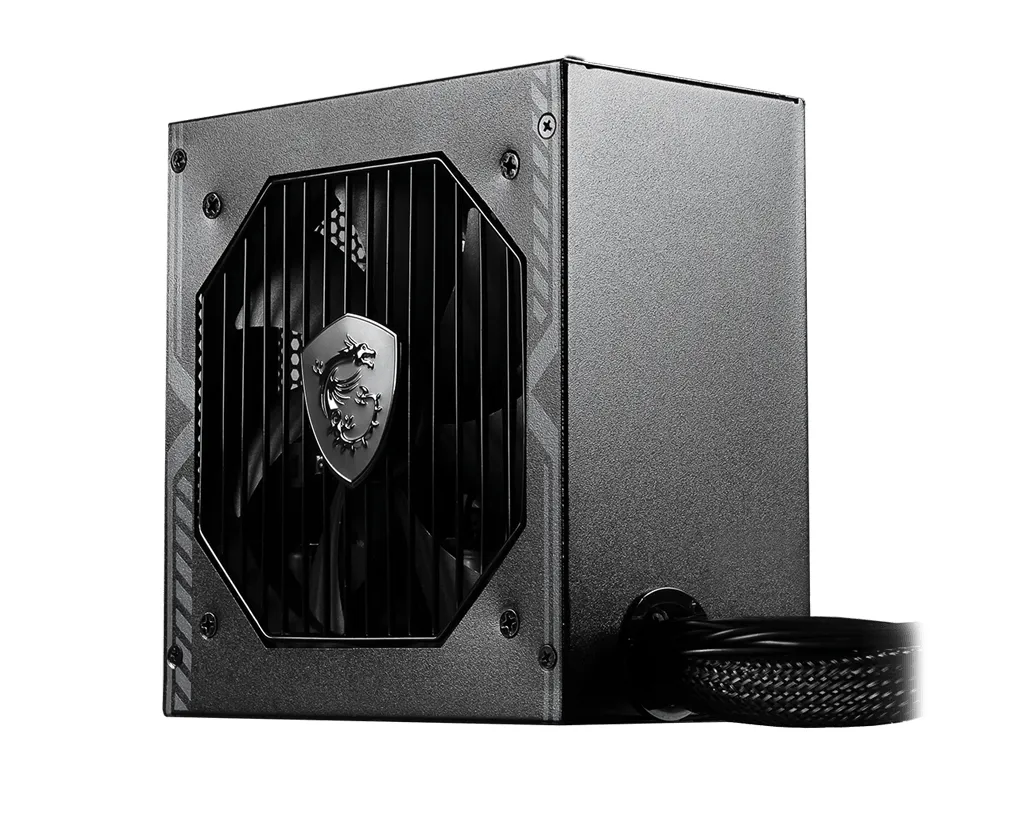
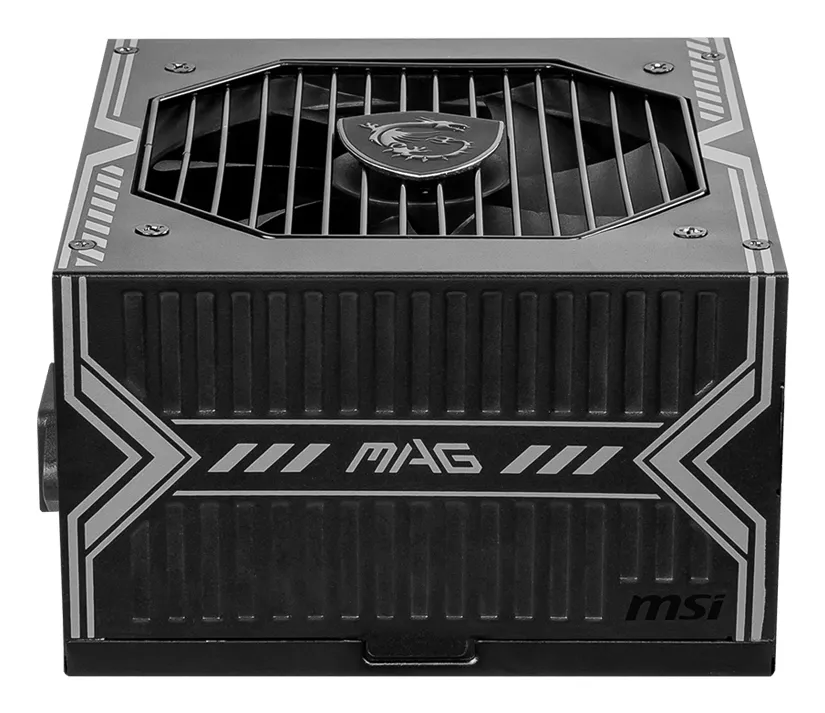
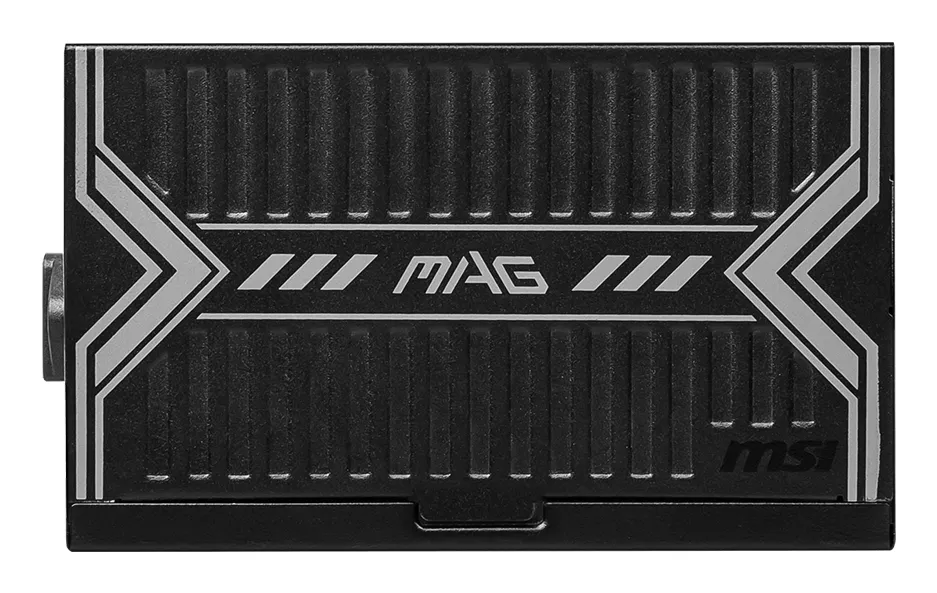
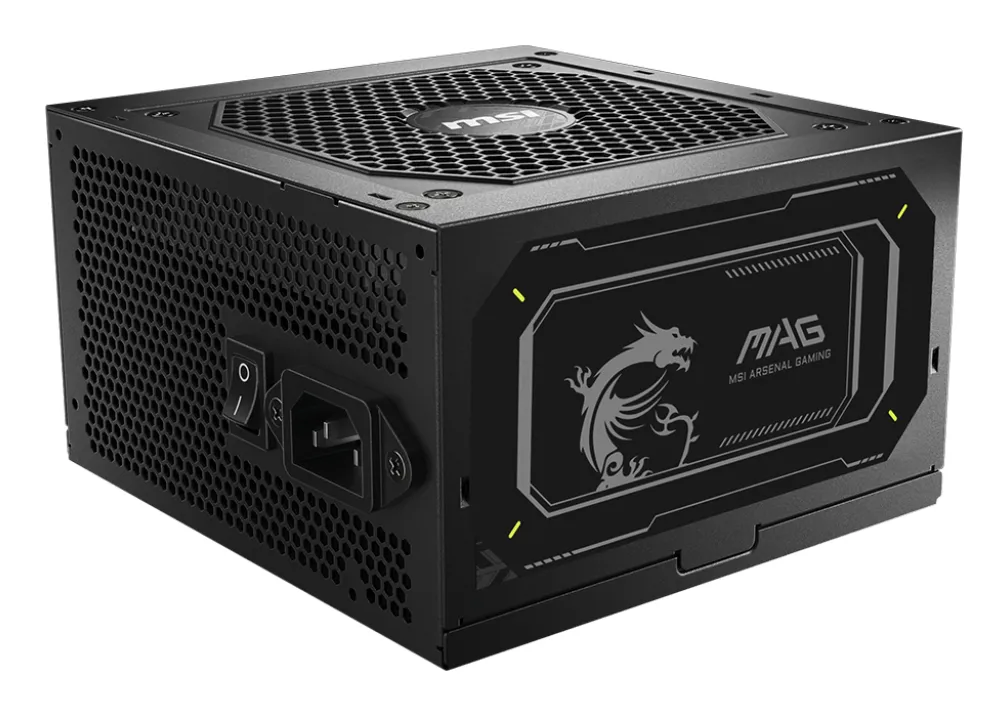
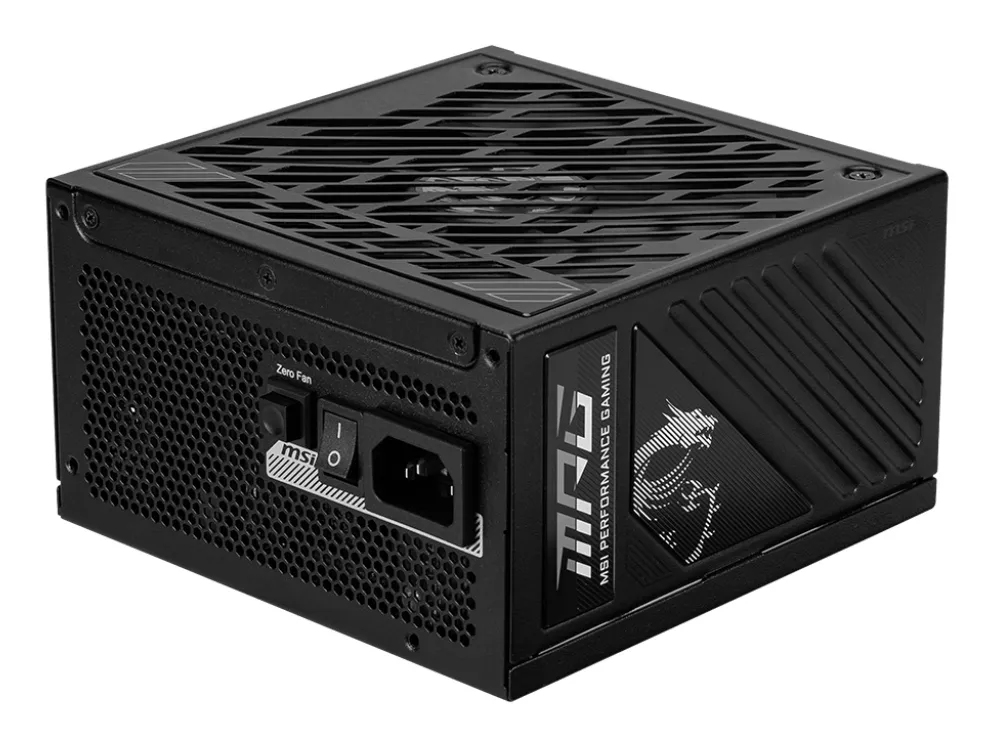
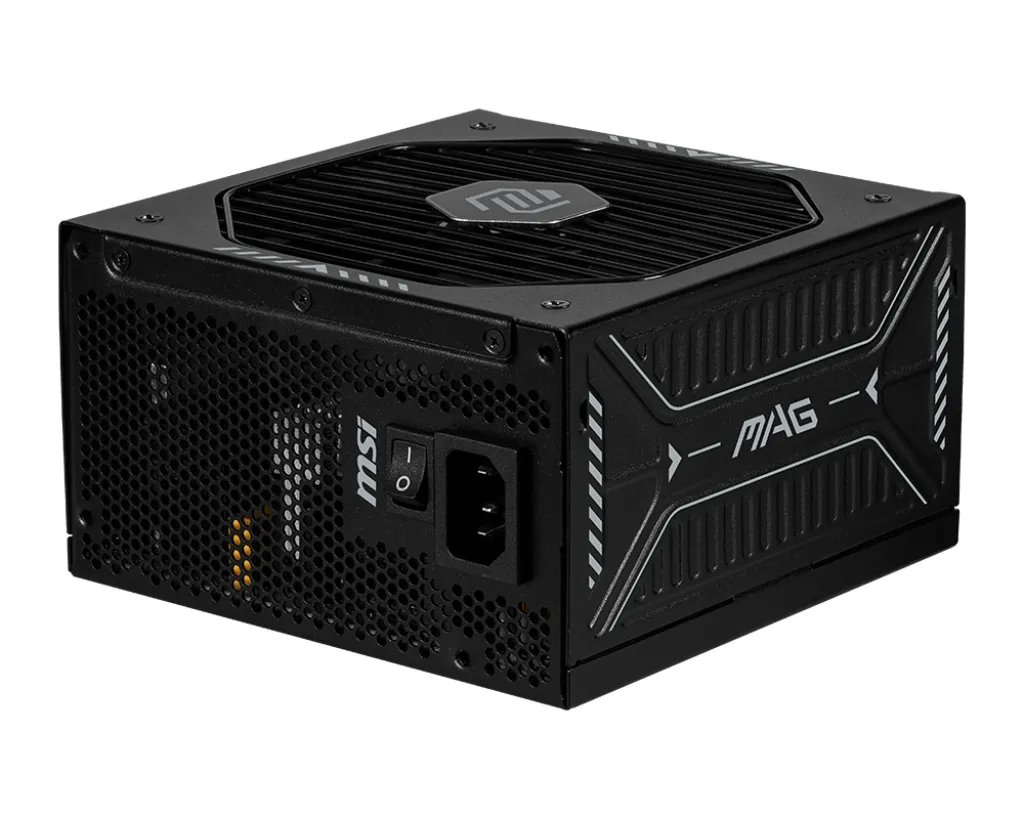
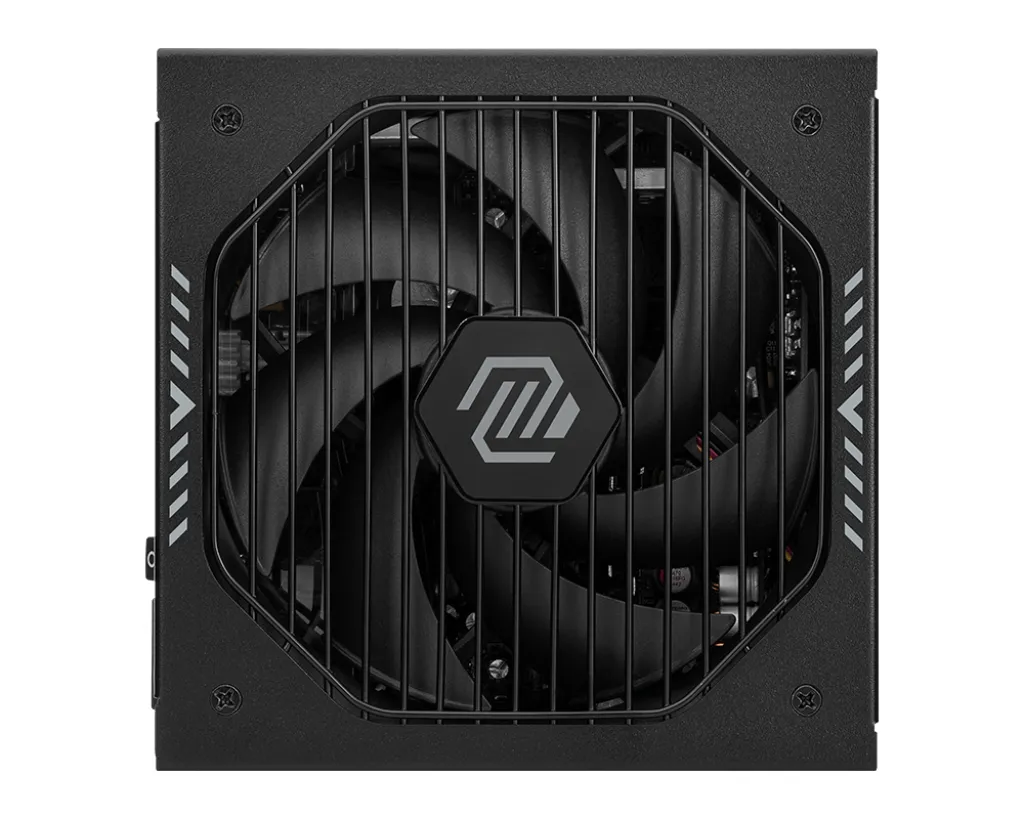
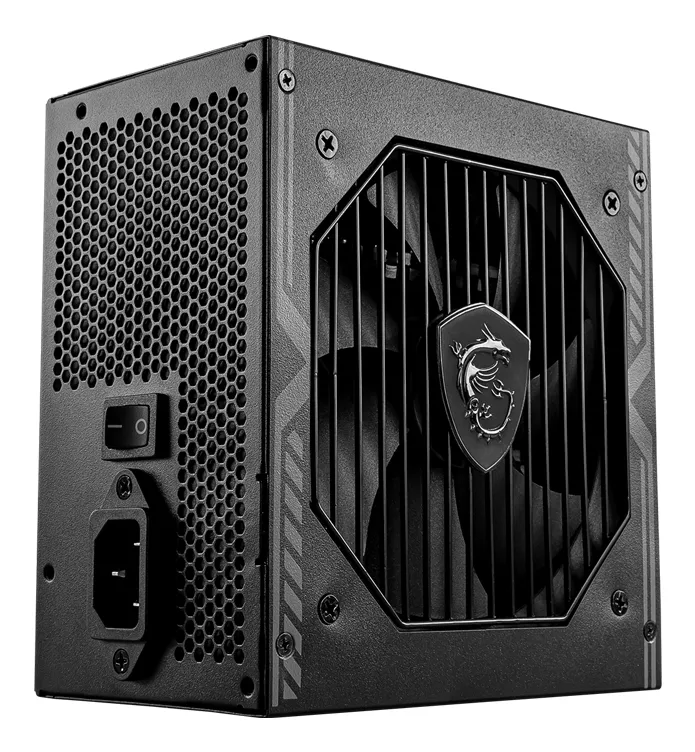
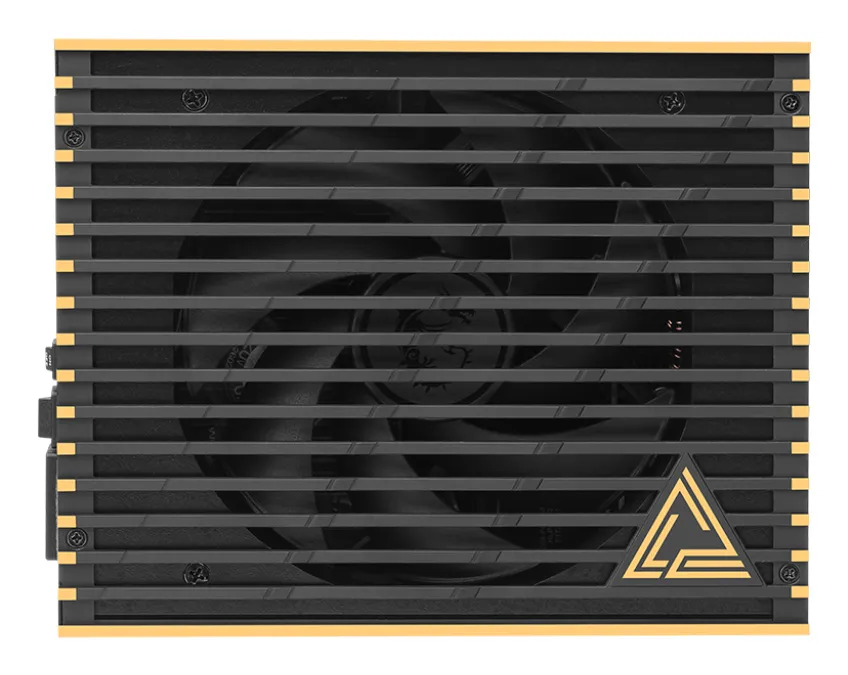
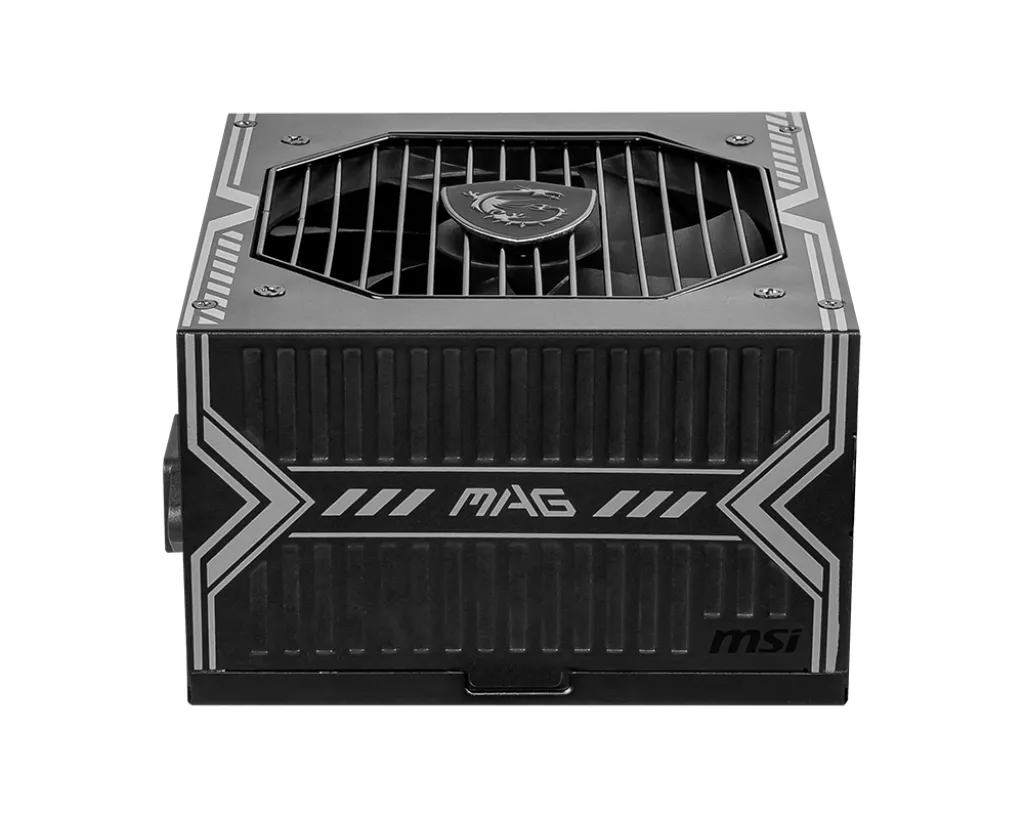
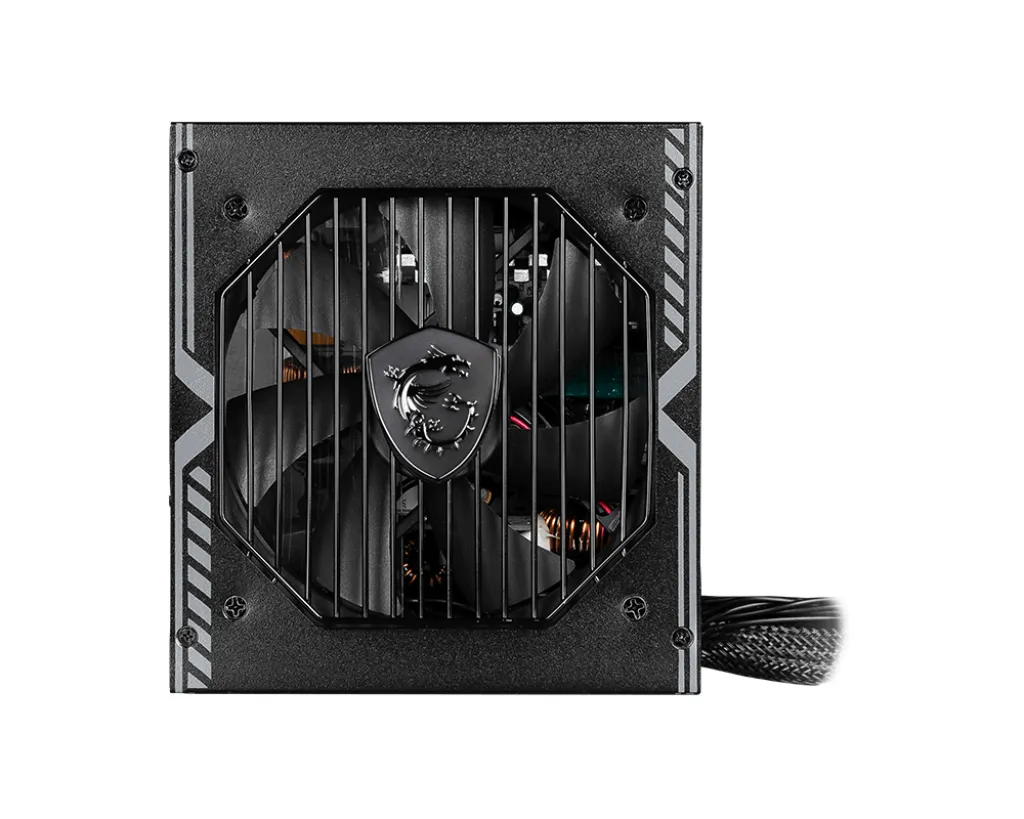
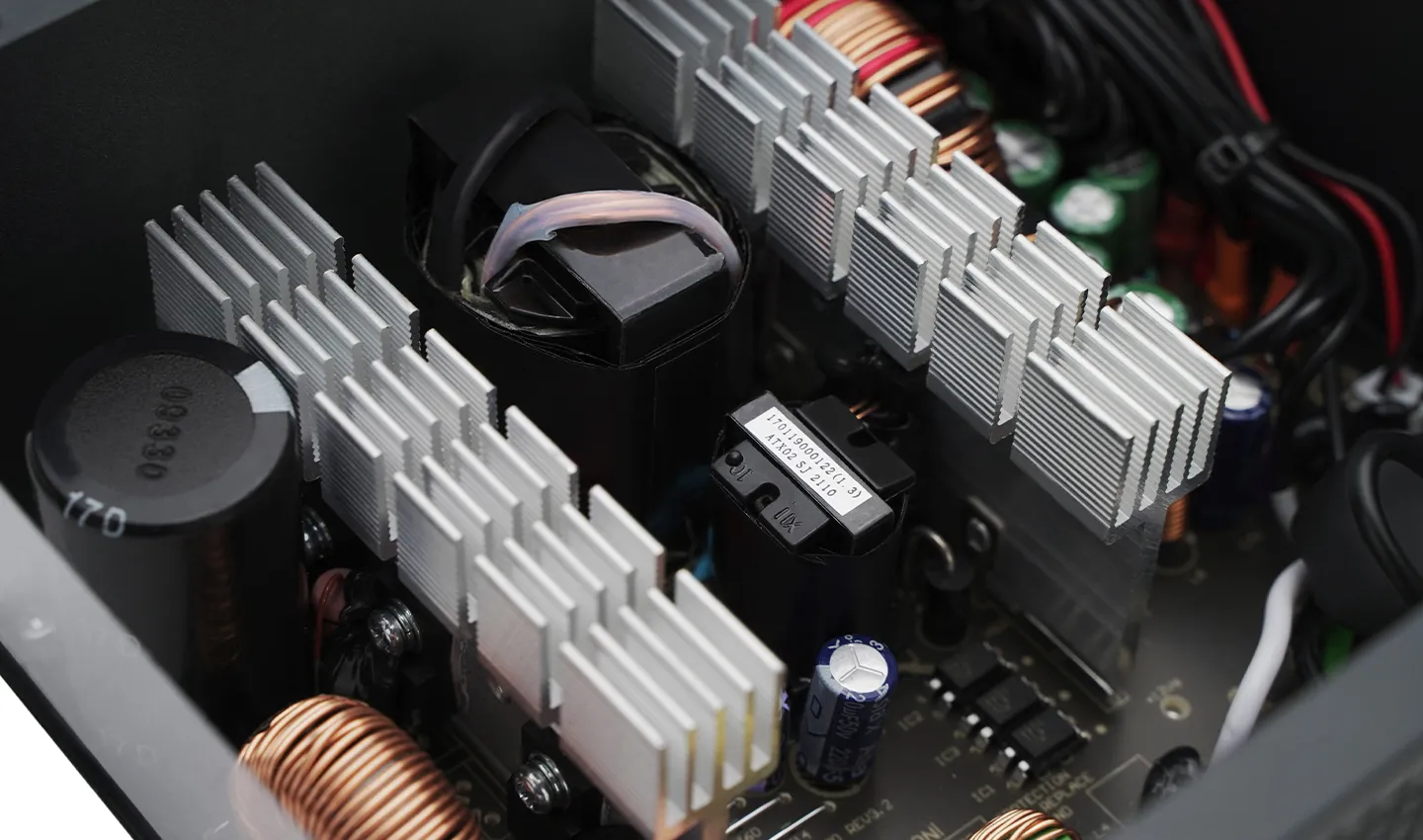
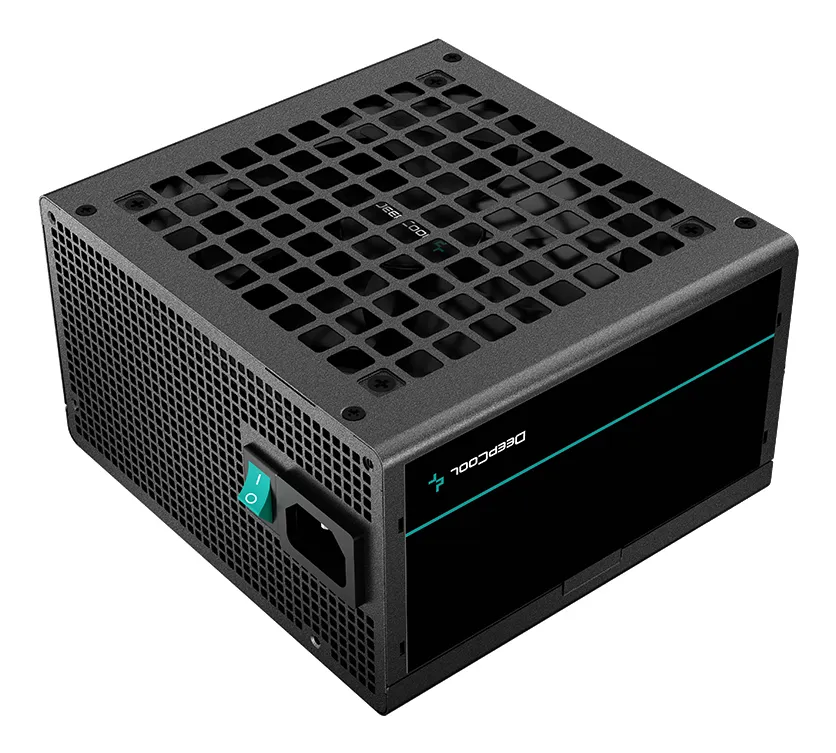
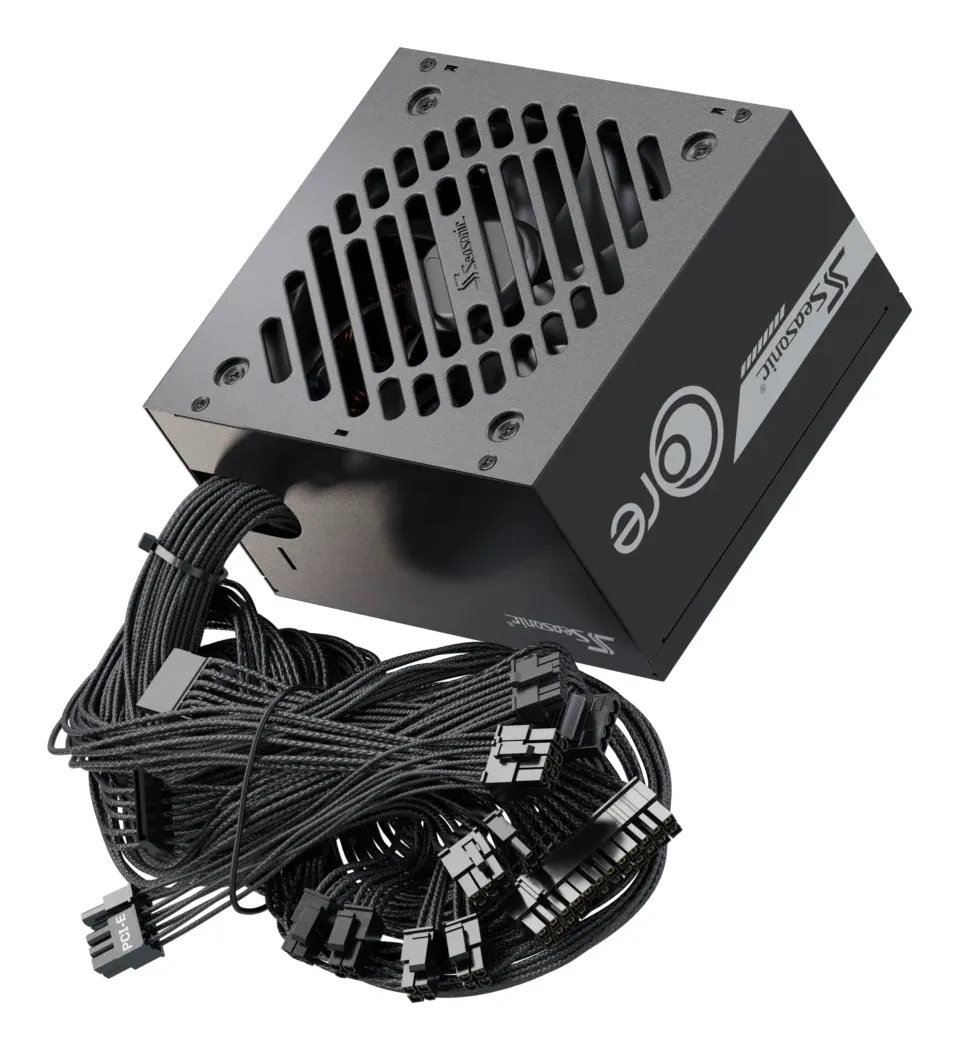
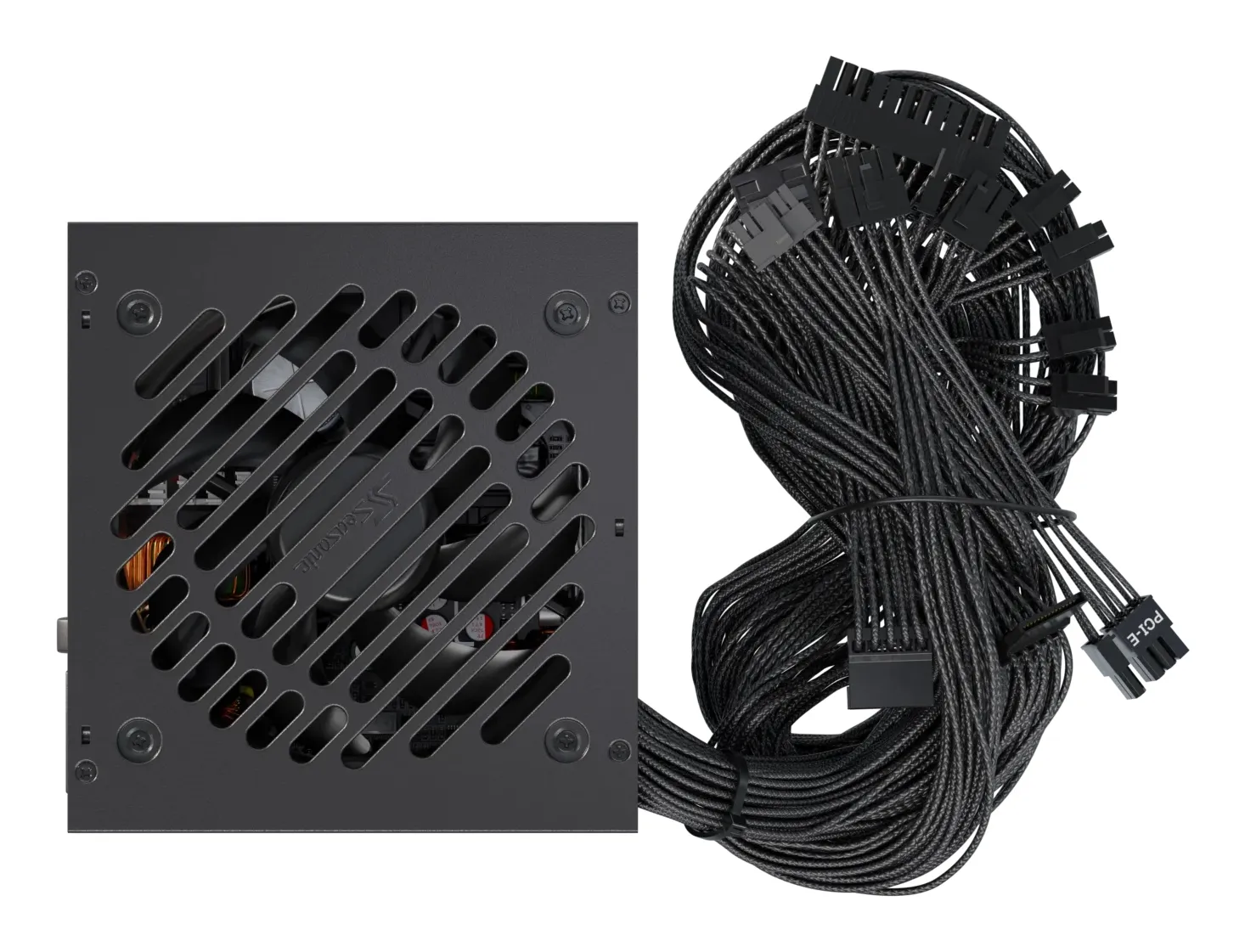
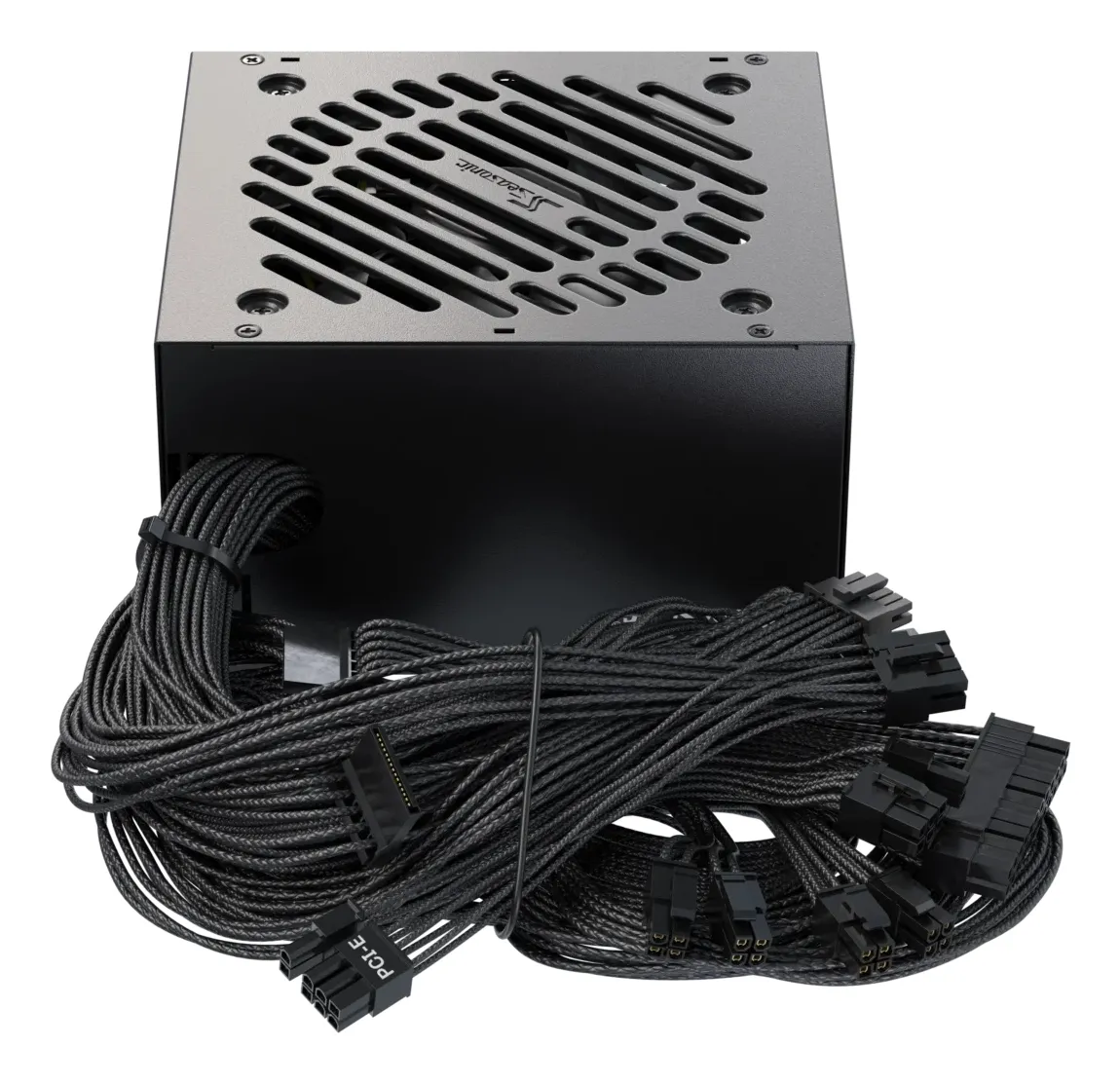
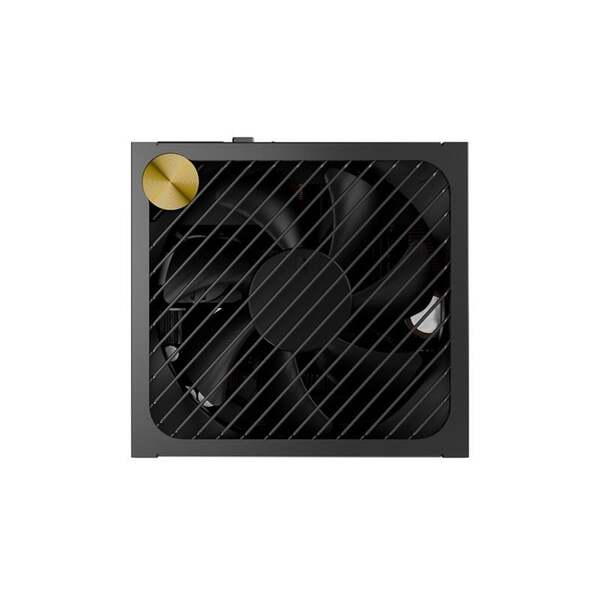
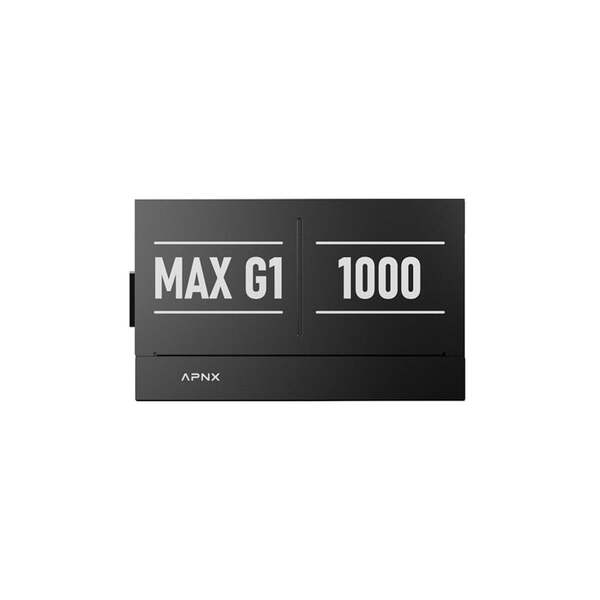
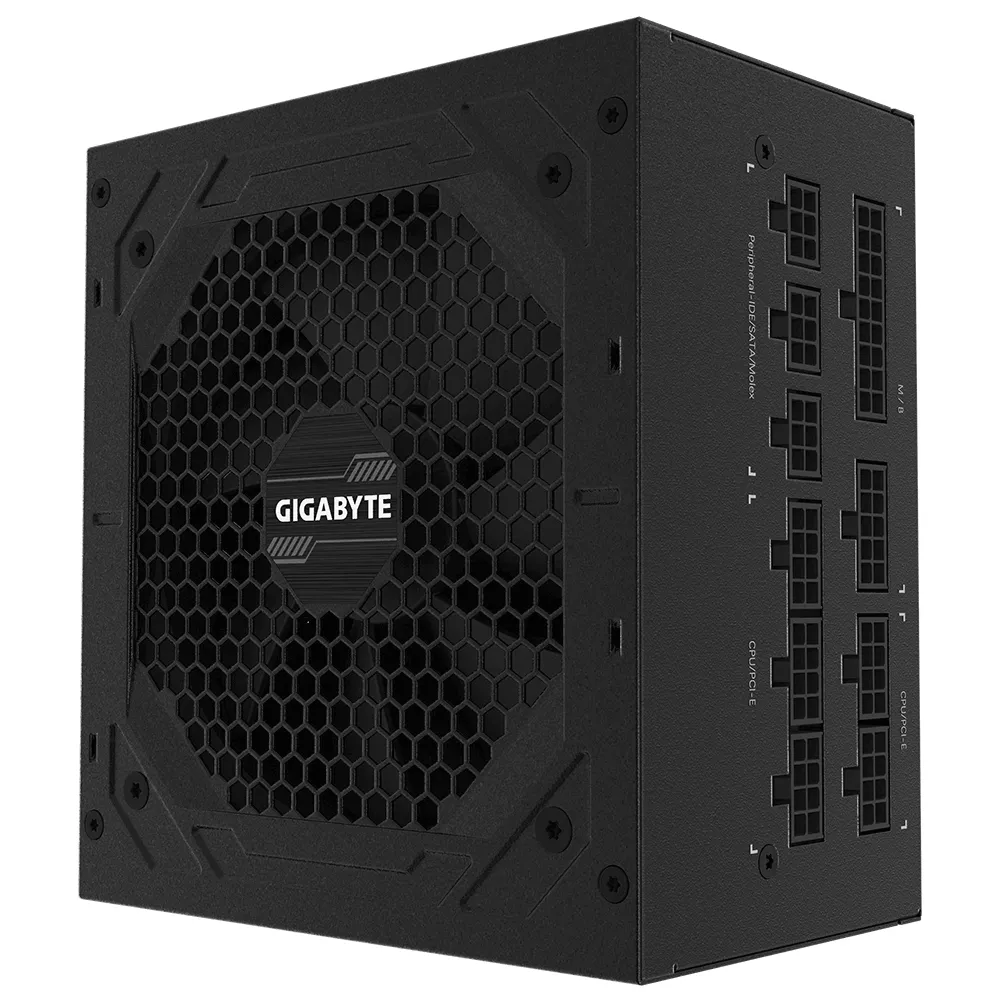
The Power Supply Unit (PSU) acts as the heart of the computer, ensuring that every component receives exactly the right amount of power to operate stably. It converts the electricity from the wall outlet into a form suitable for the computer's sensitive parts. The PSU is the most critical component for system safety, as a high-quality unit serves as a protective barrier, safeguarding expensive components from power grid interference and voltage fluctuations. Its selection determines how powerful the components in the build can be and how energy-efficiently the system operates.
How to choose the right power supply?
When selecting a power supply, the following features should be evaluated relative to the total power draw of the build:
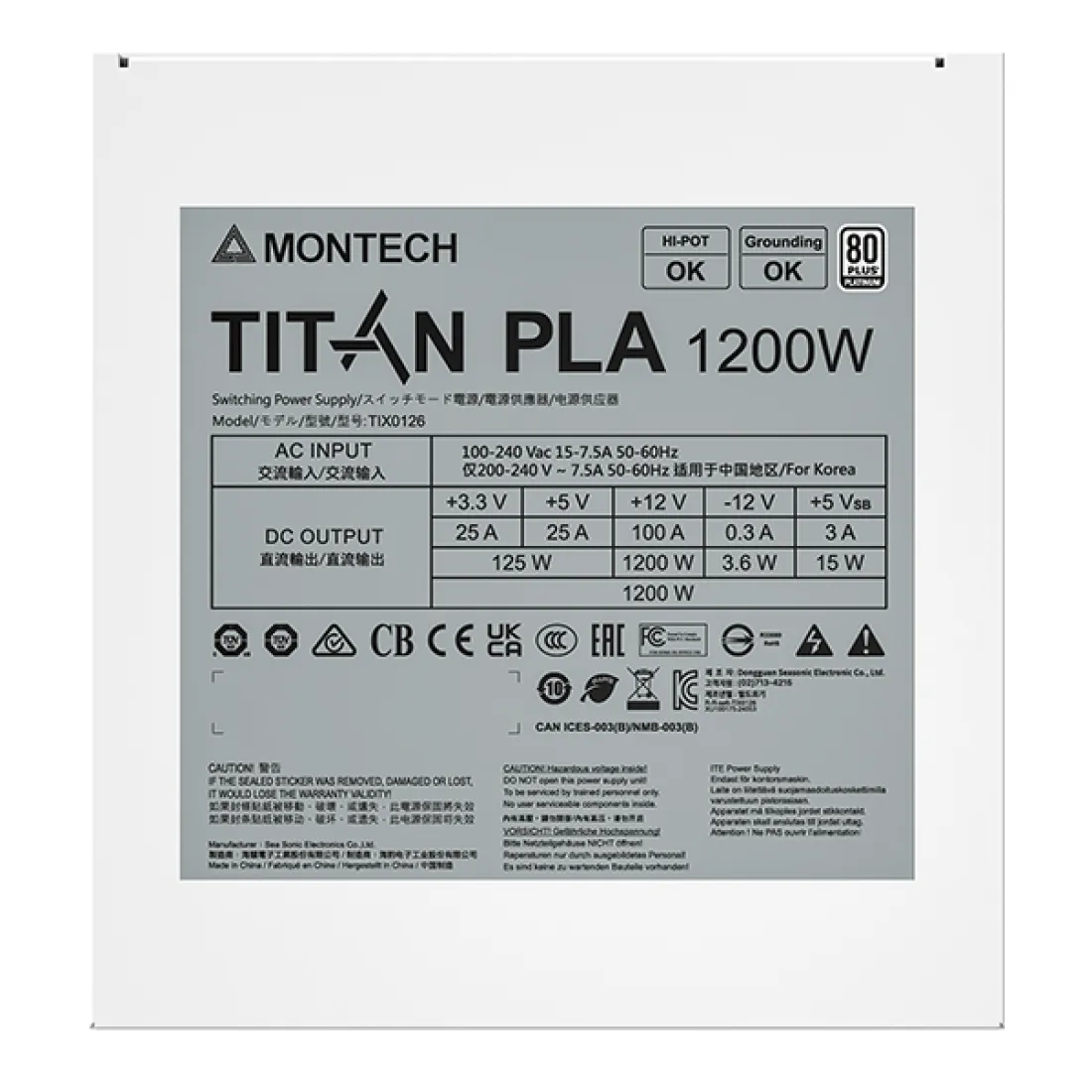
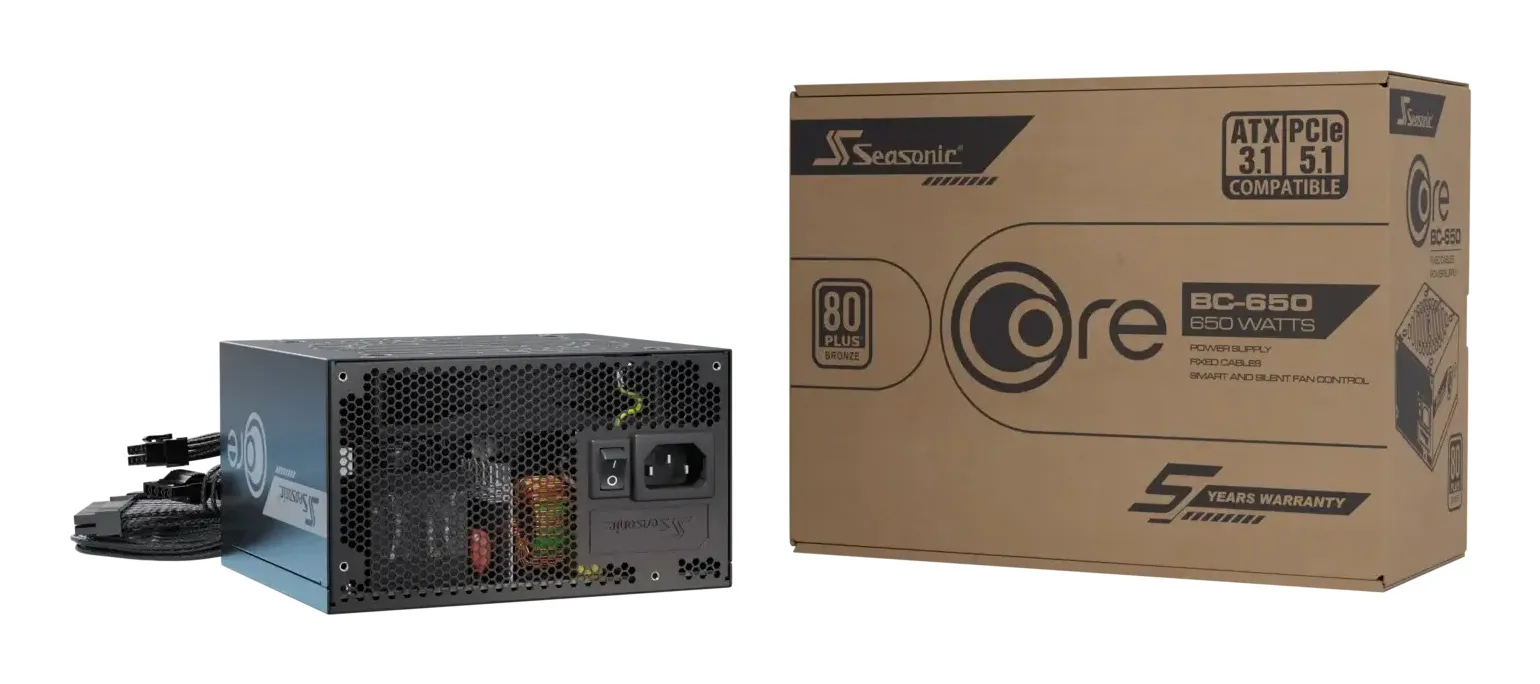
- Rated Wattage (W): The wattage rating indicates how much power the PSU can deliver to components under continuous load. It is recommended to choose a model with a capacity that exceeds the build's estimated peak consumption by approximately 20–30% to achieve optimal efficiency.
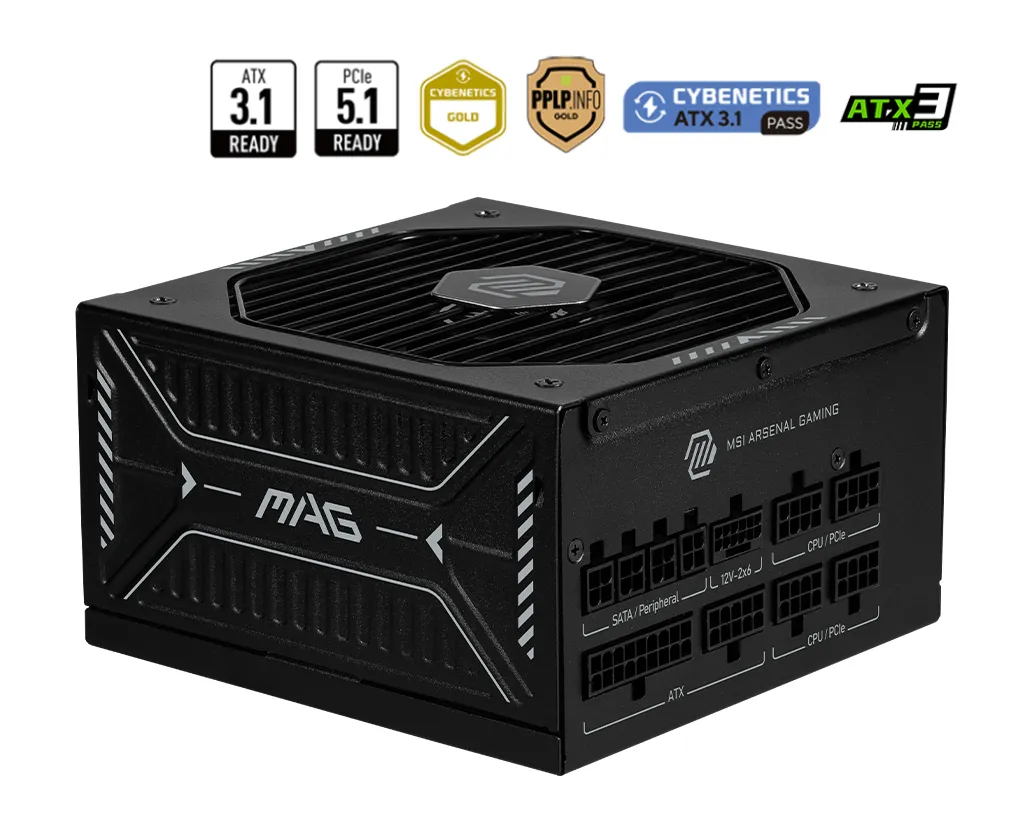
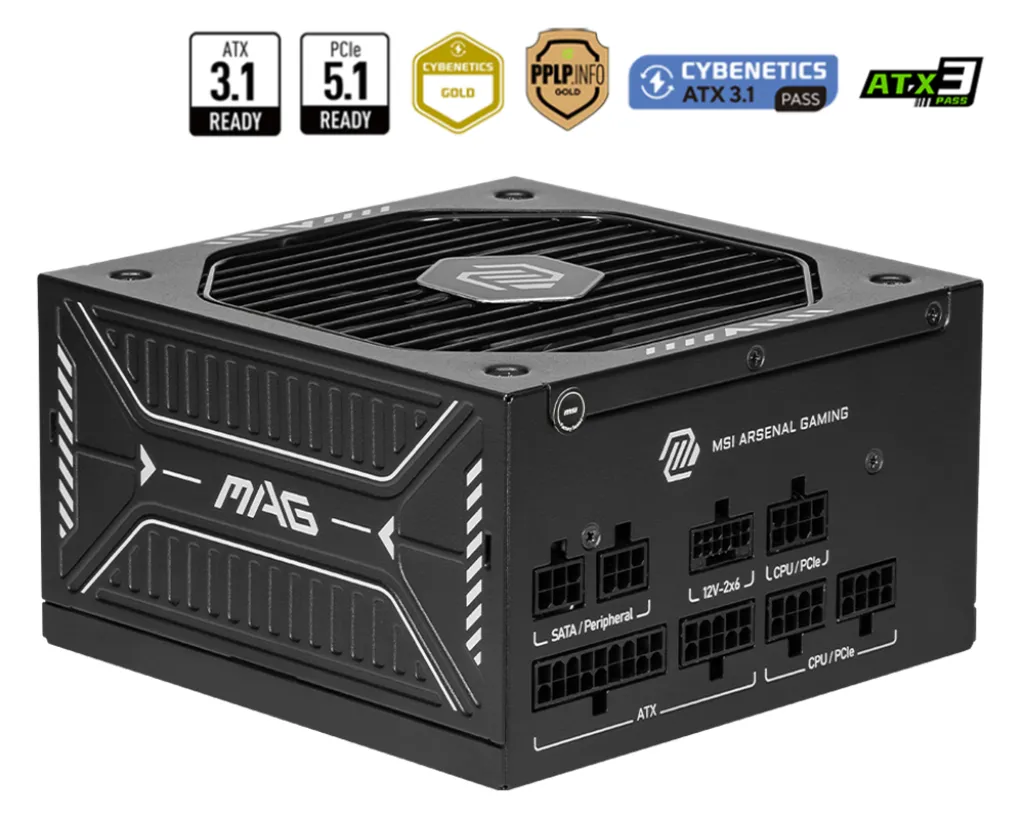
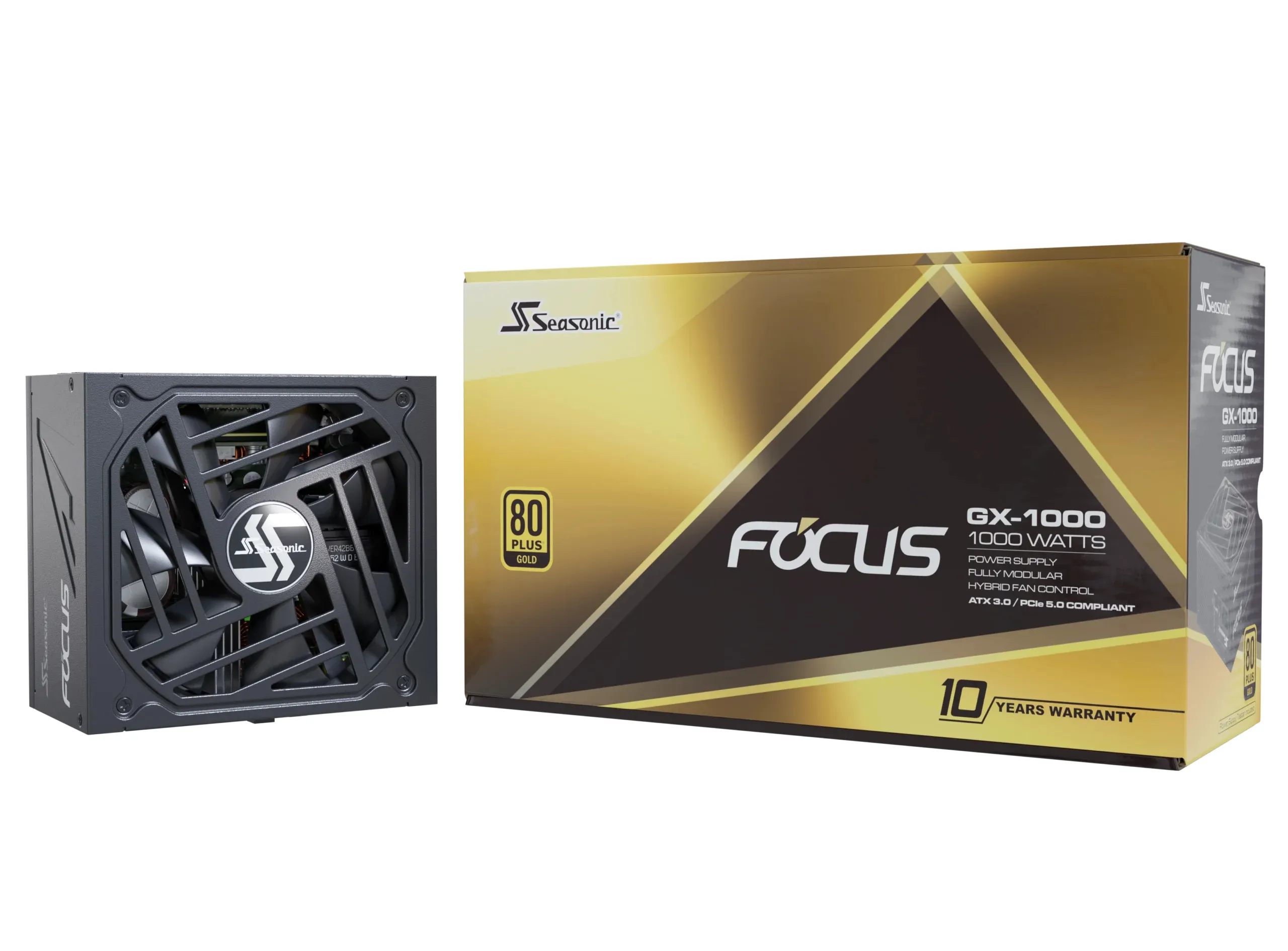
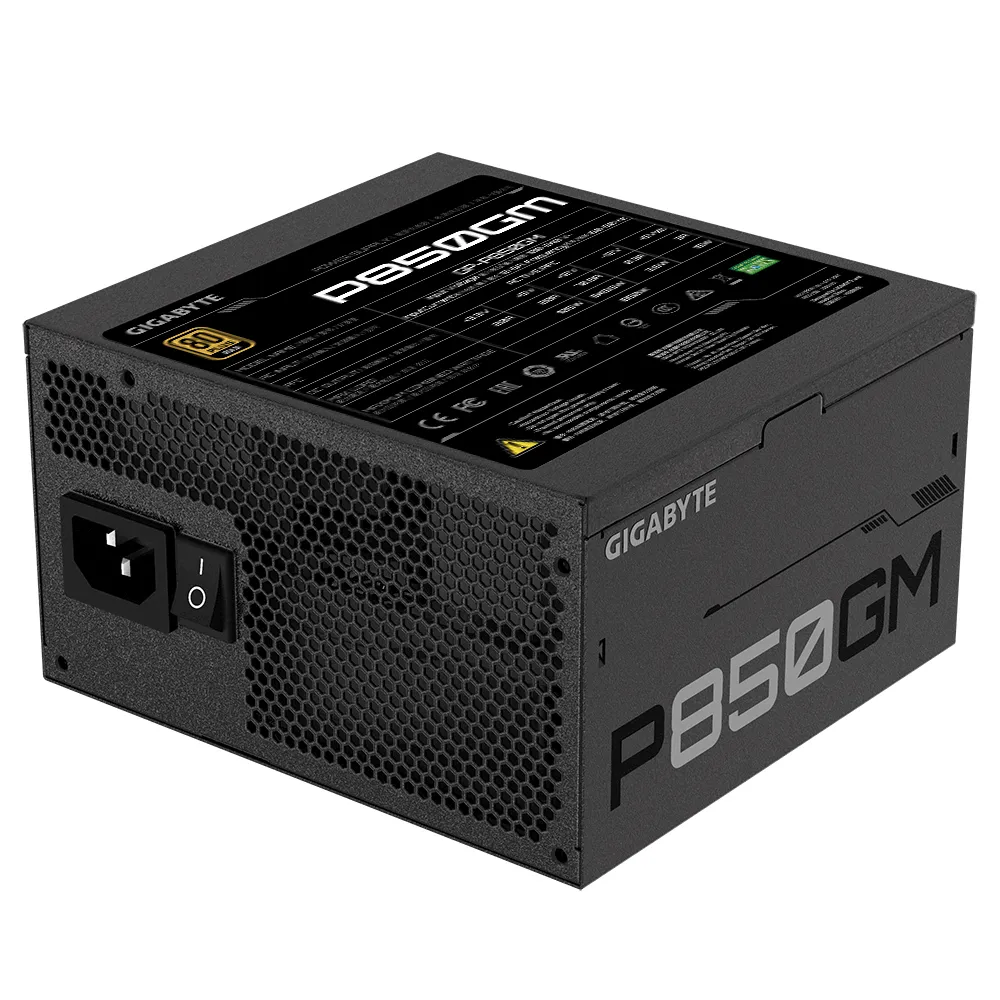
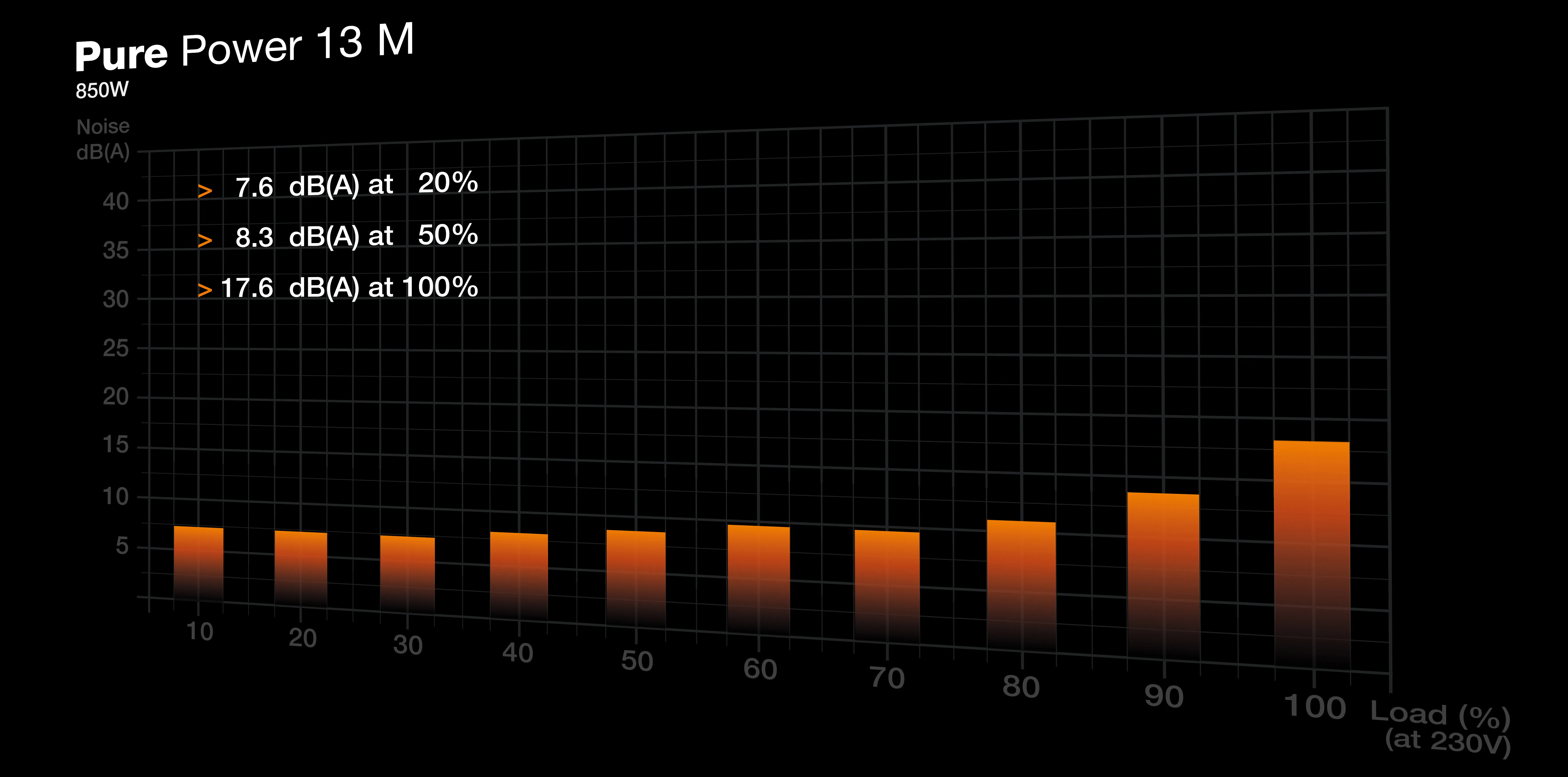
- Efficiency and 80 PLUS Certification: Certification (such as Bronze, Gold, or Platinum) indicates how much energy taken from the grid is converted into electricity versus wasted as heat. Higher efficiency reduces power consumption and keeps the PSU cooler and quieter.
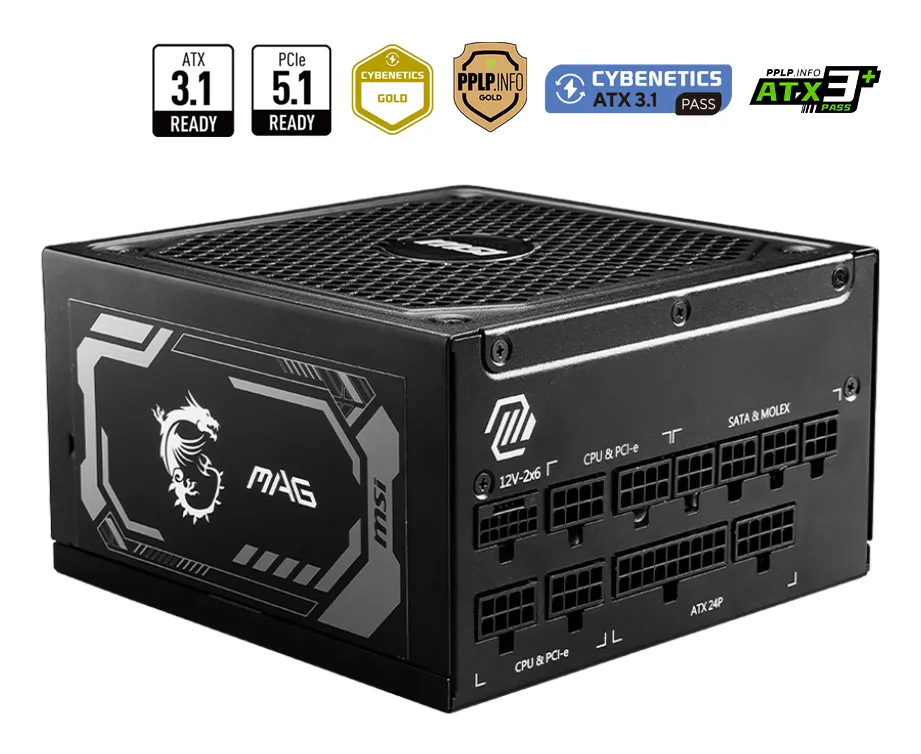
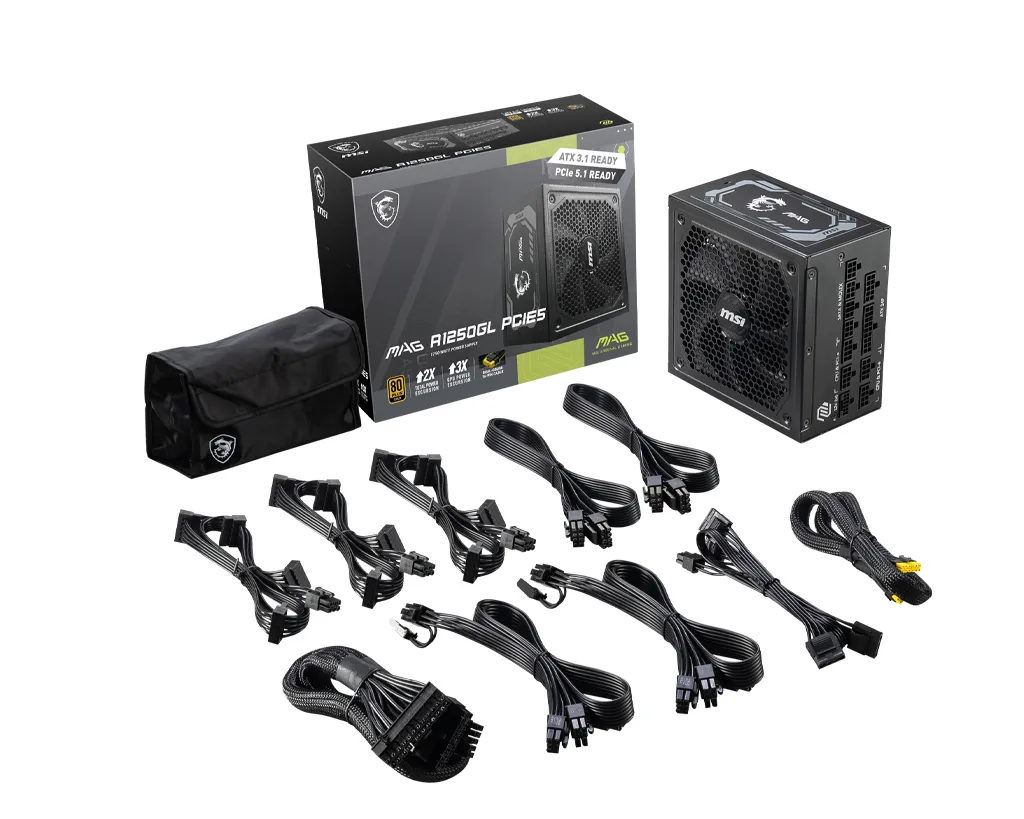
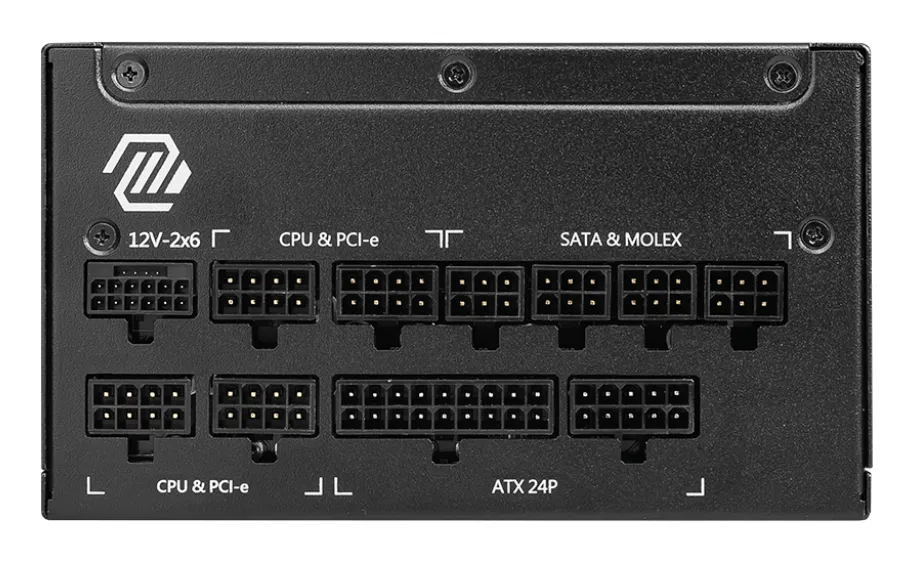
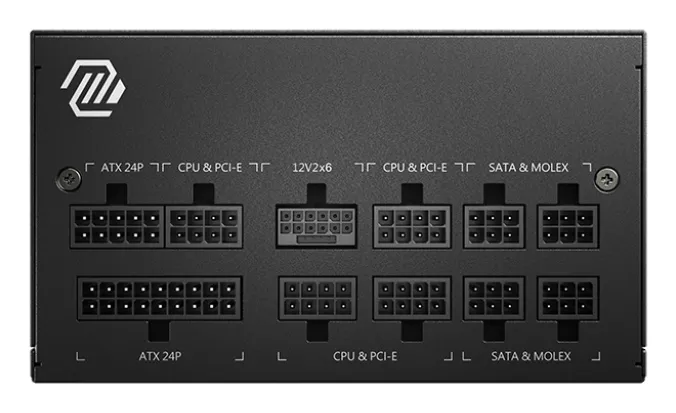
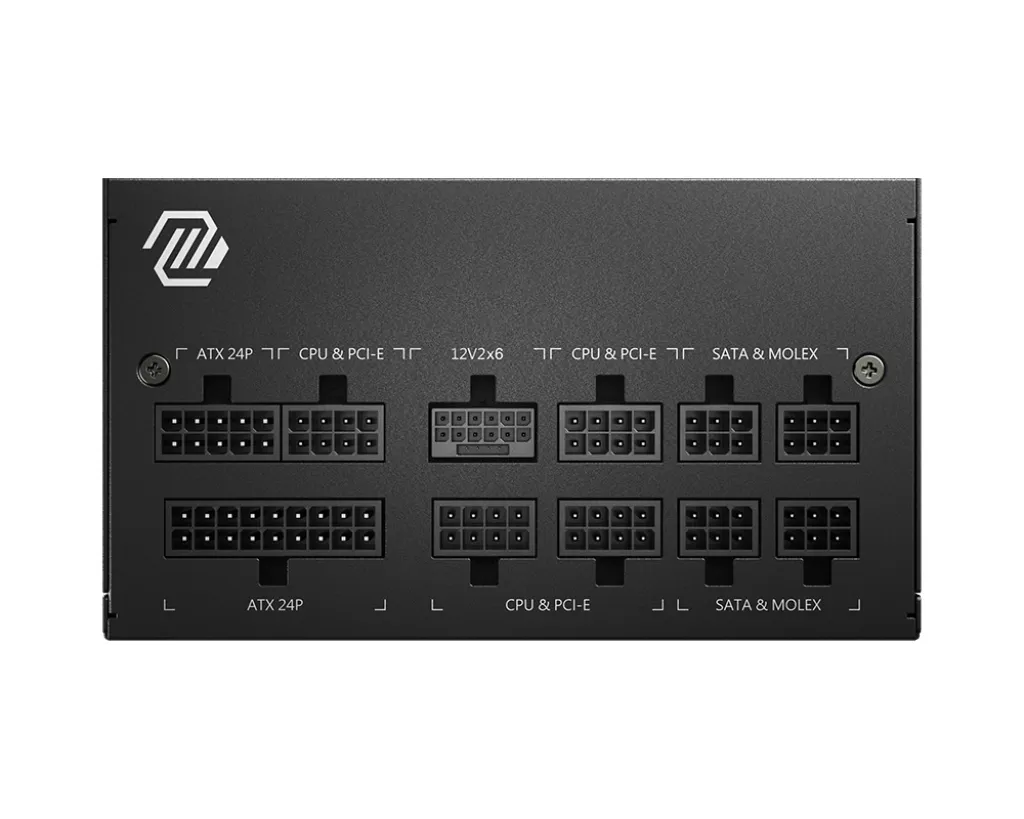
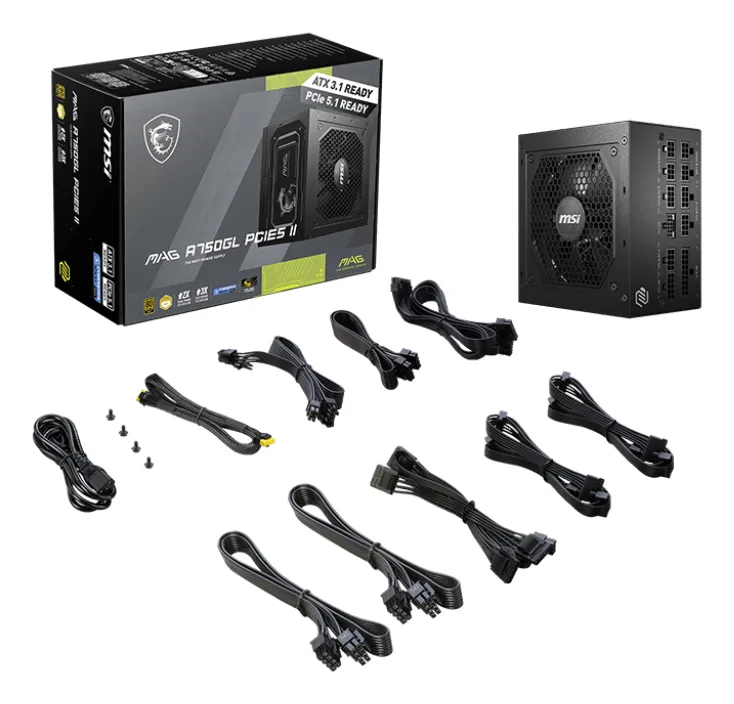
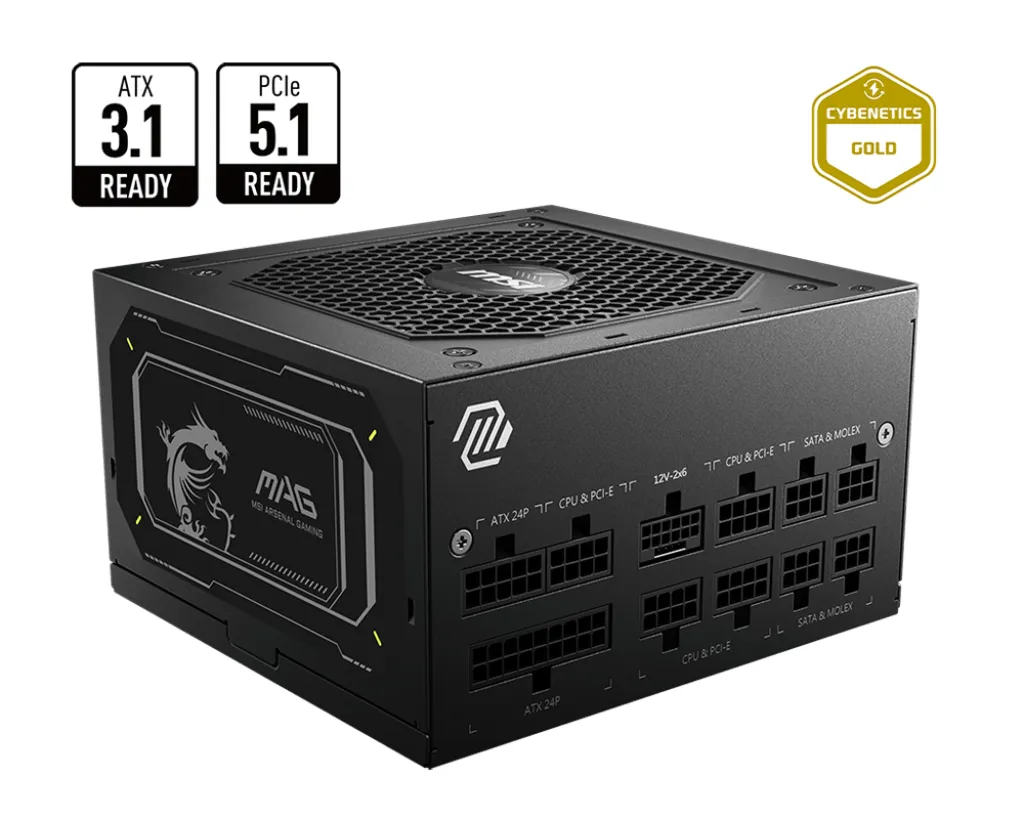
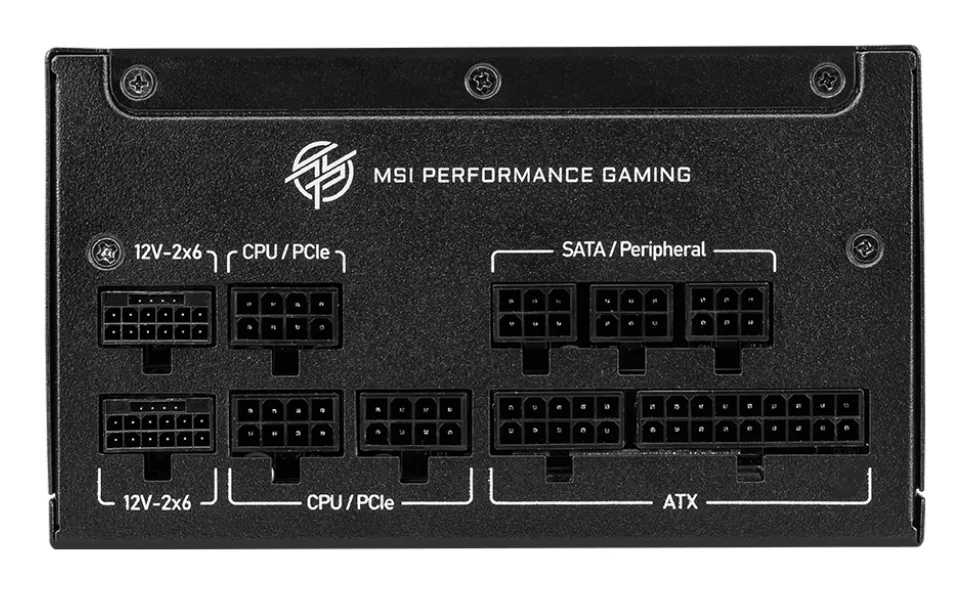
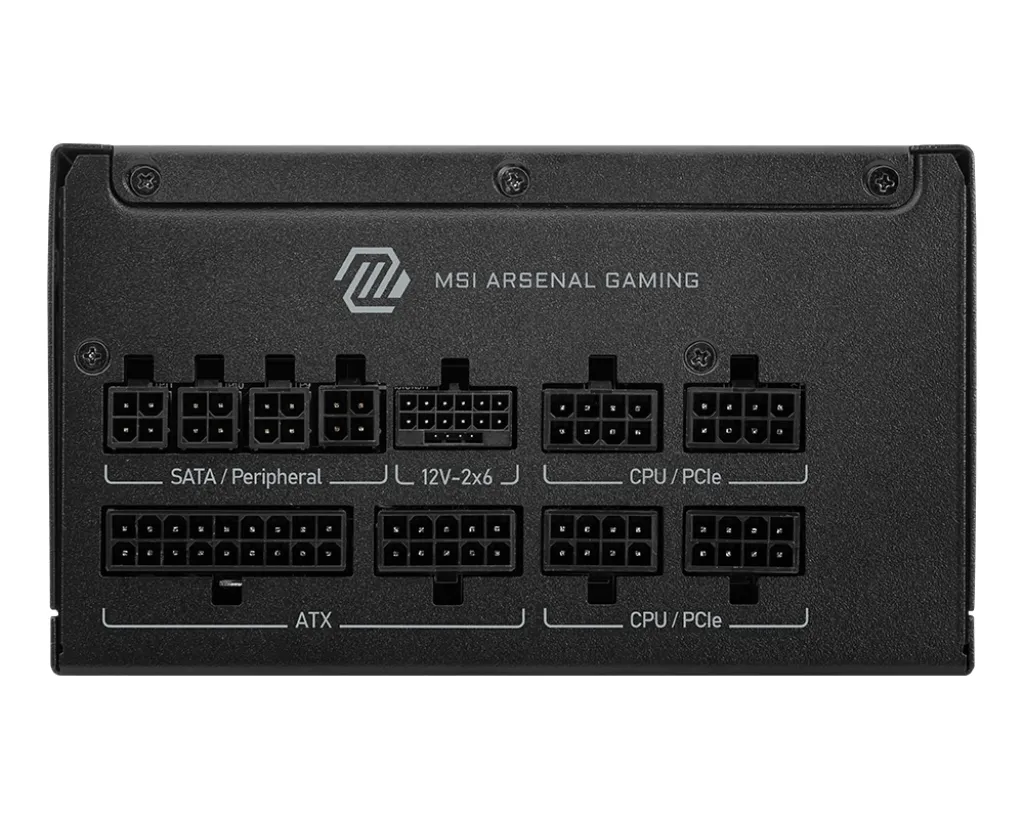
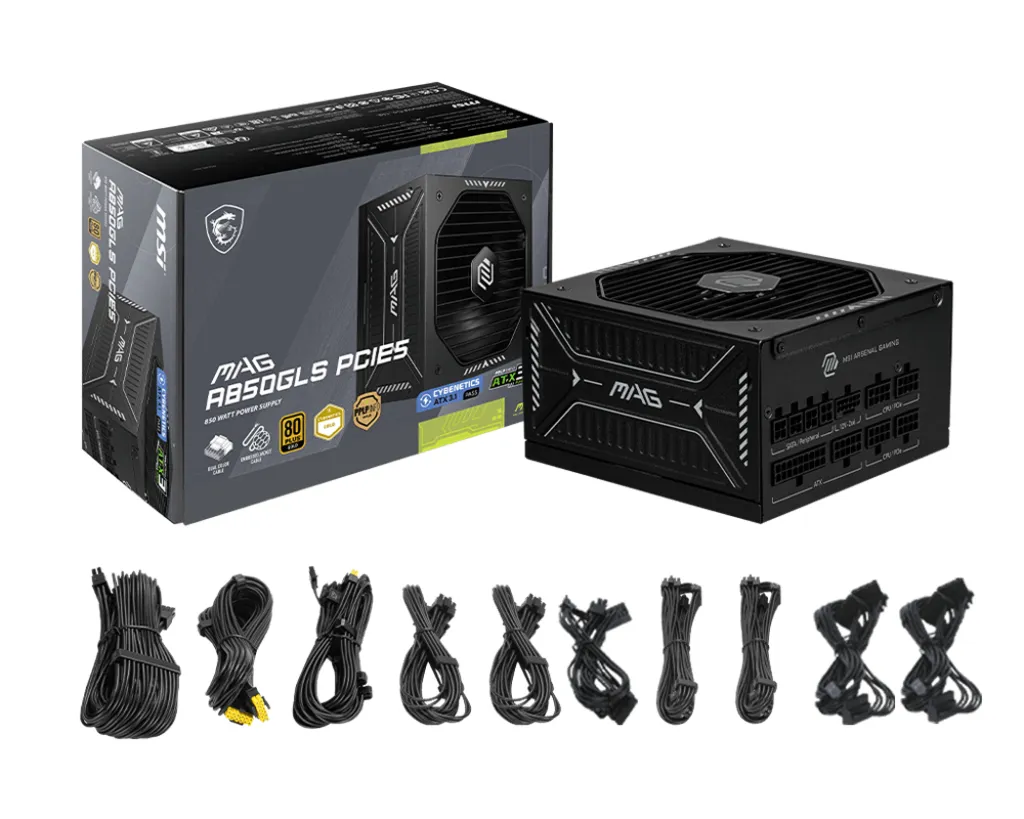
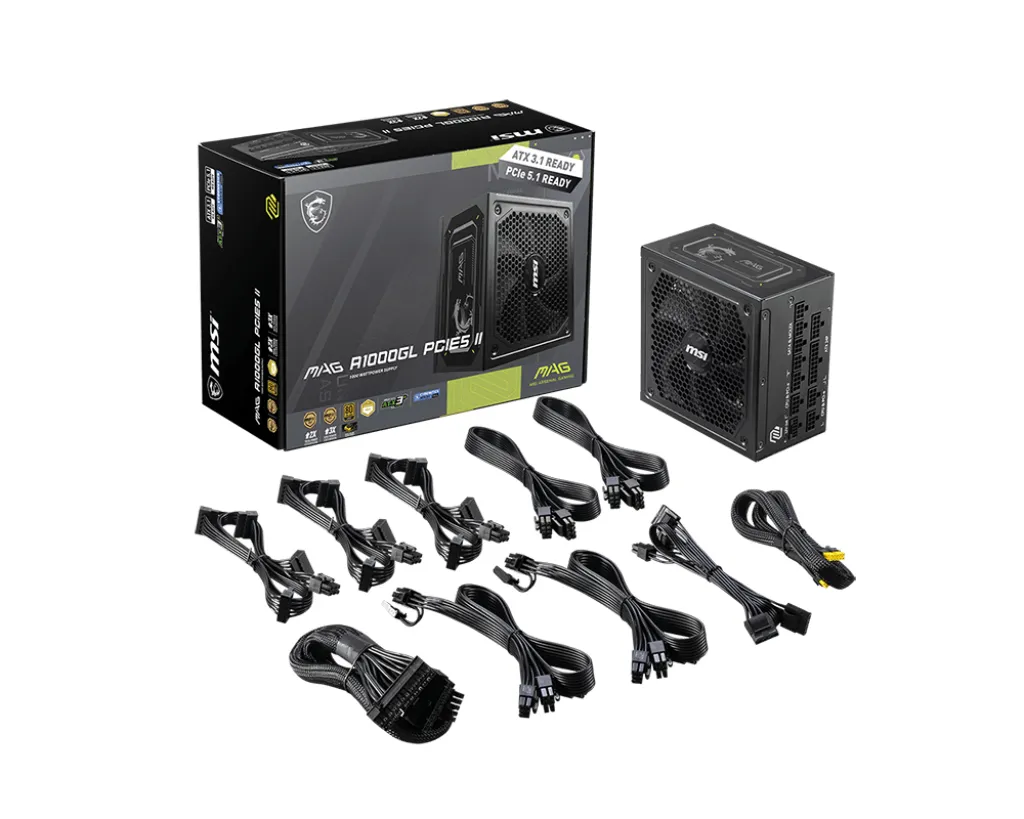
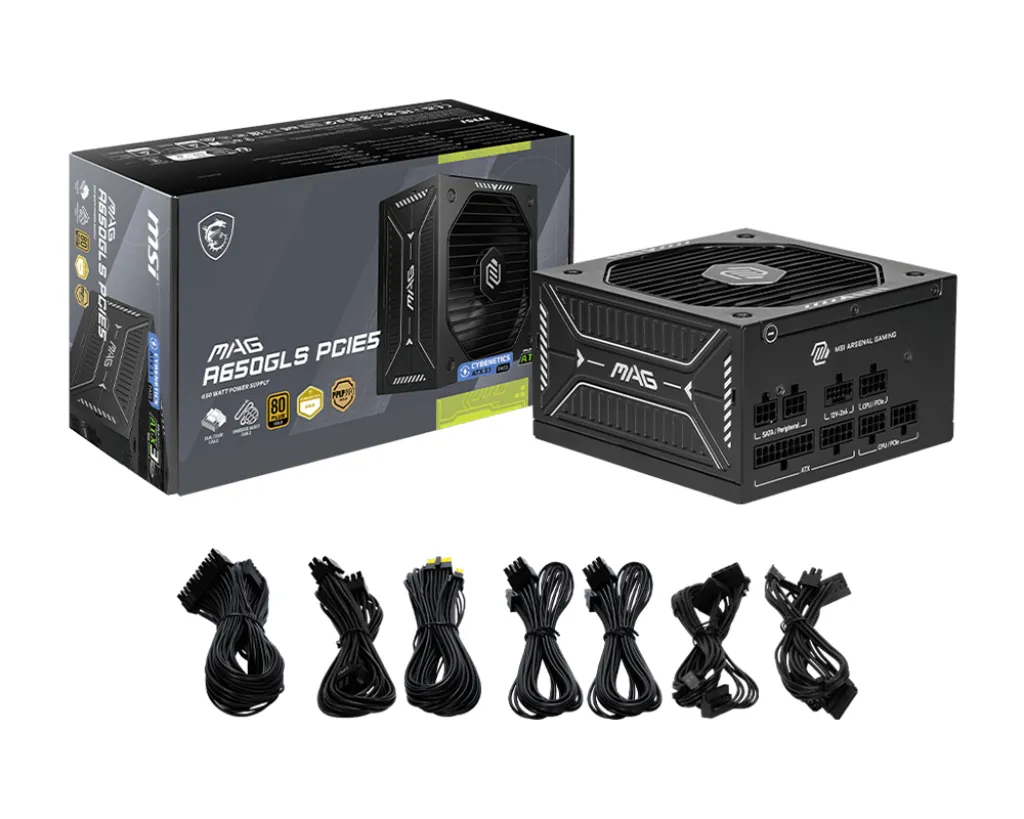
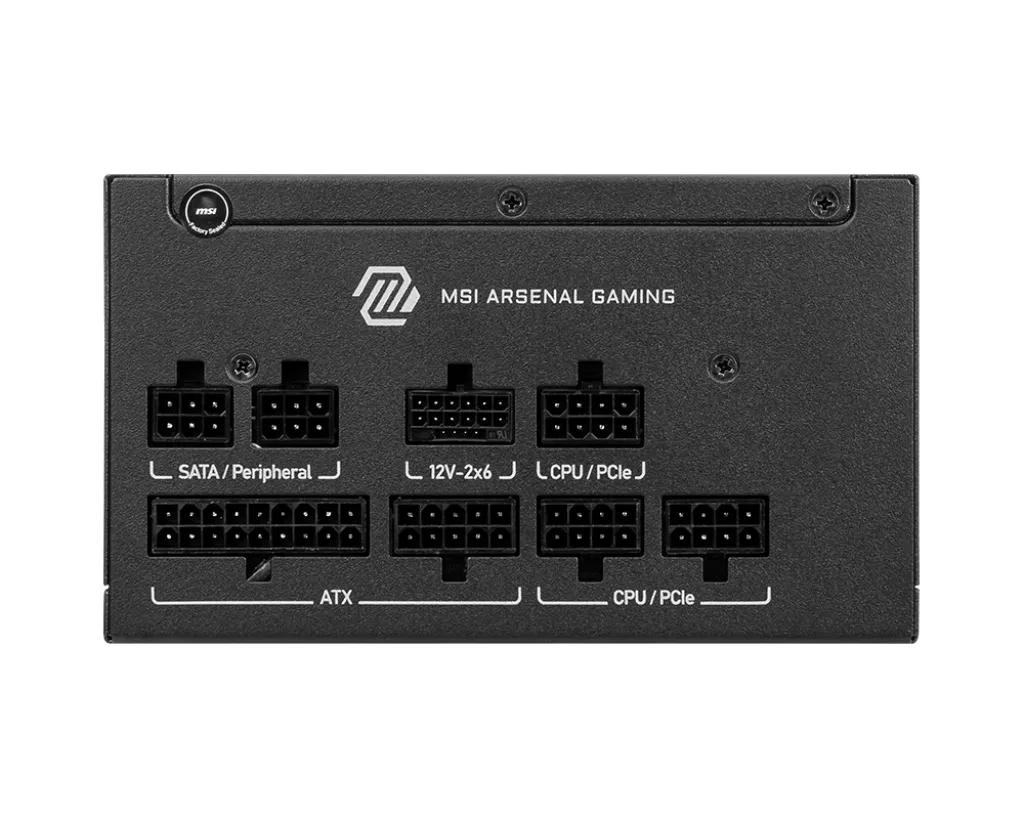
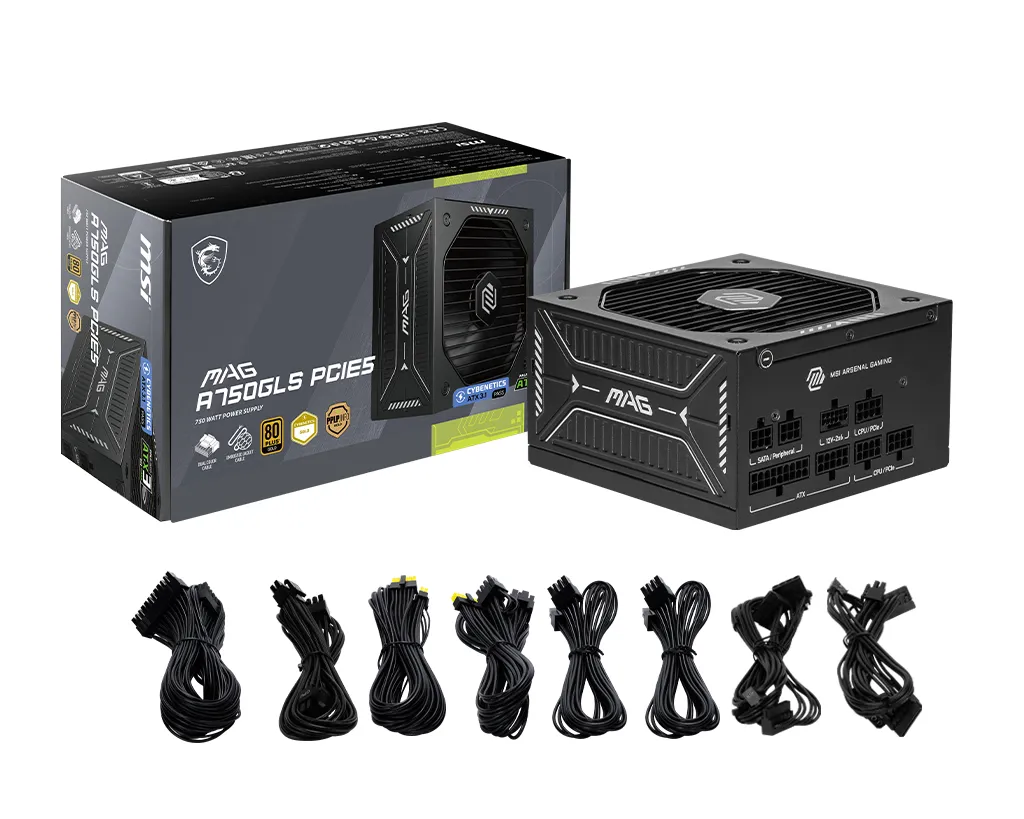
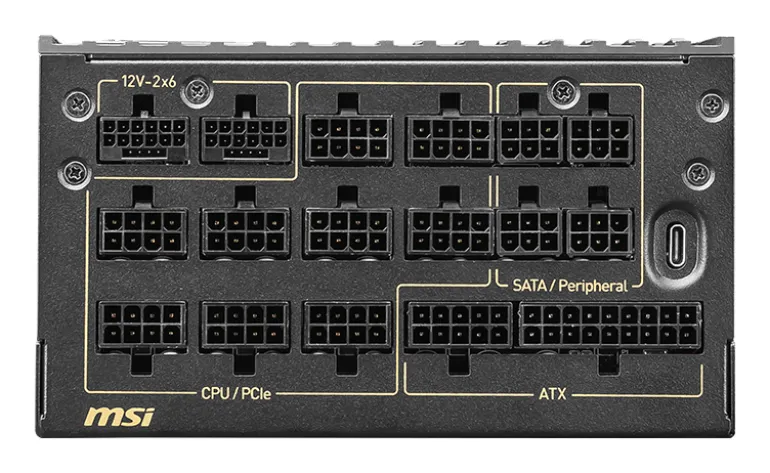
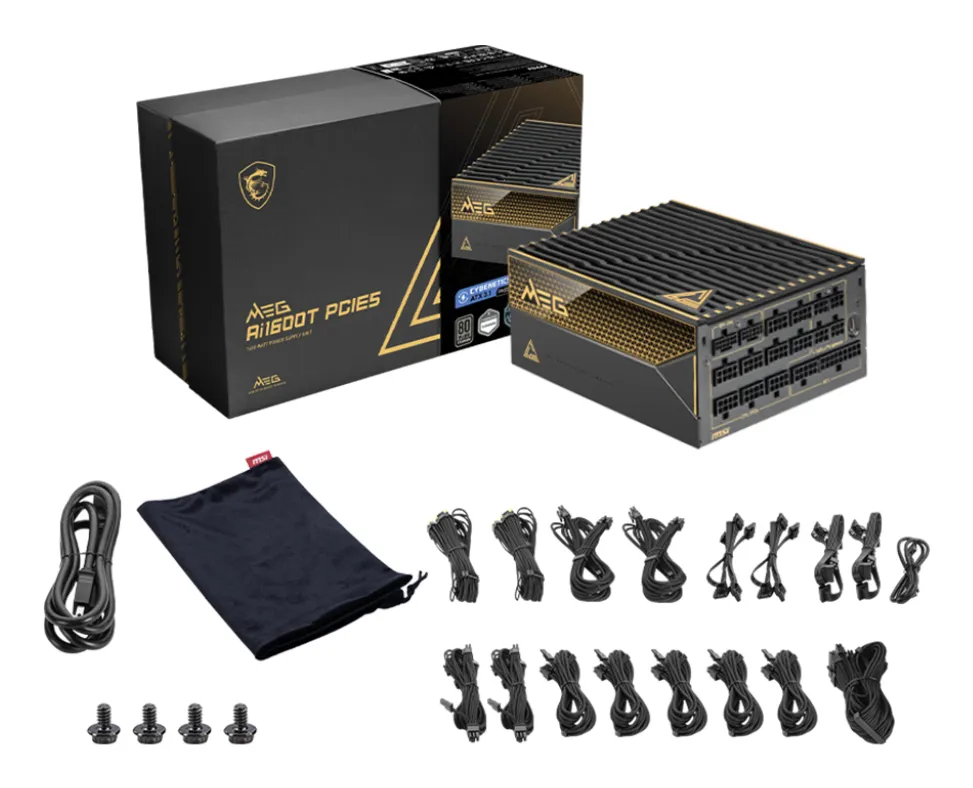
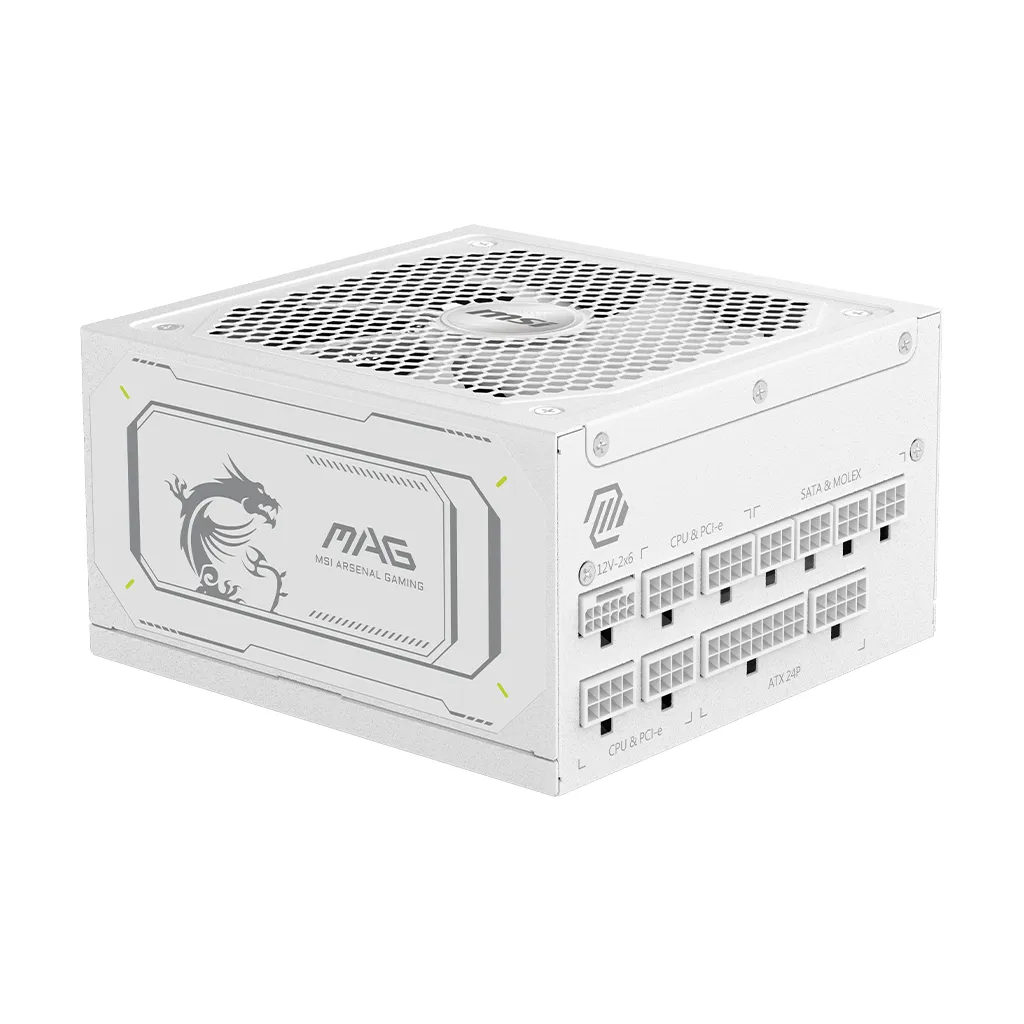
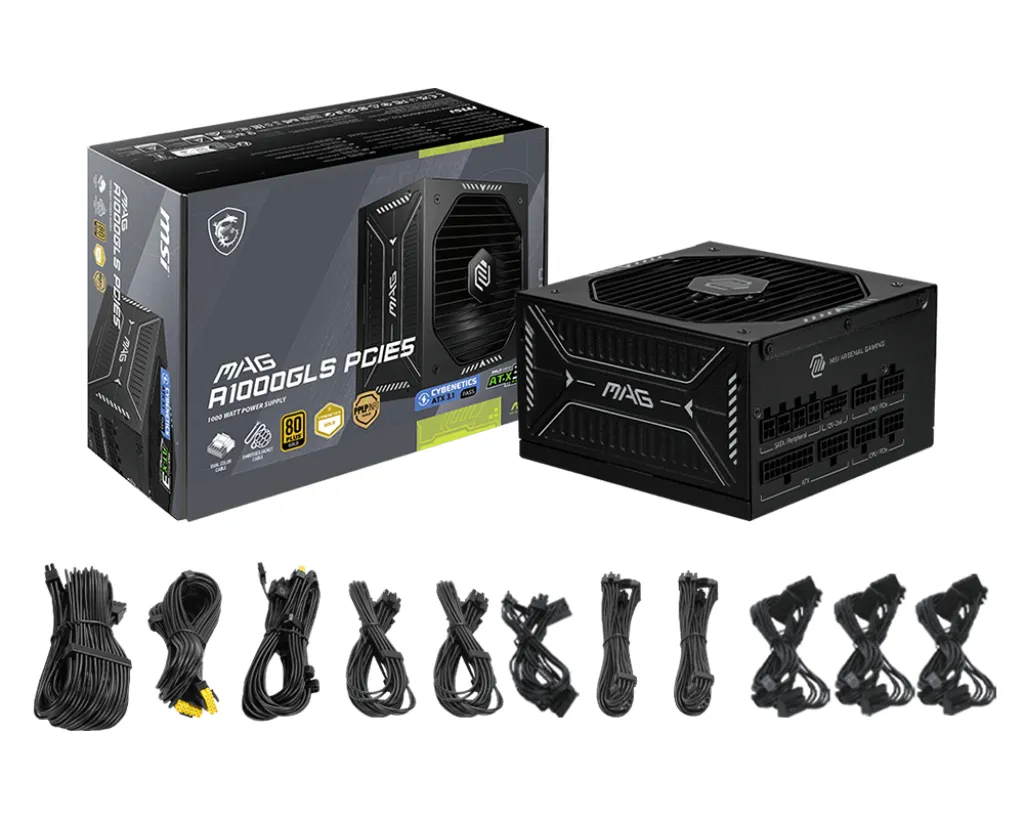
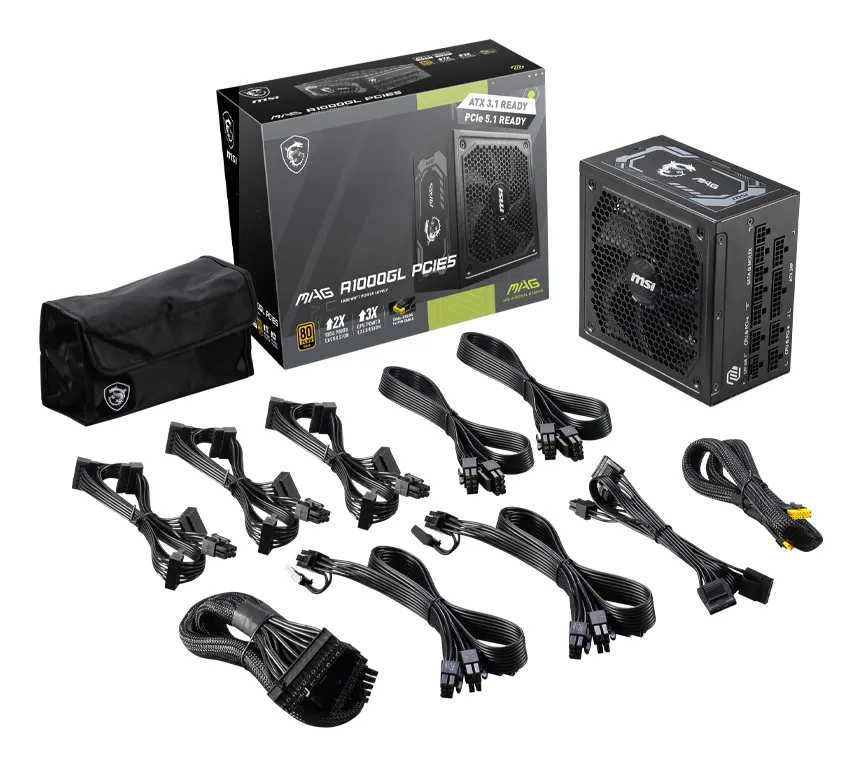
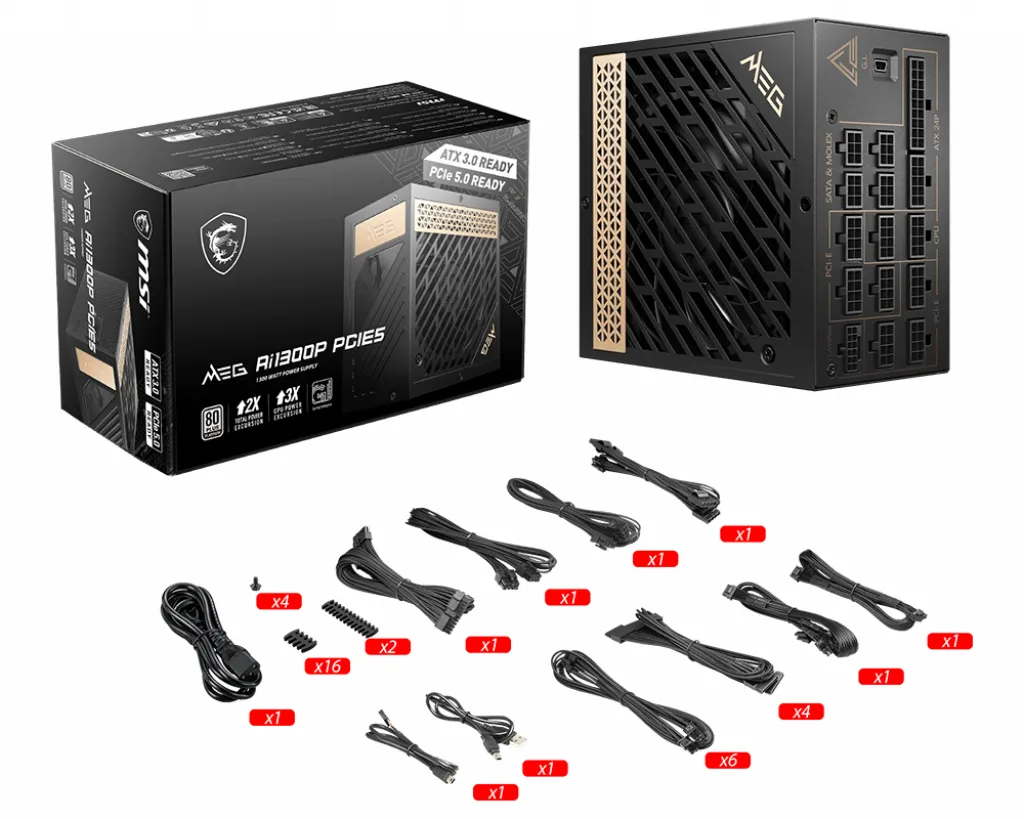
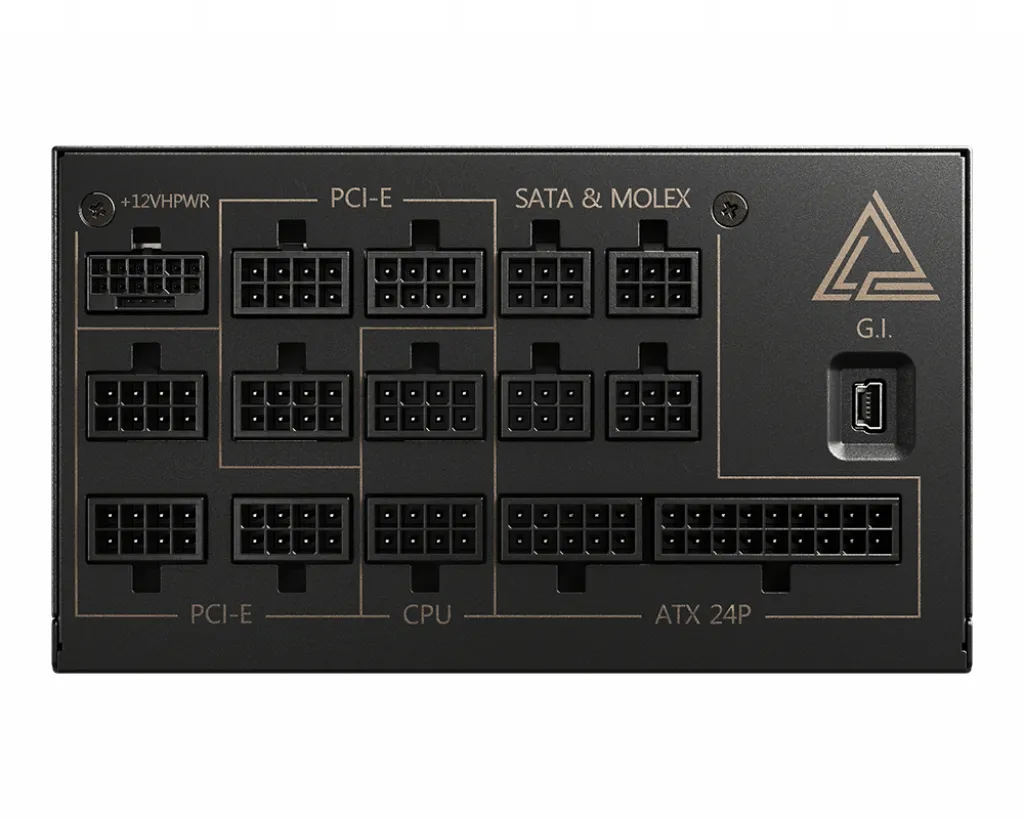
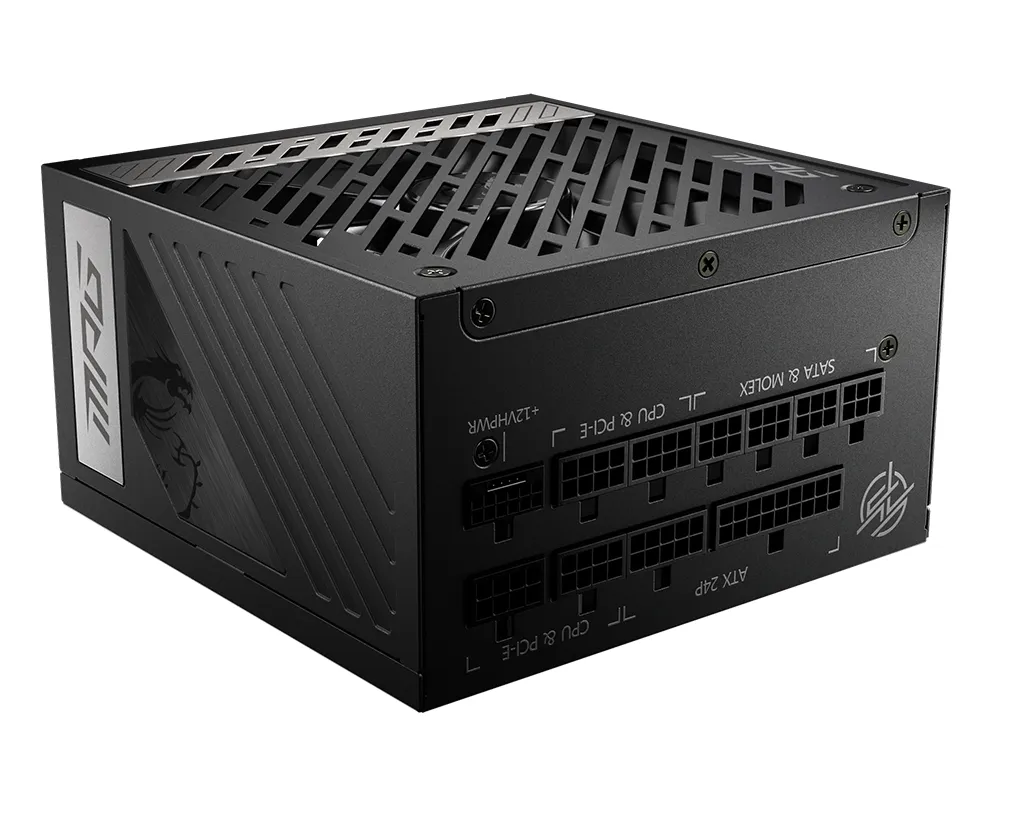
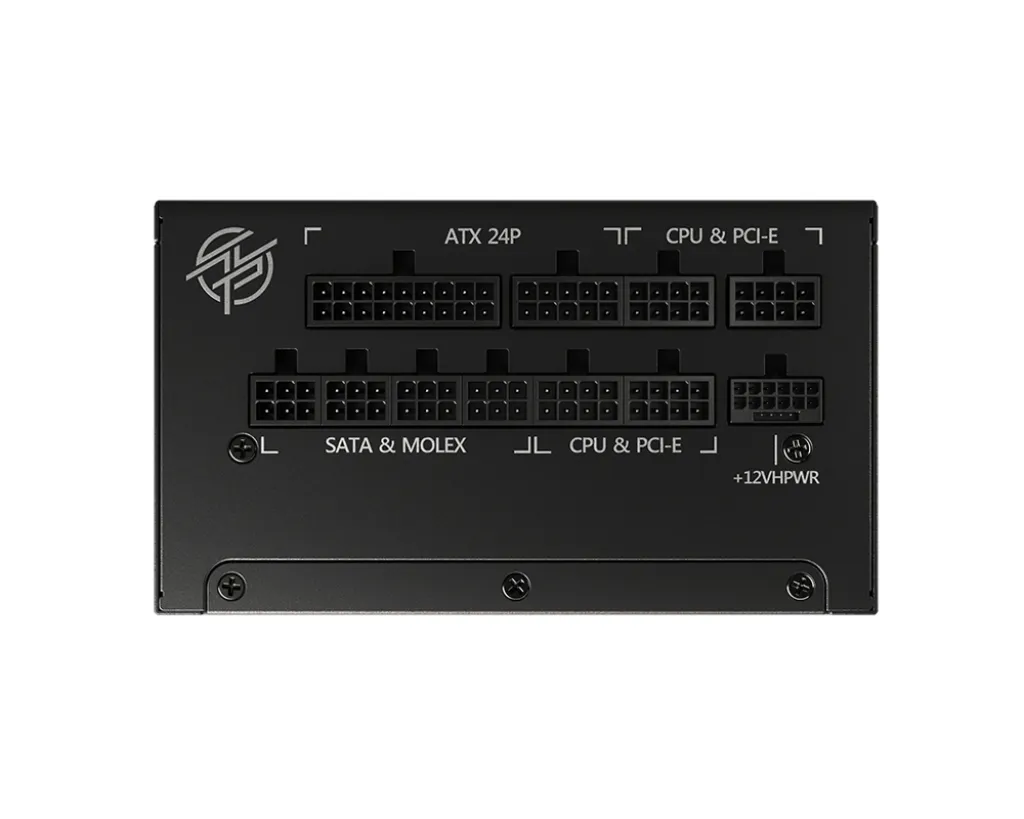
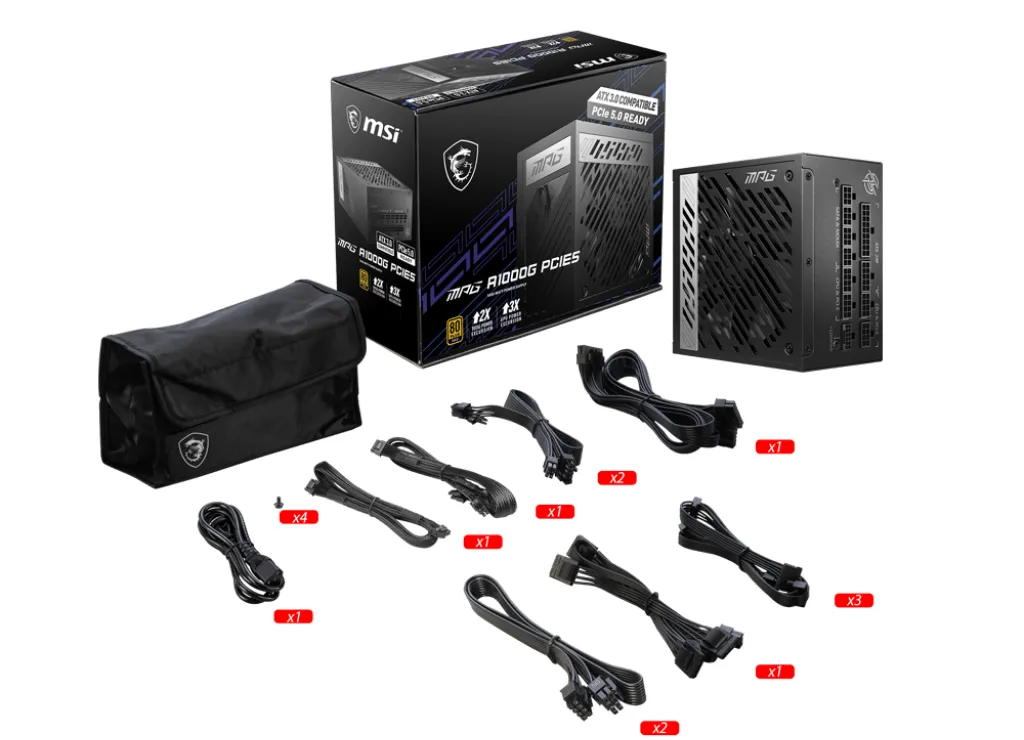
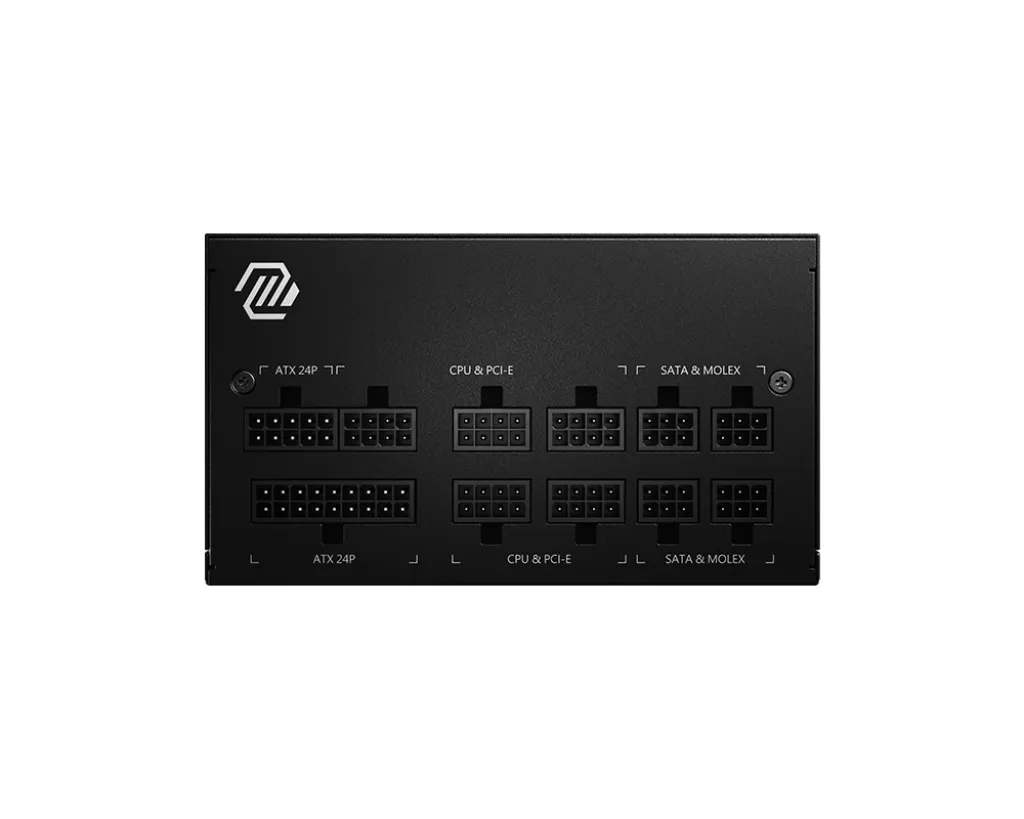
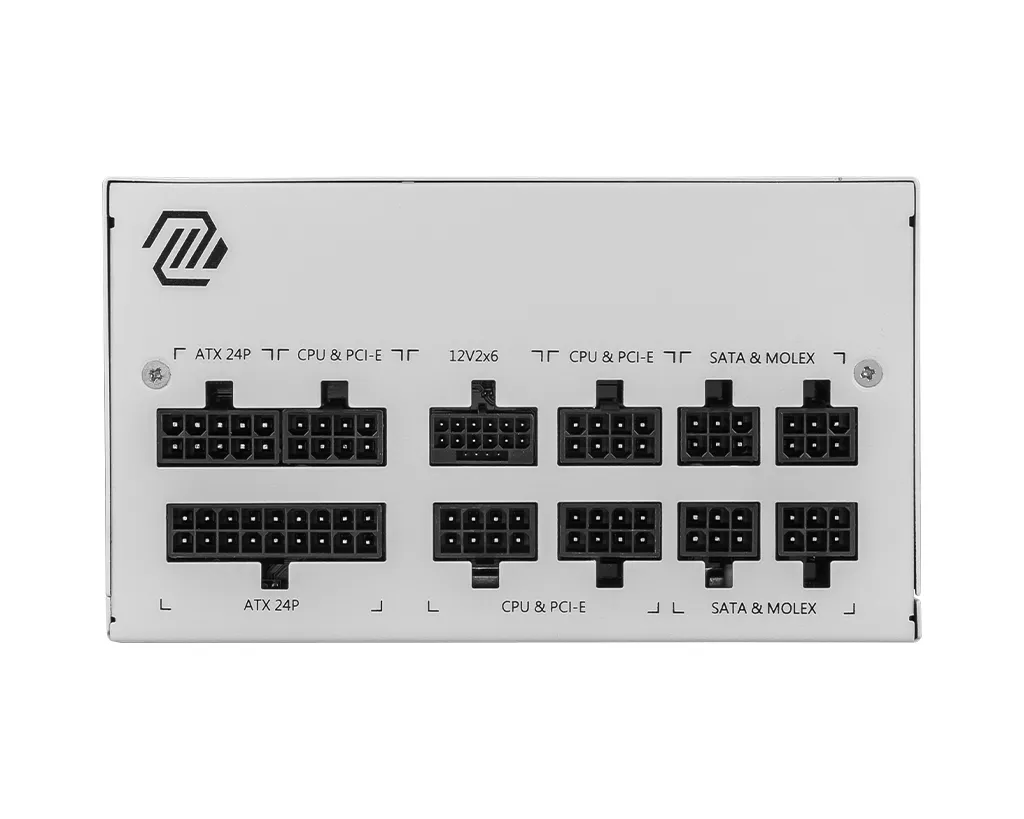
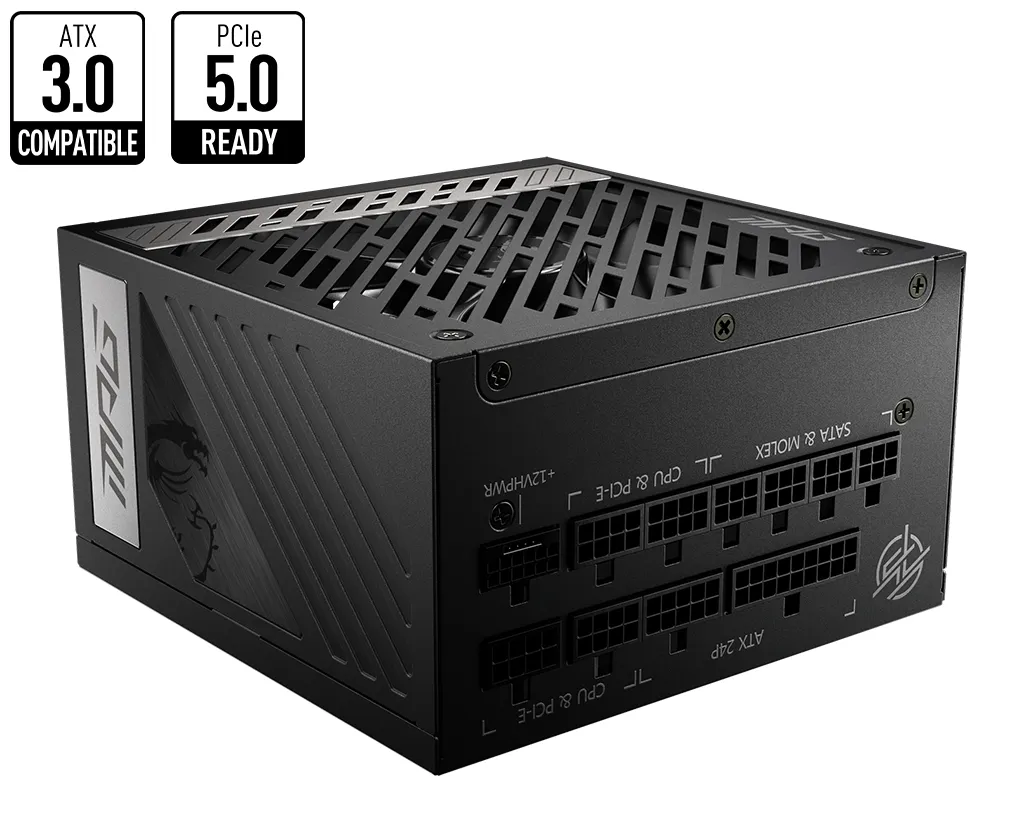
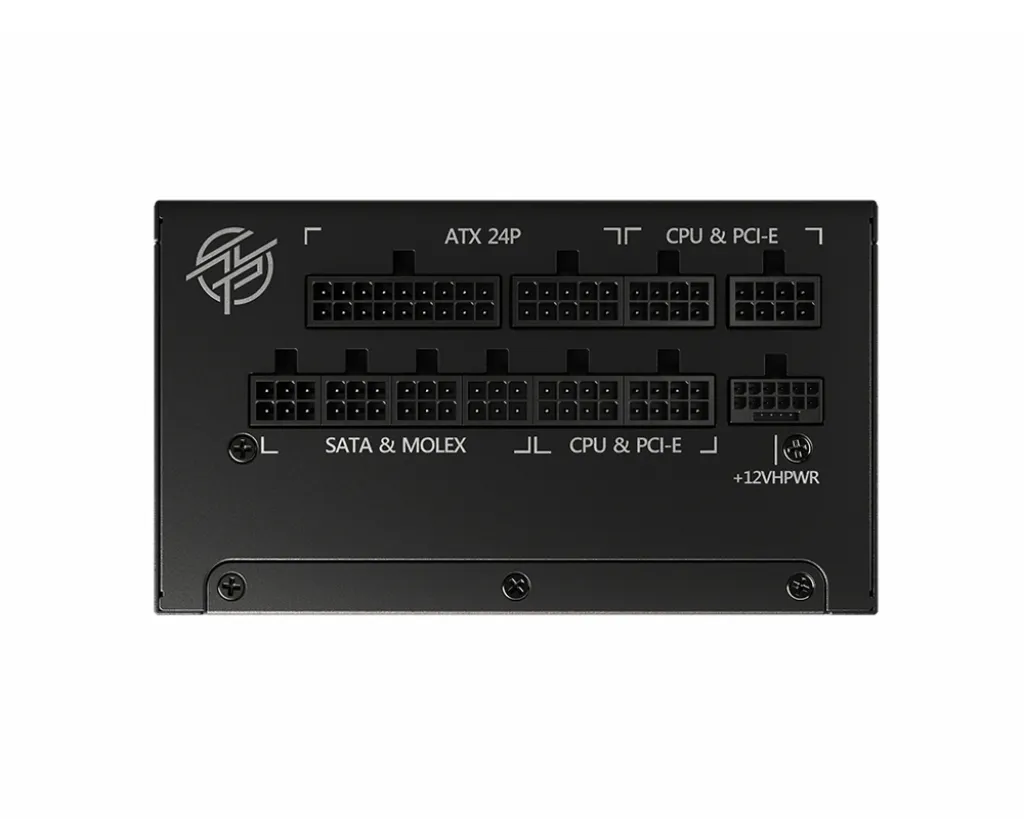
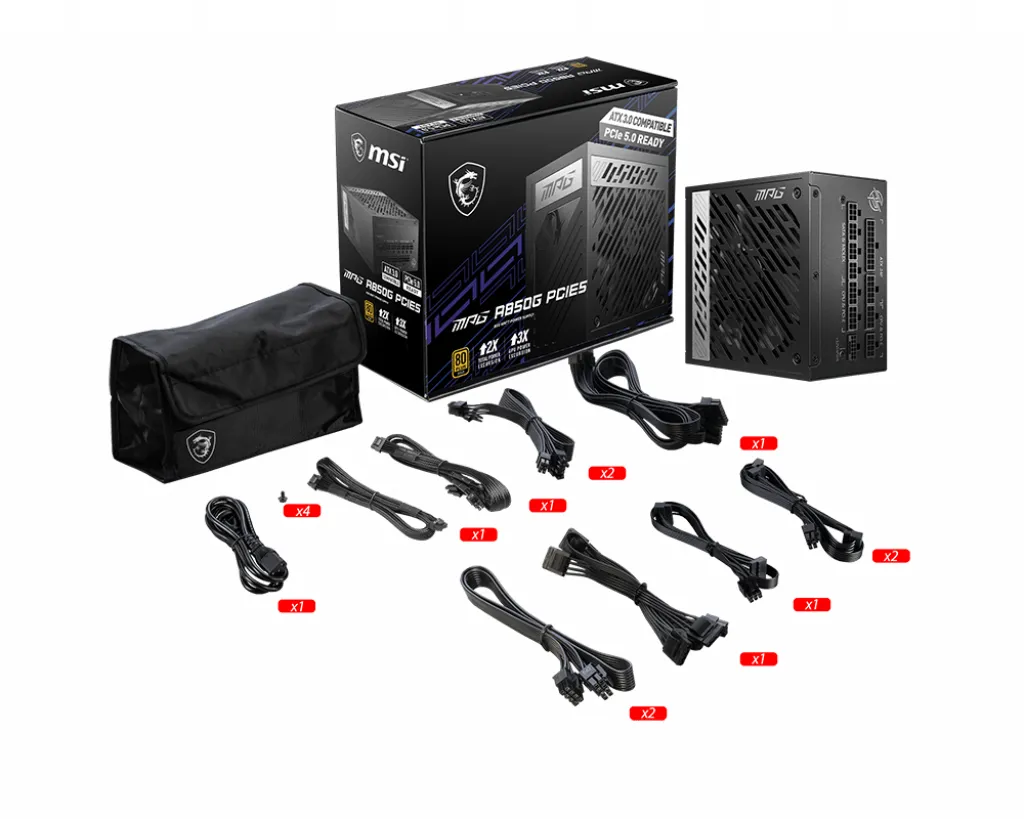
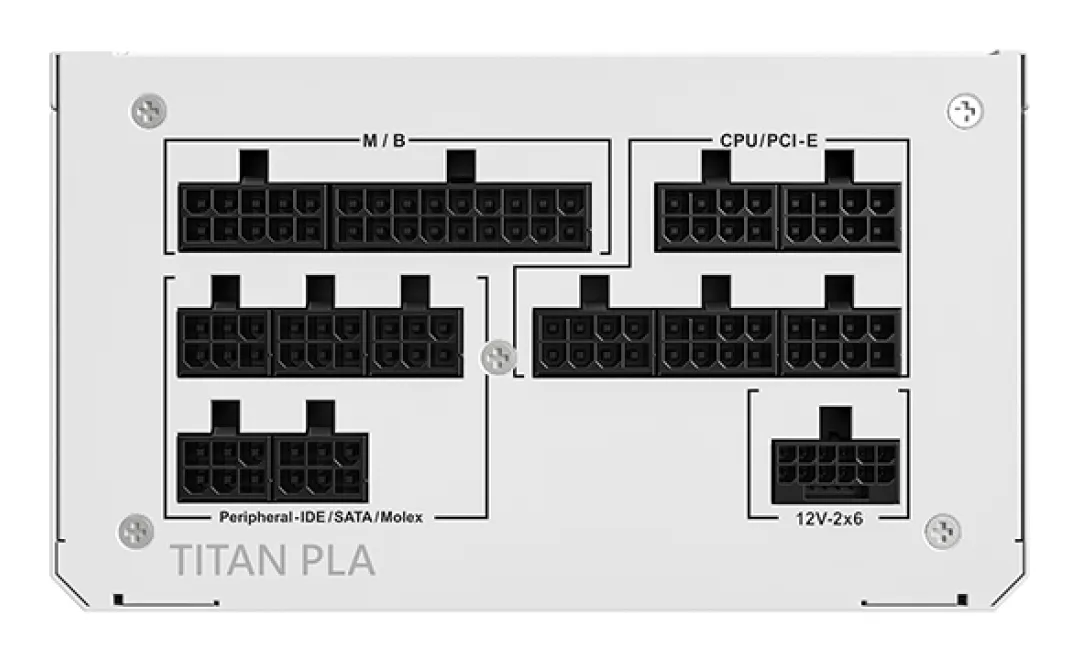
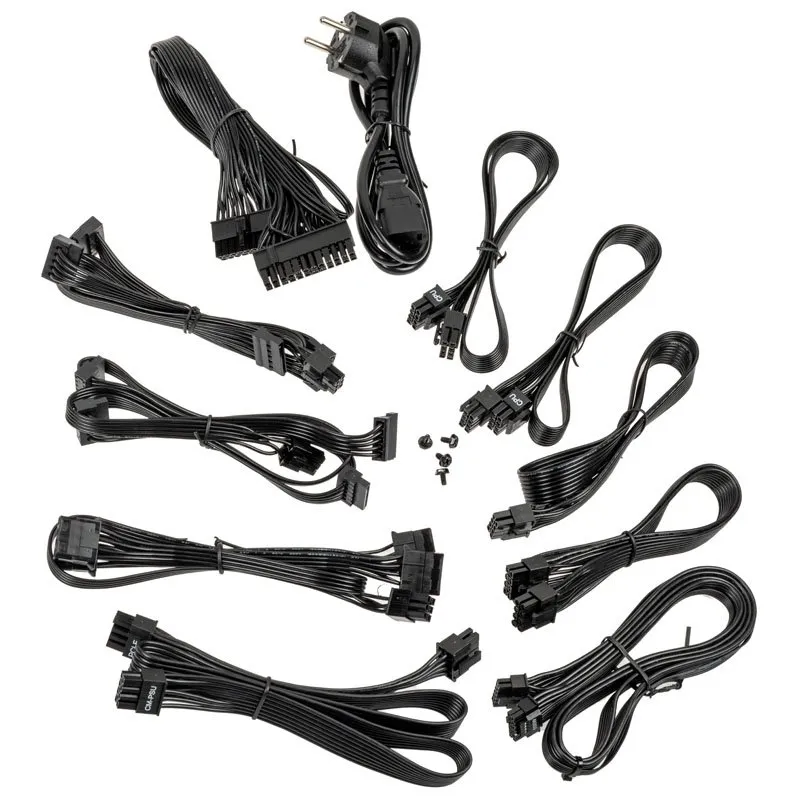
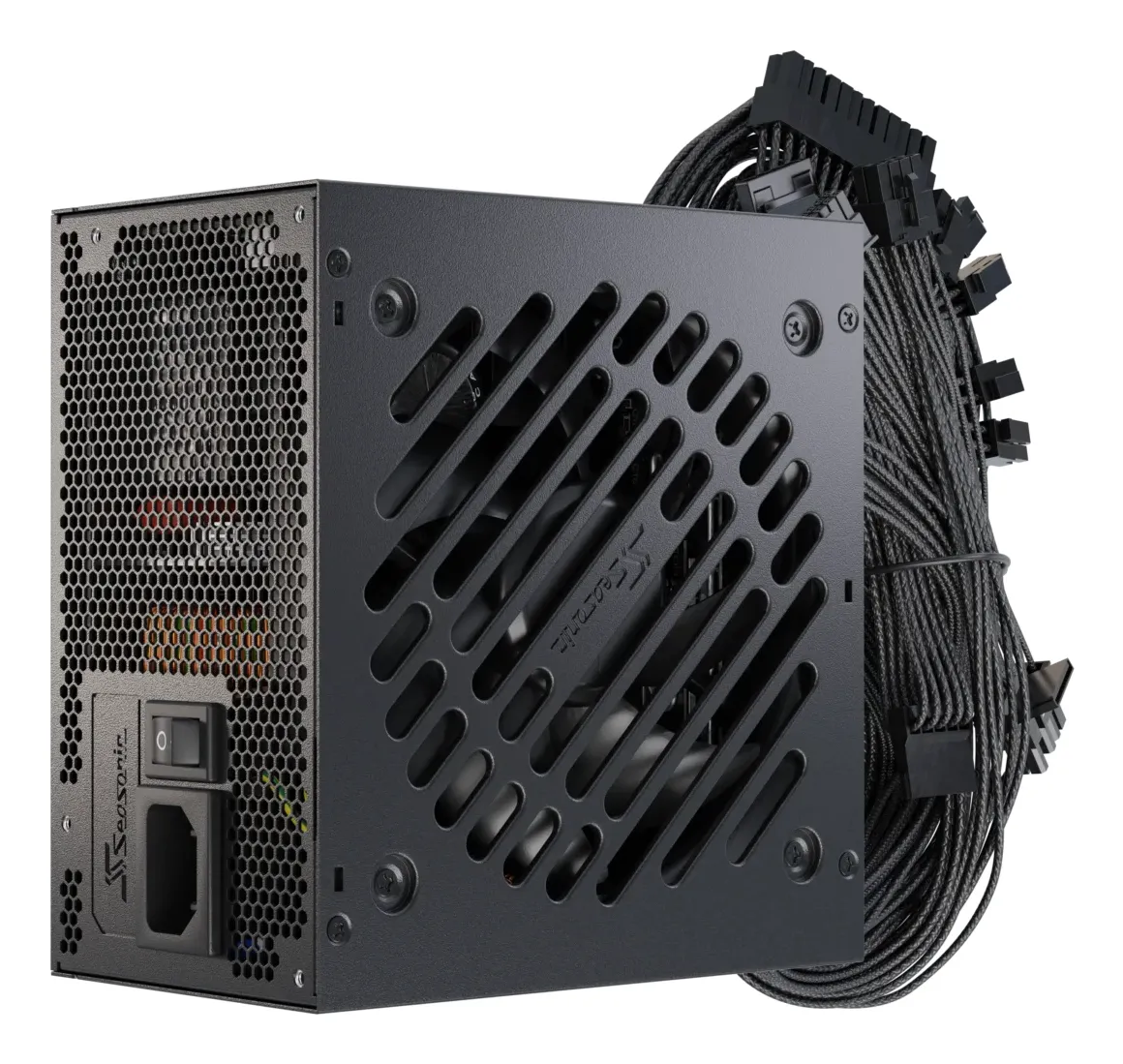
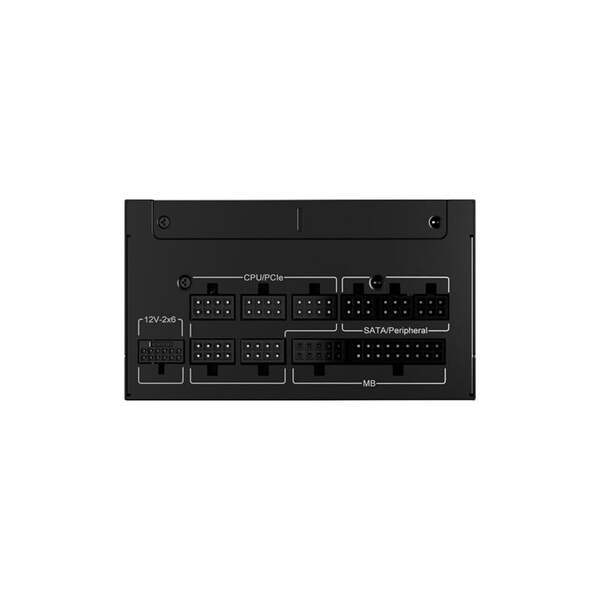
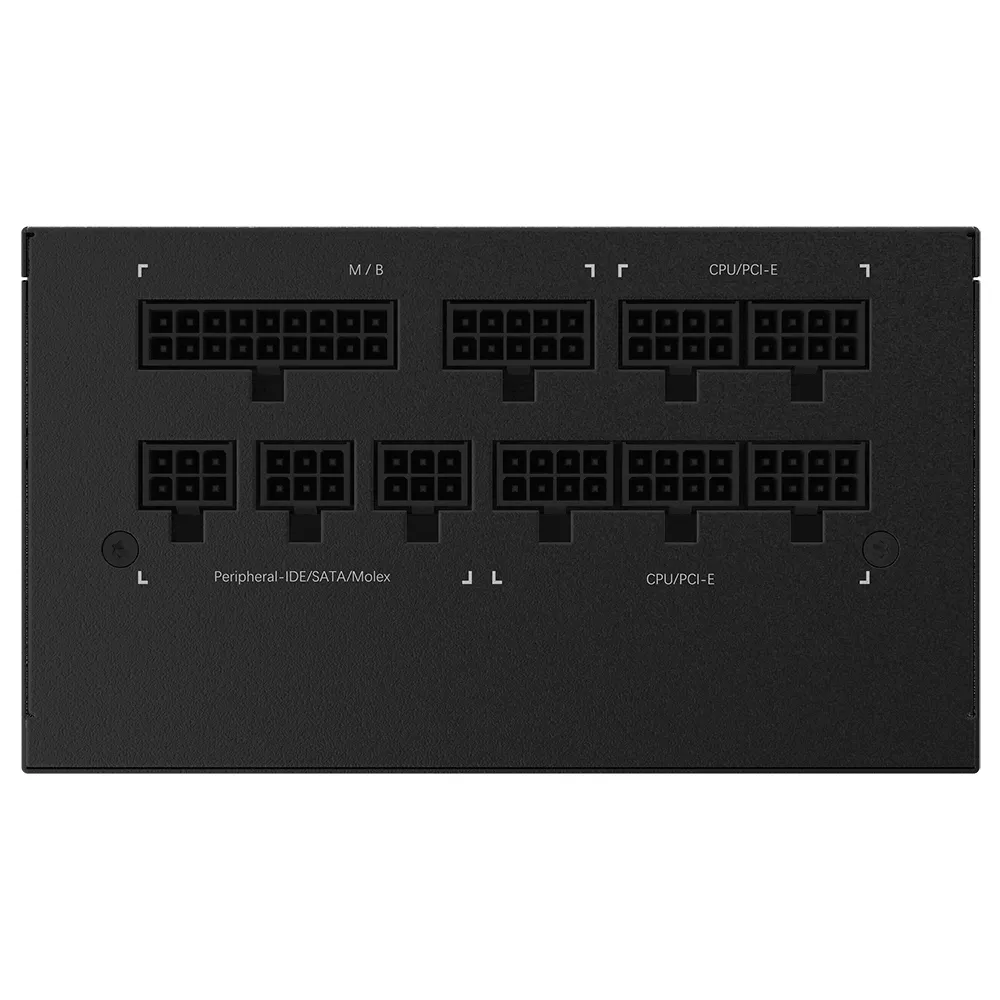
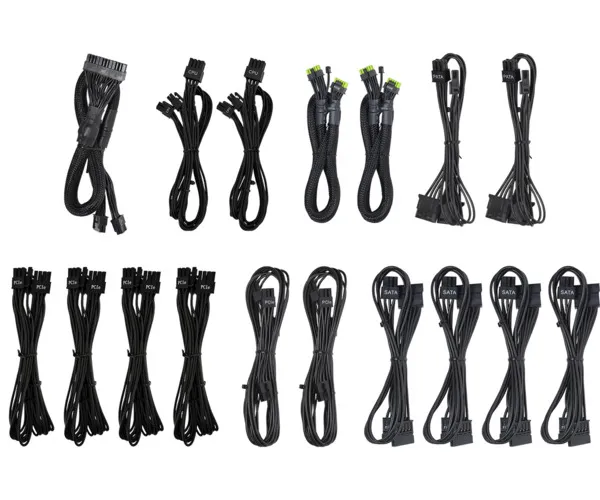
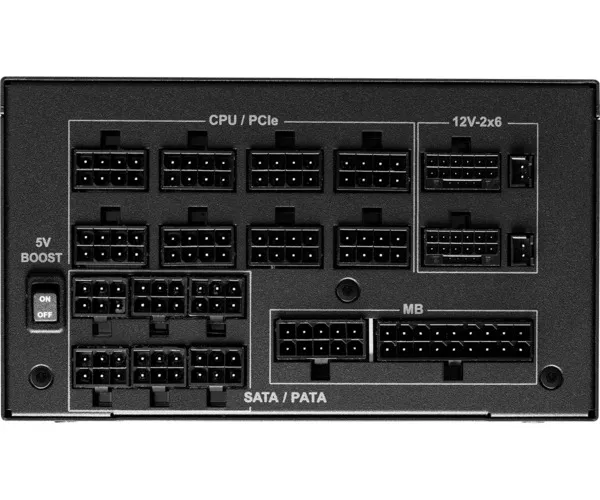
- Cabling and Modularity: PSUs are categorized into fixed, semi-modular, and fully modular models. In a fully modular PSU, all cables are detachable, which simplifies cable management and improves airflow inside the case.
Major Brands and Standards
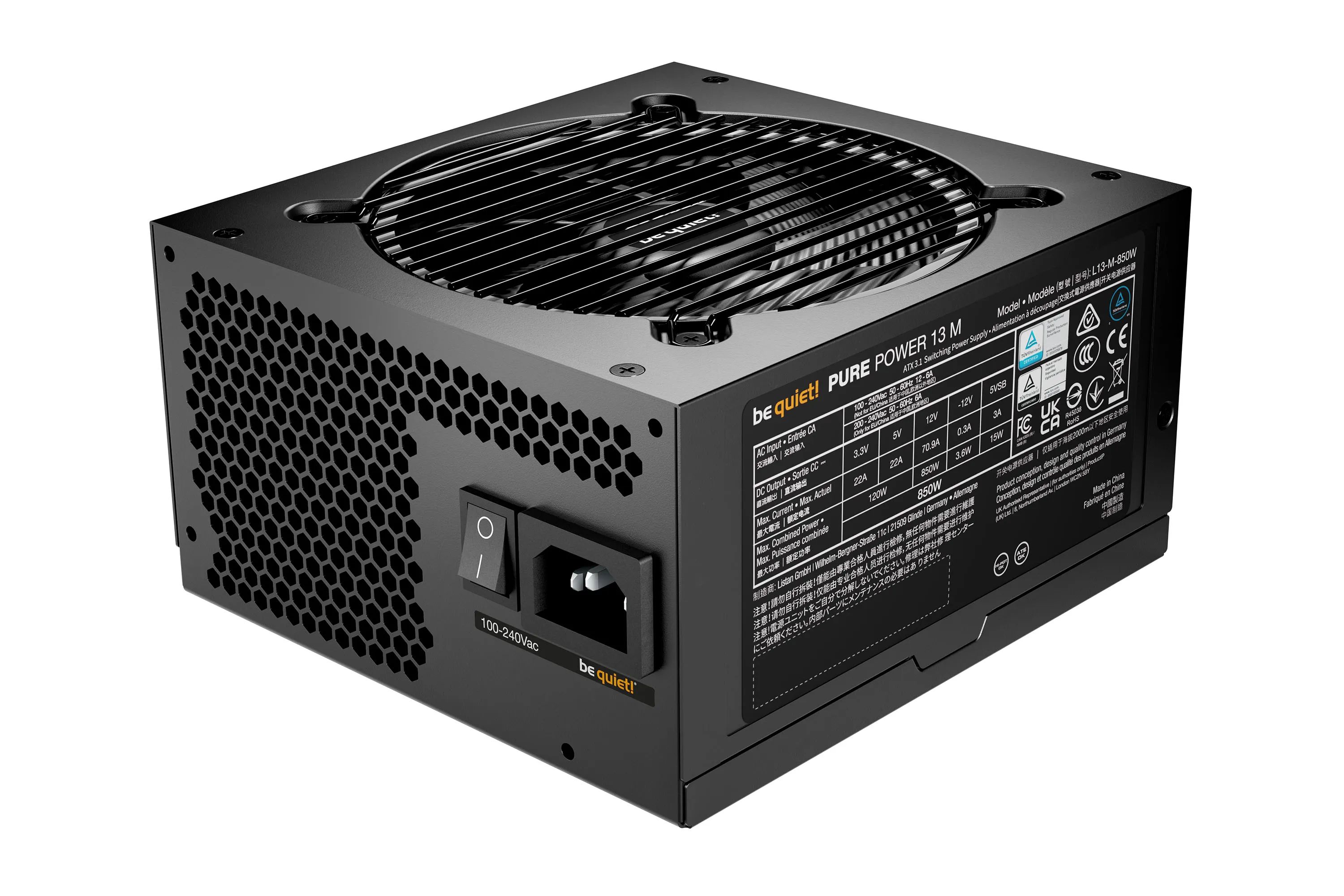
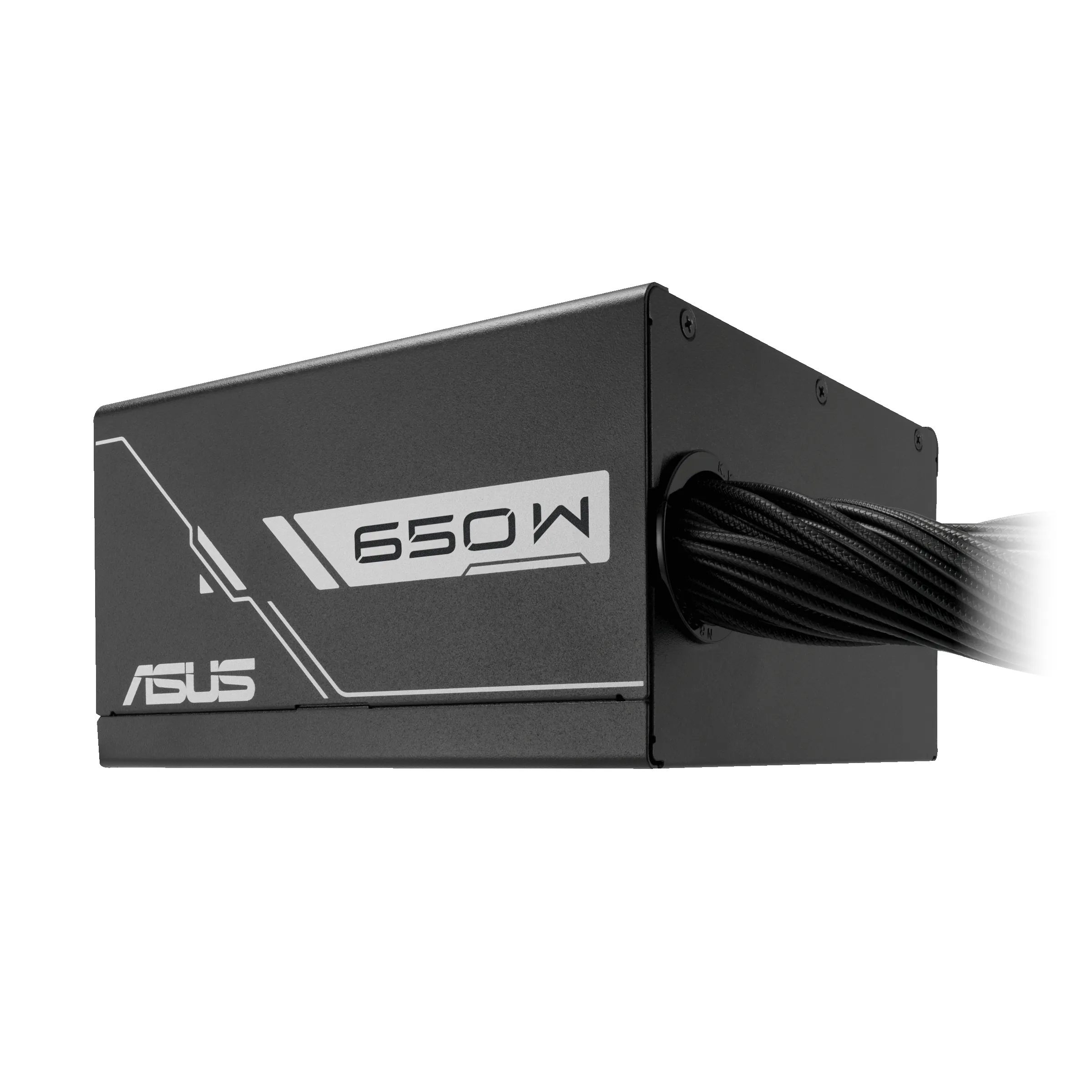
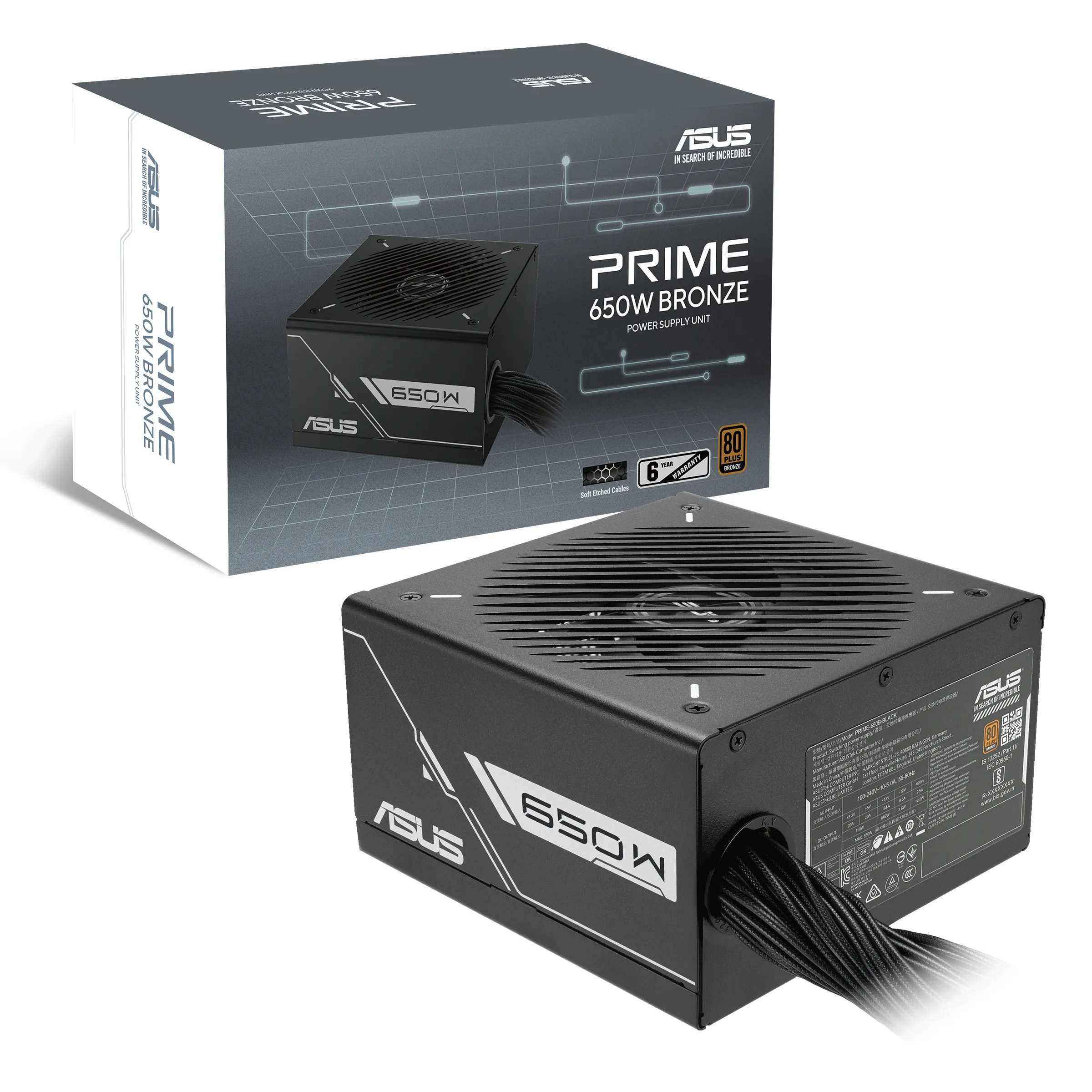
The power supply market features several manufacturers known for technical reliability and long warranty periods. Key players include Seasonic, Corsair, EVGA, be quiet!, and Asus.
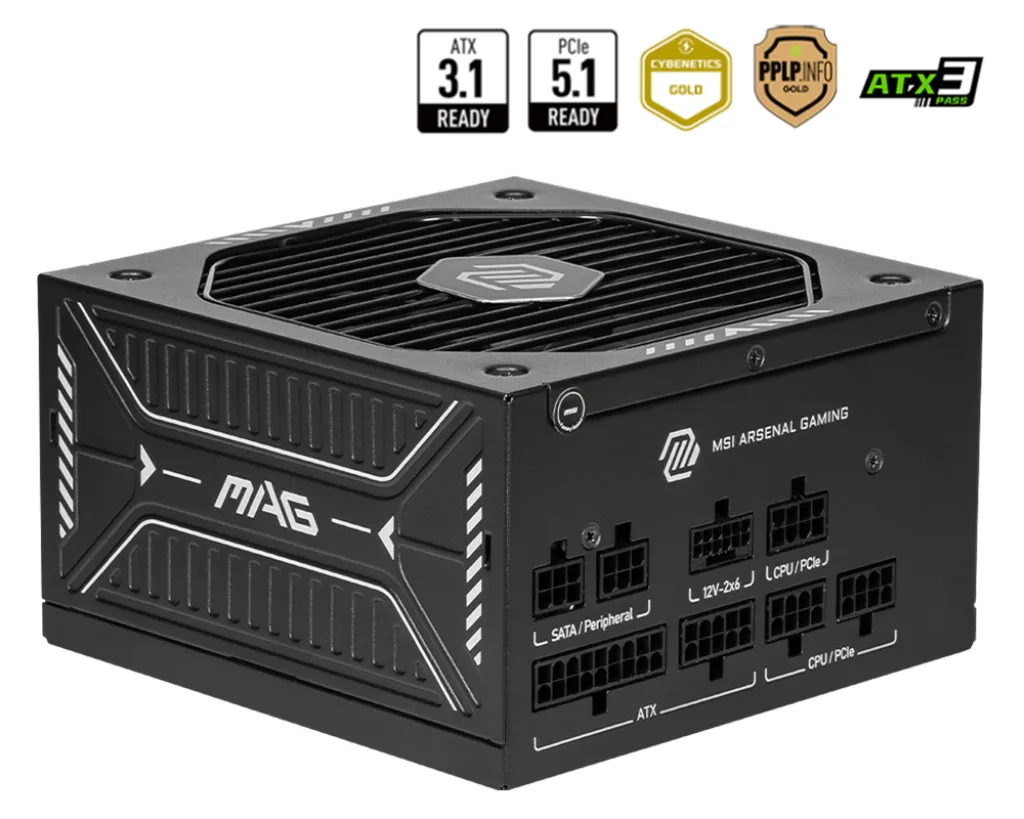
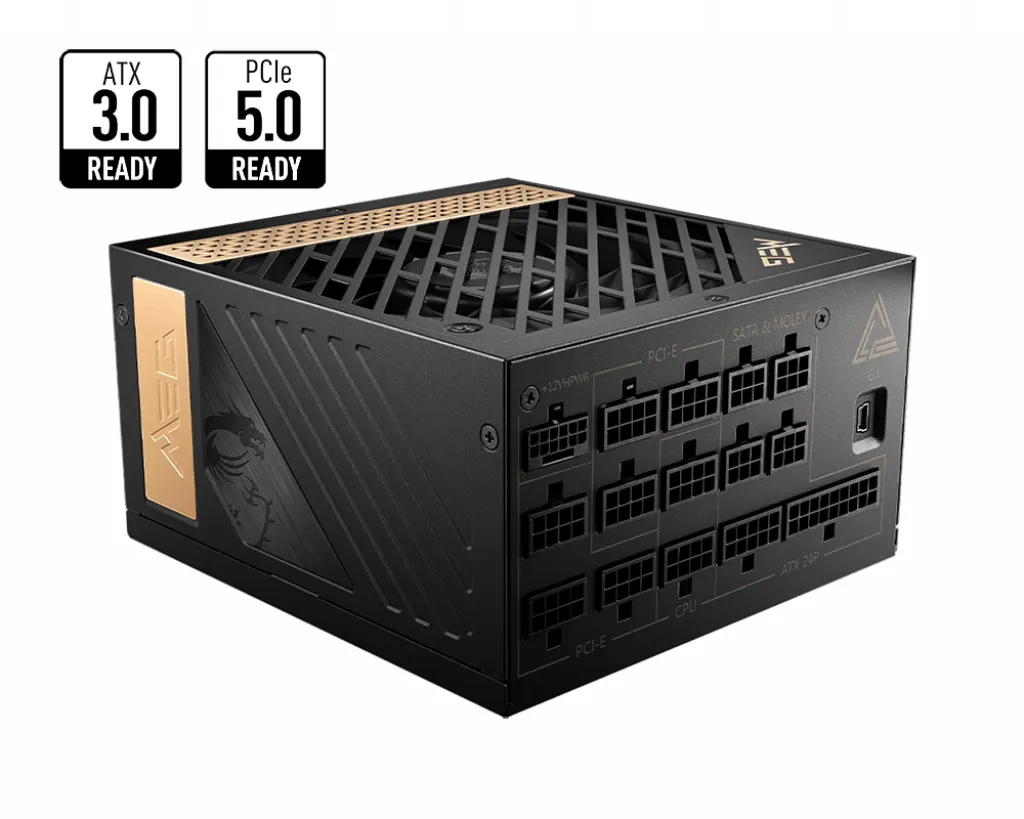
These manufacturers adhere to the ATX standard, which defines the physical dimensions and connections of the PSU. In 2026, the new ATX 3.0/3.1 standard has become widespread, designed specifically to handle the large transient power spikes of modern graphics cards by offering a native 12VHPWR connection.
Frequently Asked Questions (FAQ)
What is the benefit of 80 PLUS Gold certification compared to Bronze?
A Gold-certified PSU is more energy-efficient, meaning it wastes less electricity as heat. This results in a lower electricity bill, less thermal load inside the case, and often higher-quality internal components, which extends the device's lifespan.
Why should you avoid undersizing the power supply?
If a PSU is forced to operate constantly near its maximum capacity, heat generation increases and fan noise rises. In the worst-case scenario, an undersized PSU can cause system crashes or damage other components during an overload.
What do "Single Rail" and "Multi Rail" mean?
In a Single Rail PSU, all power is available through a single 12V rail, simplifying power distribution to power-hungry components. In Multi Rail models, power is split across several rails, which can provide additional safety by triggering protections more sensitively during a short circuit.