
PC Components
Computer components form the heart of the hardware, and their selection determines the system's power, stability, and future upgradeability. Whether you are building a high-end gaming rig, a workstation for creative tasks, or a quiet office PC, compatibility and balance between the parts are key. Modern components offer immense power, but utilizing them optimally requires an understanding of each area's significance.
What categories are included in a comprehensive system?
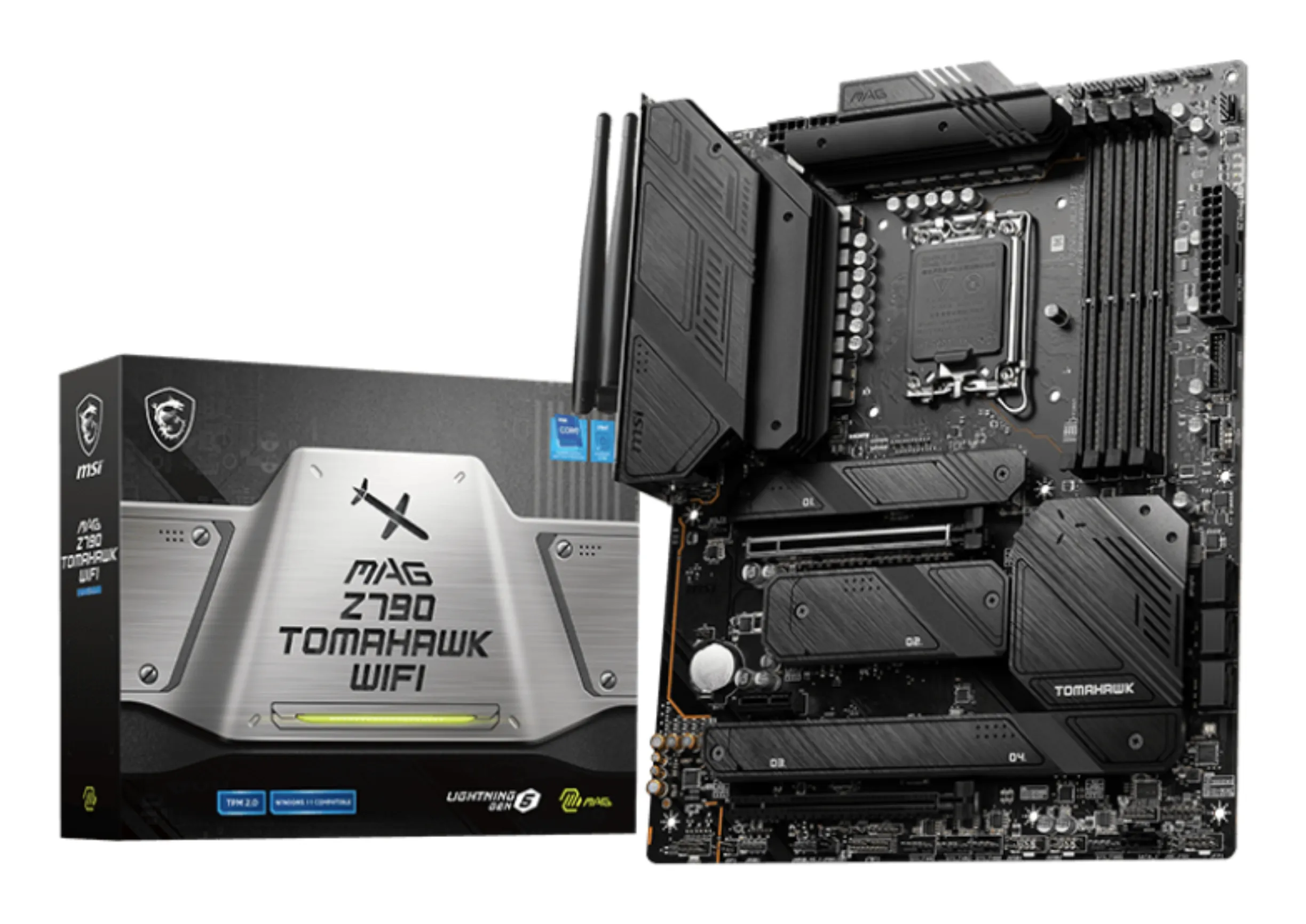
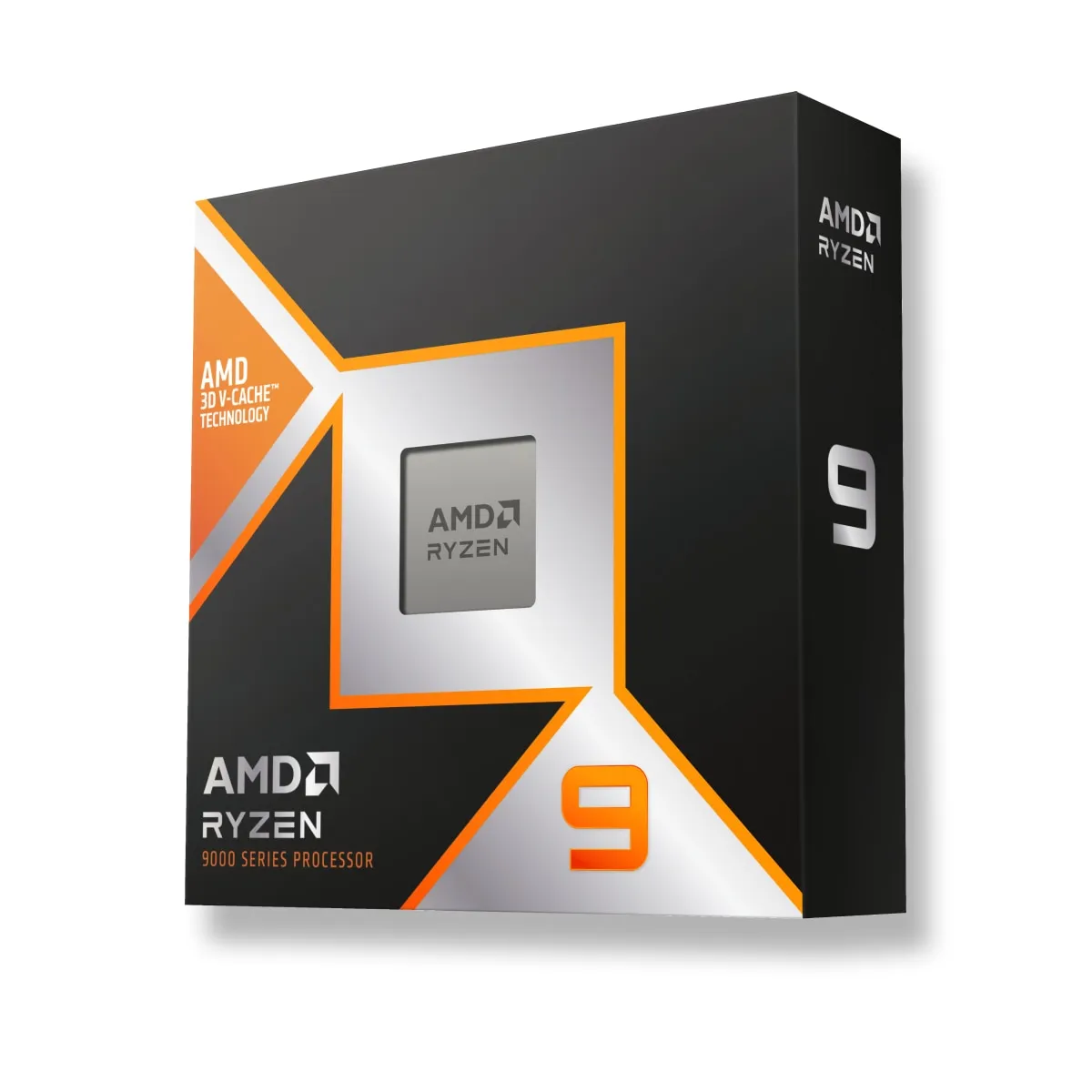
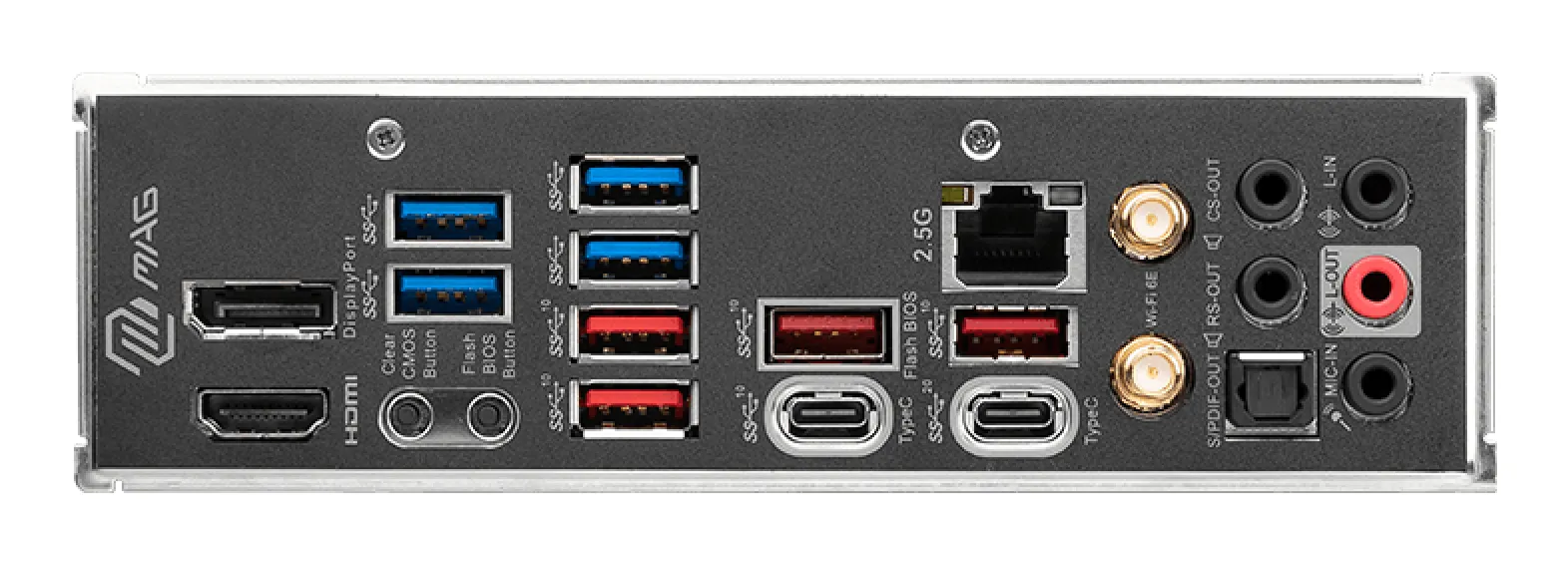
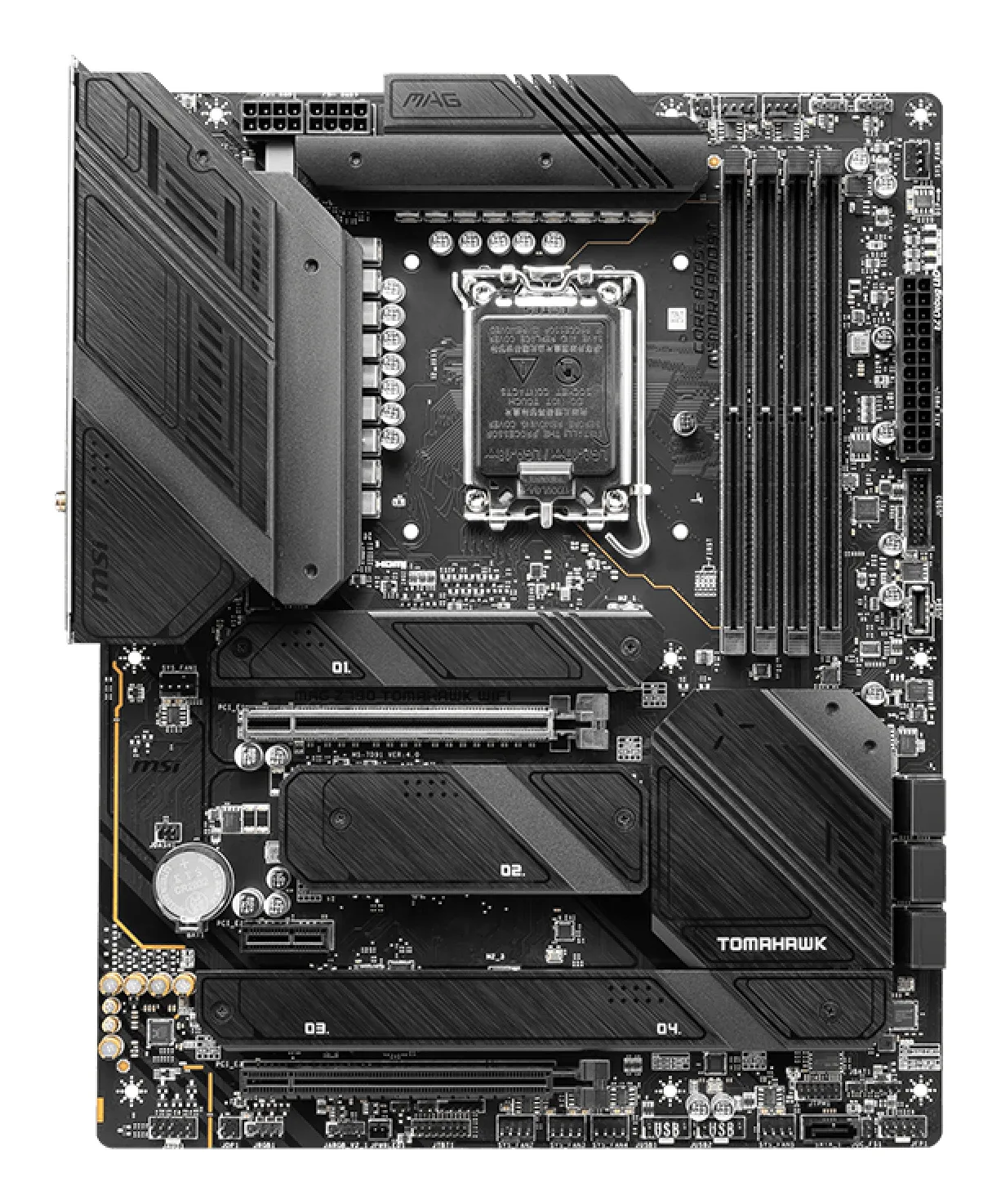
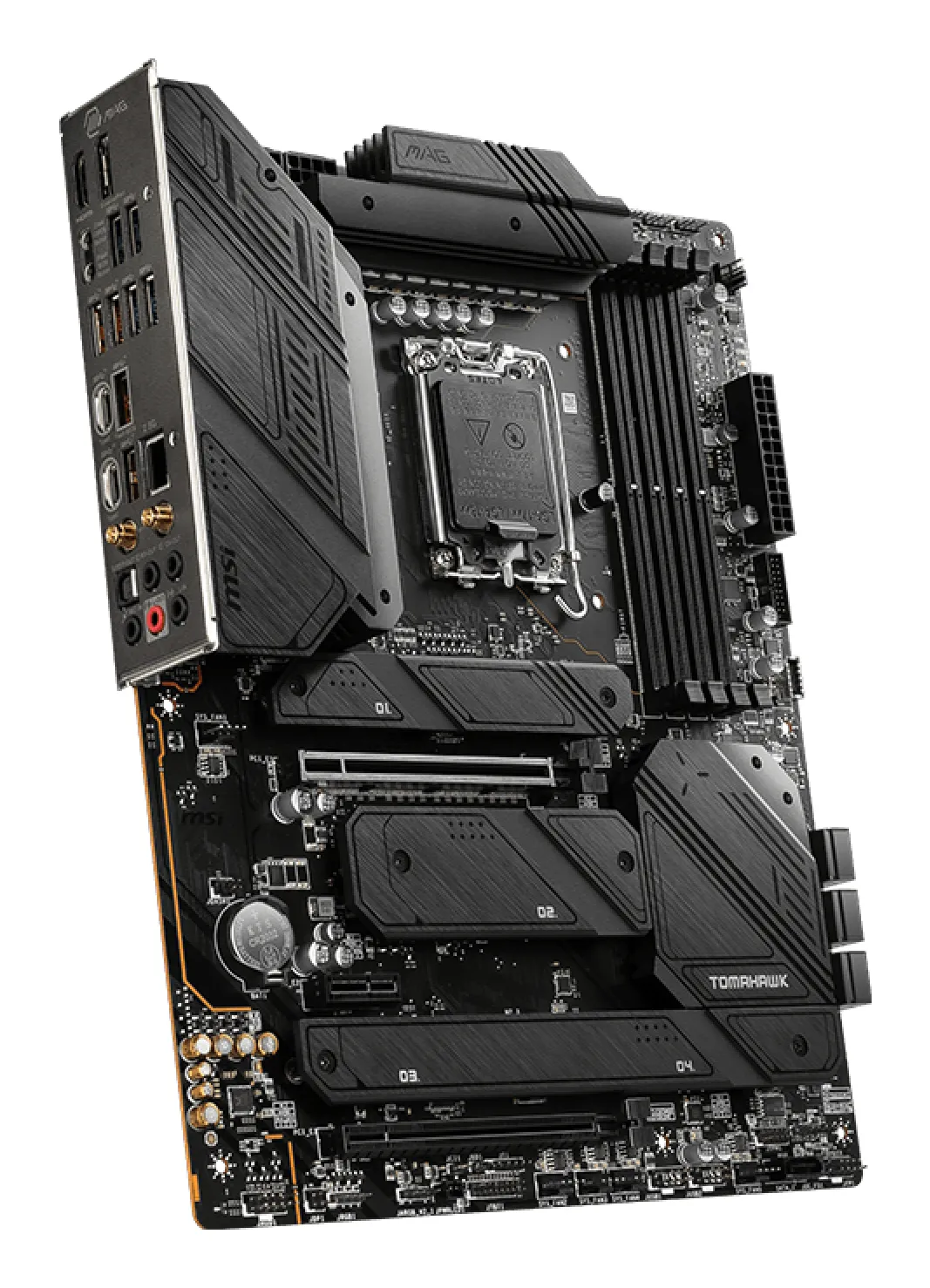
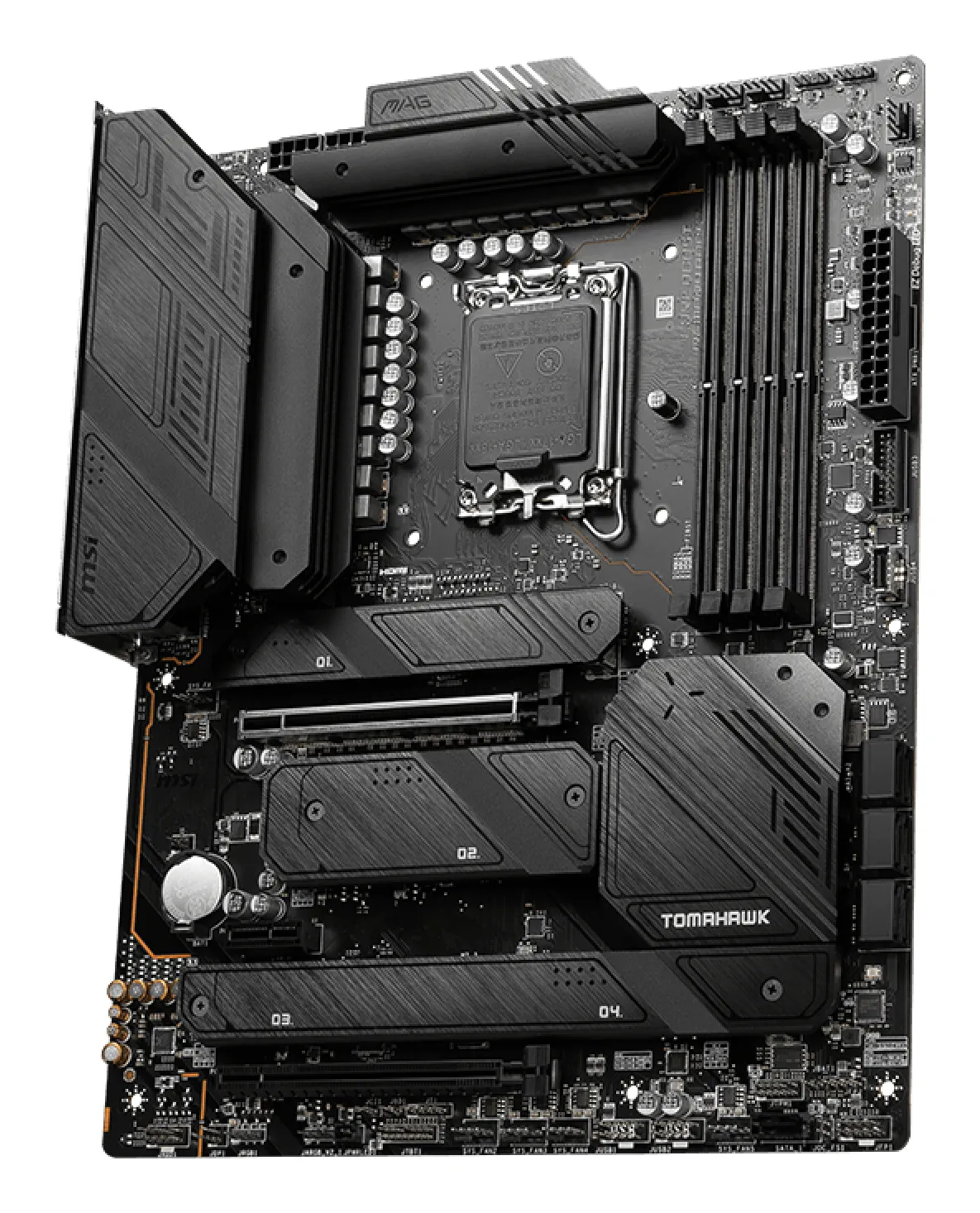
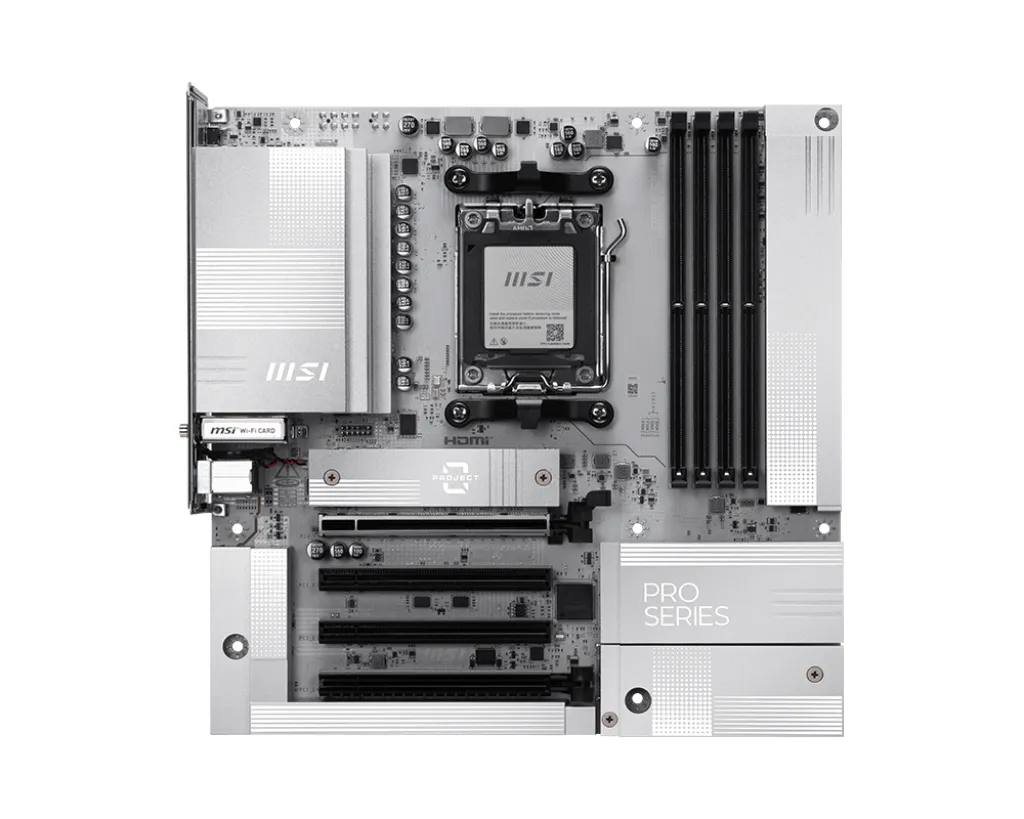
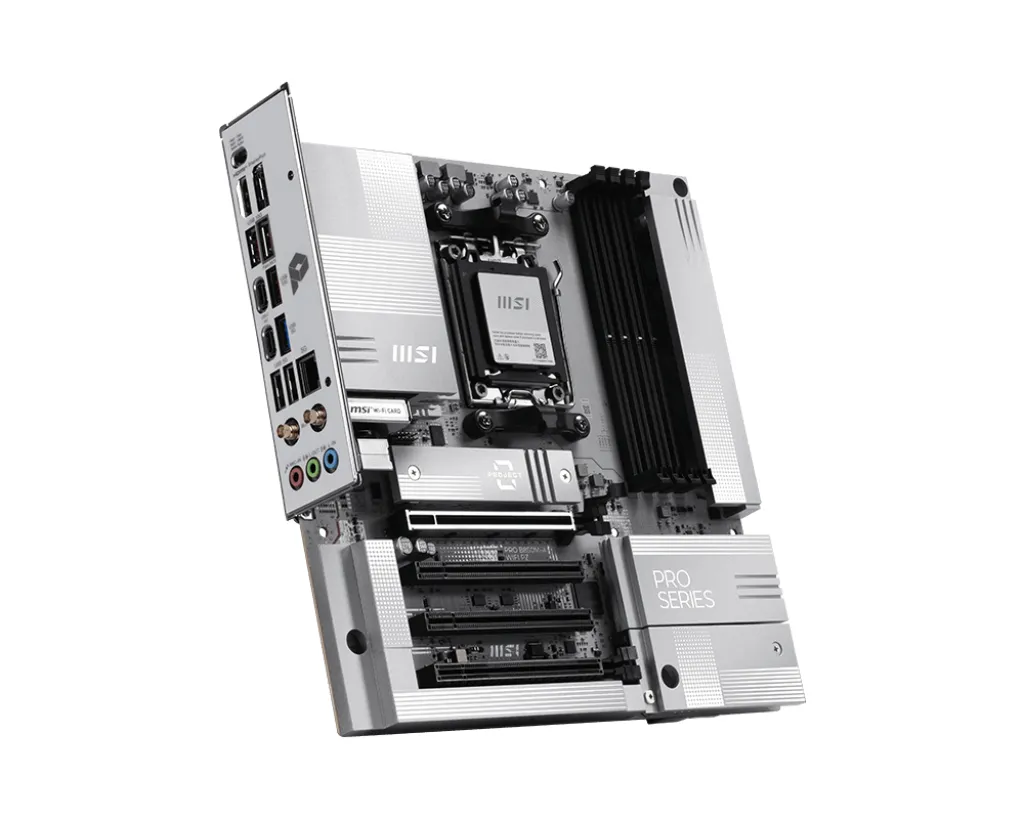
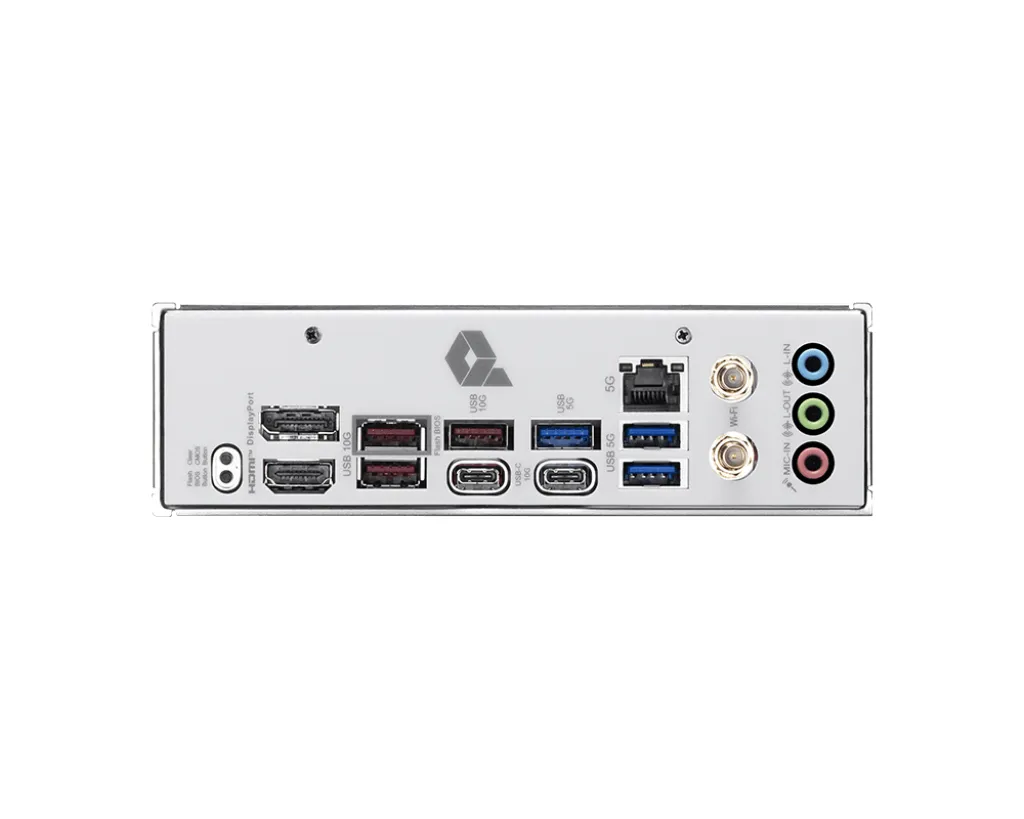
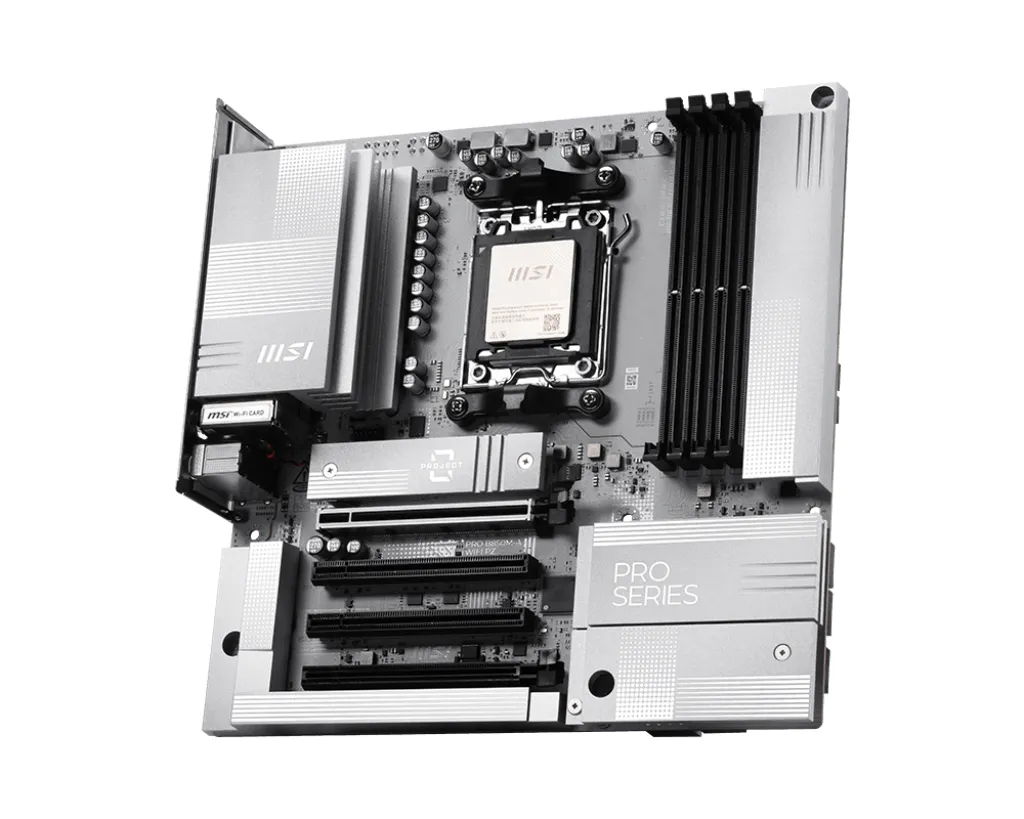
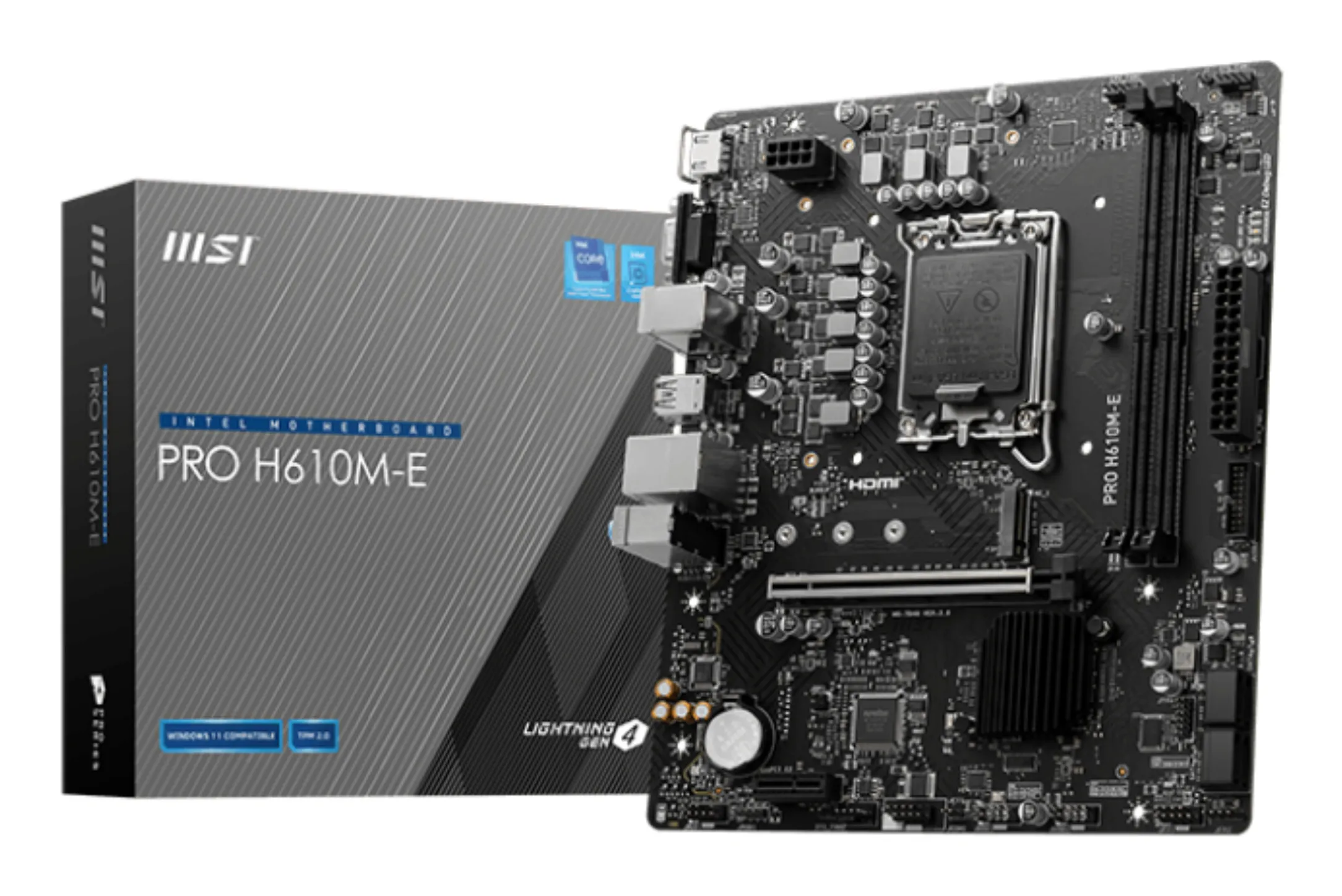
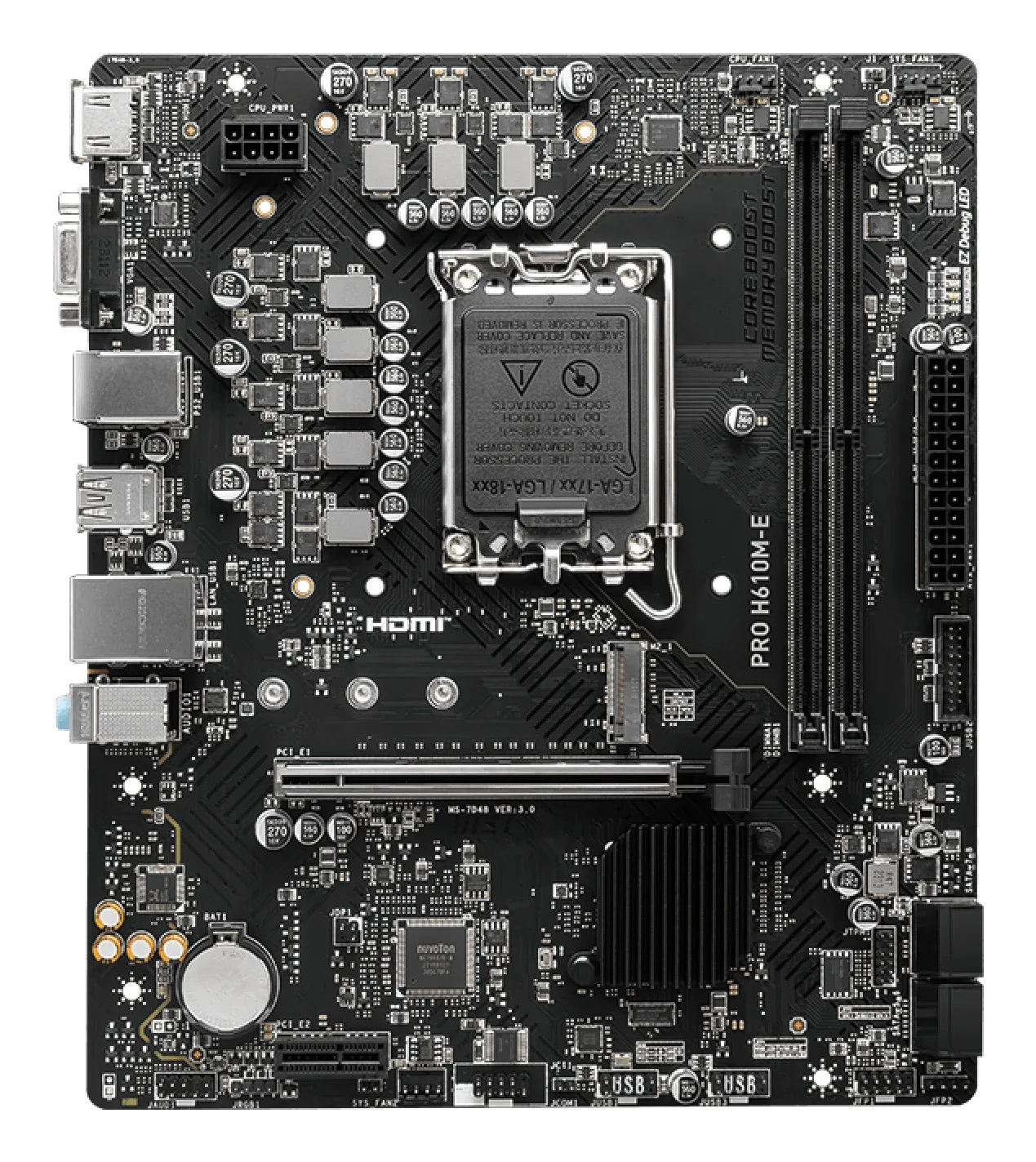
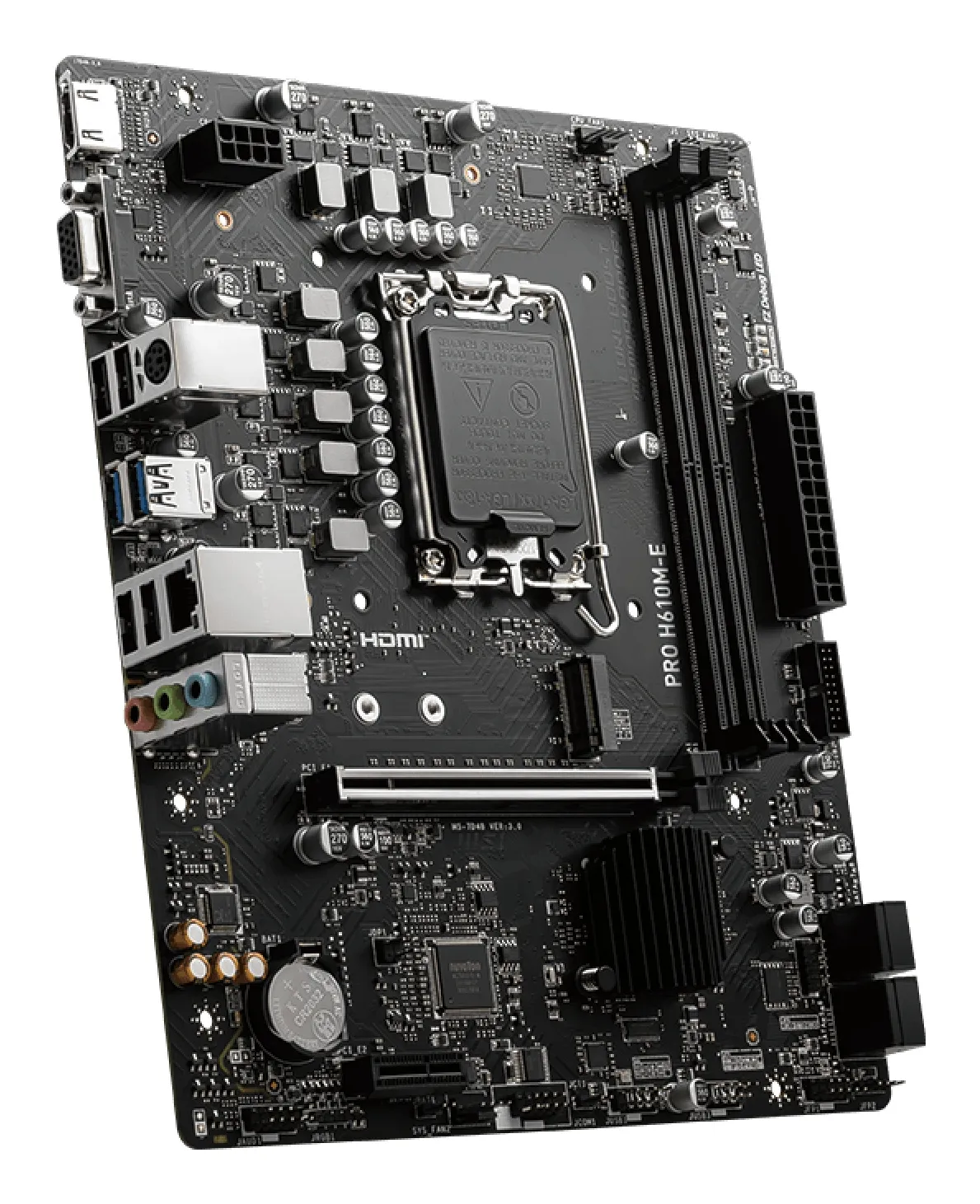
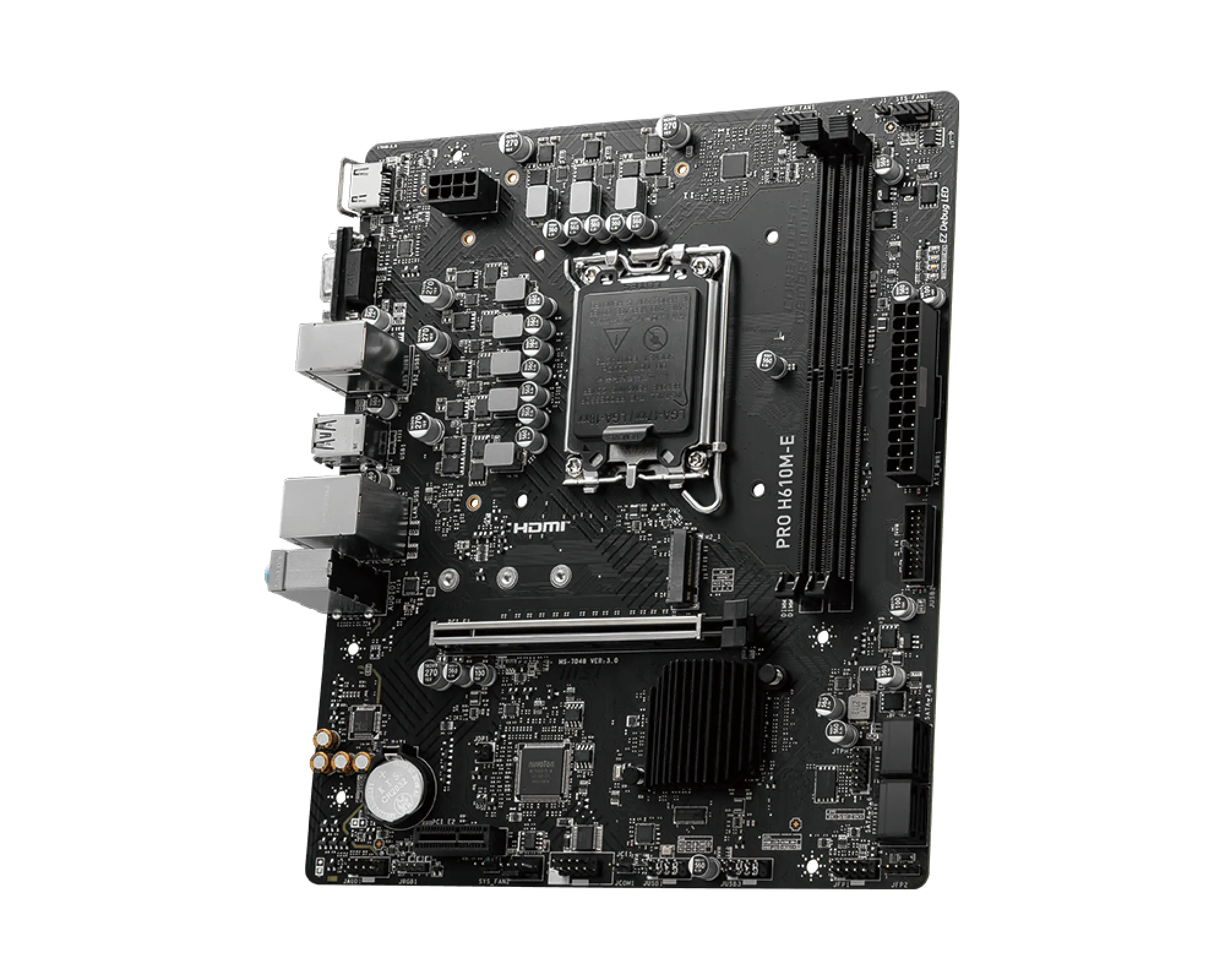
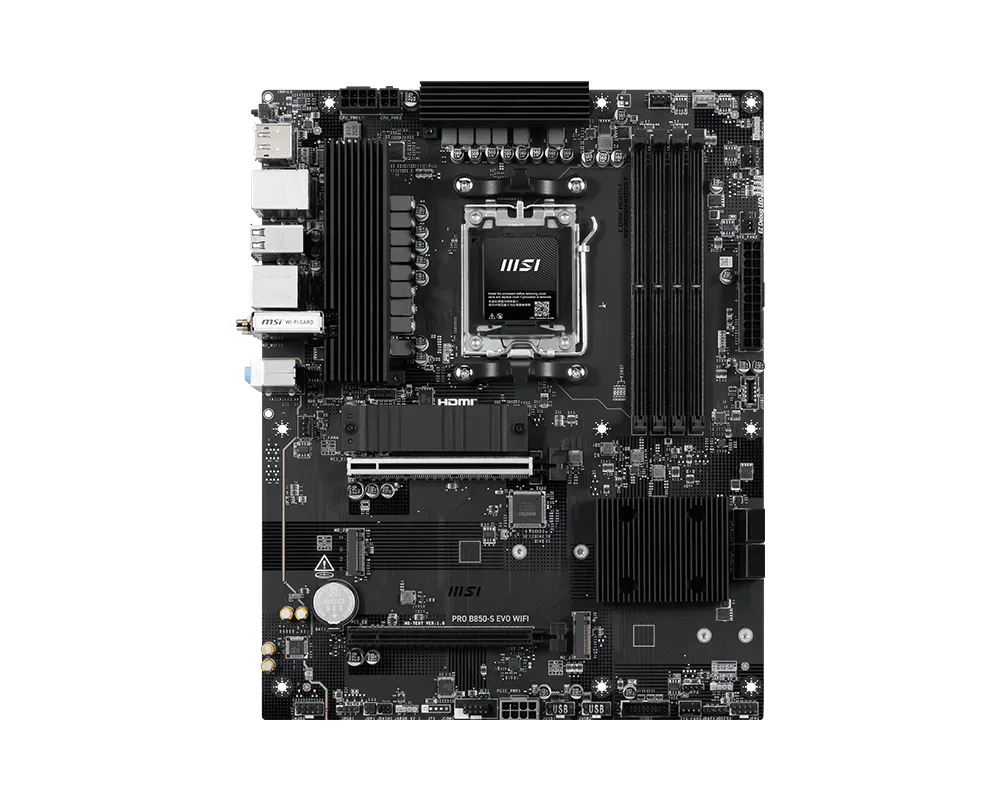
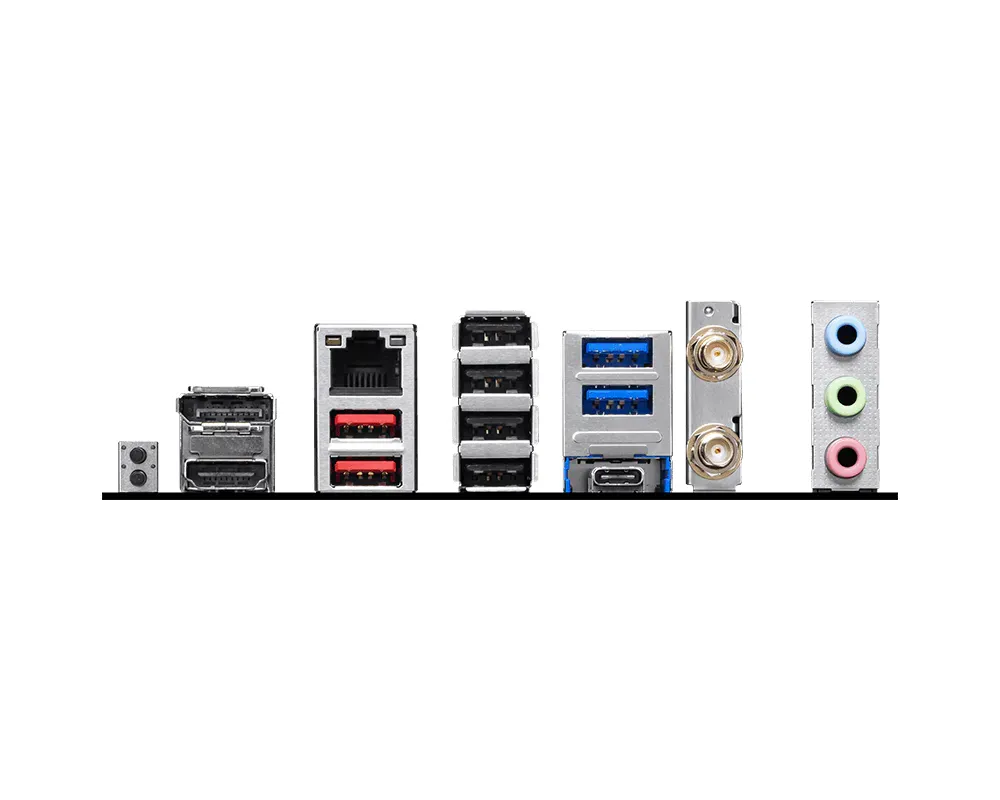
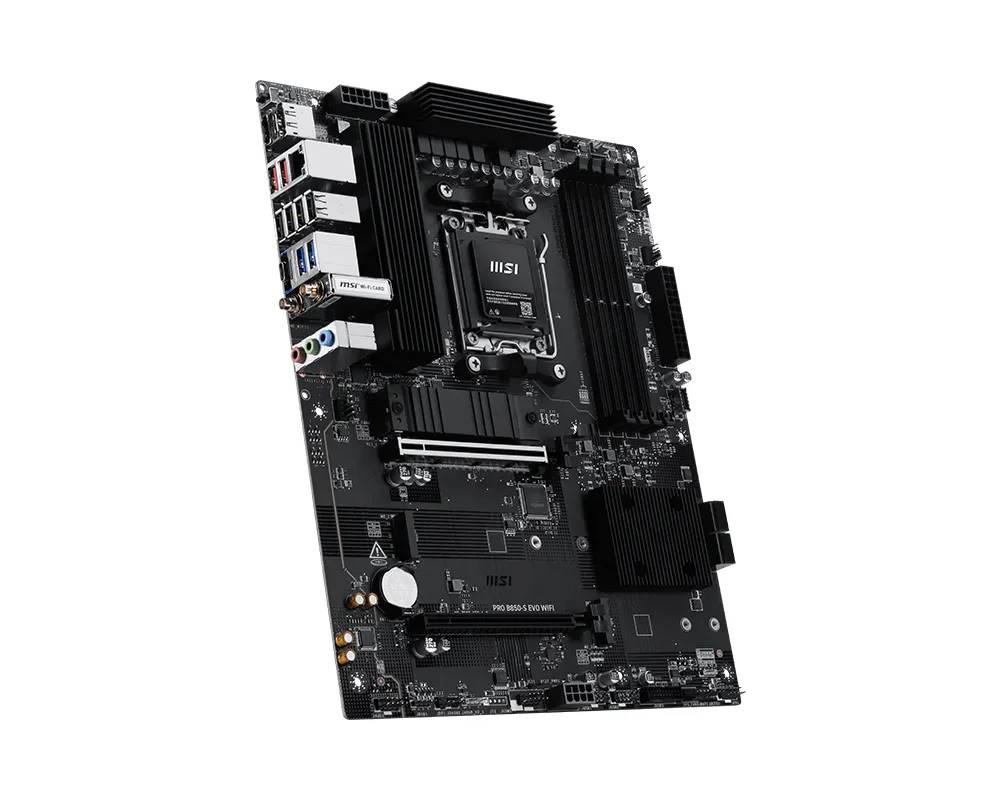
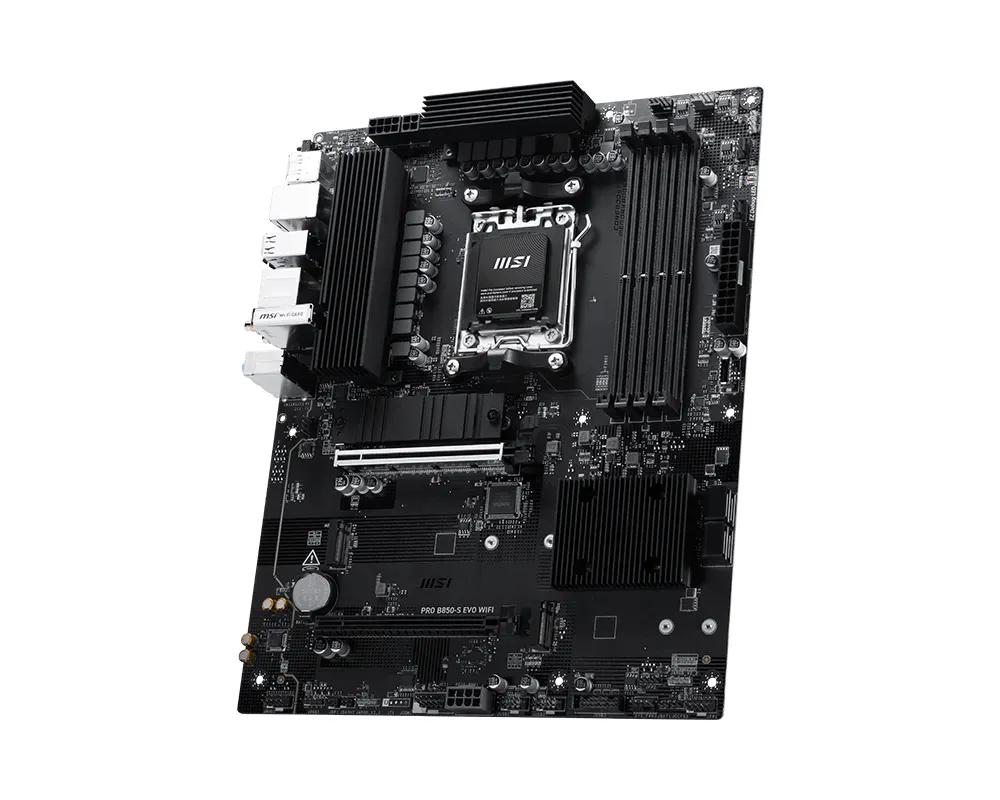
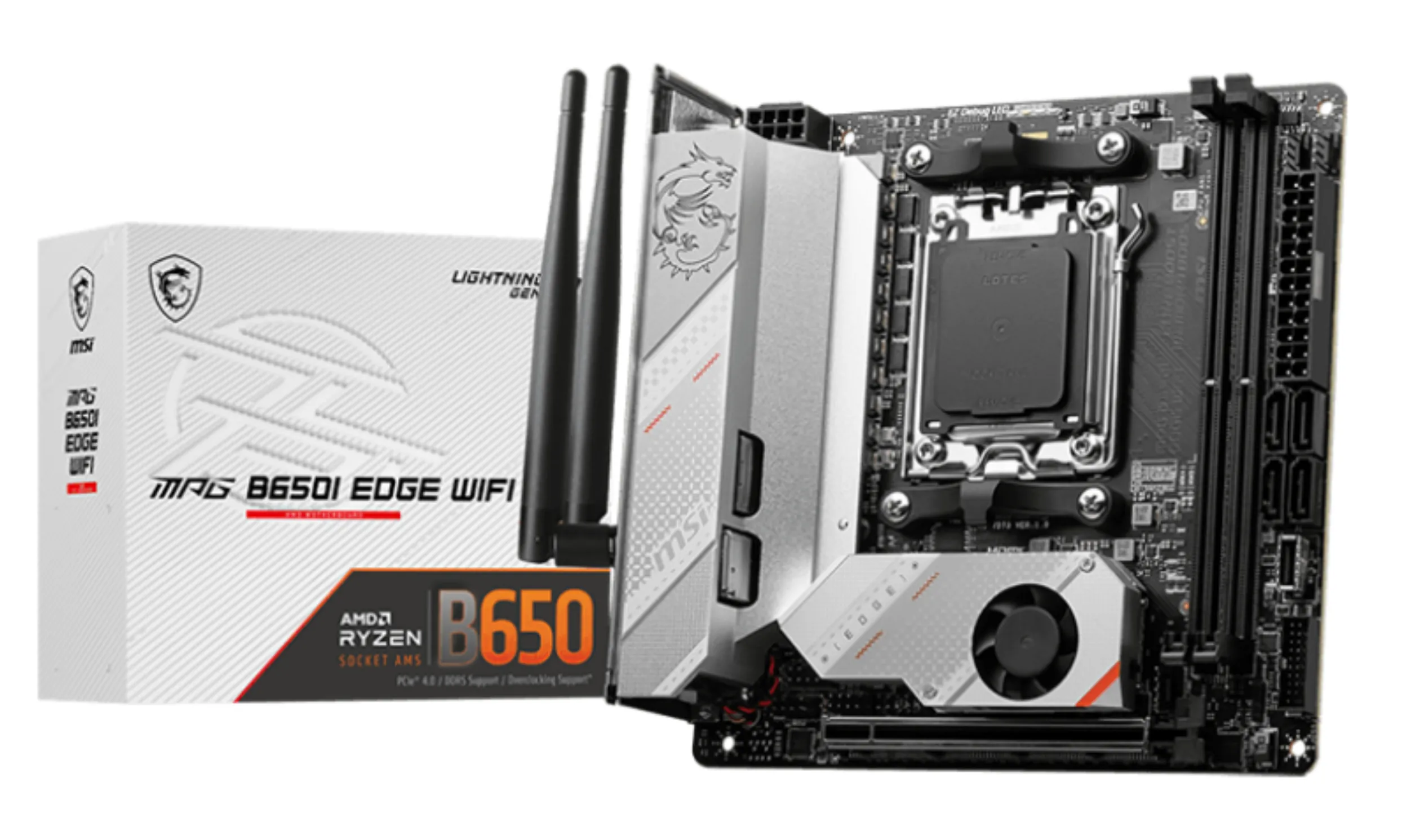
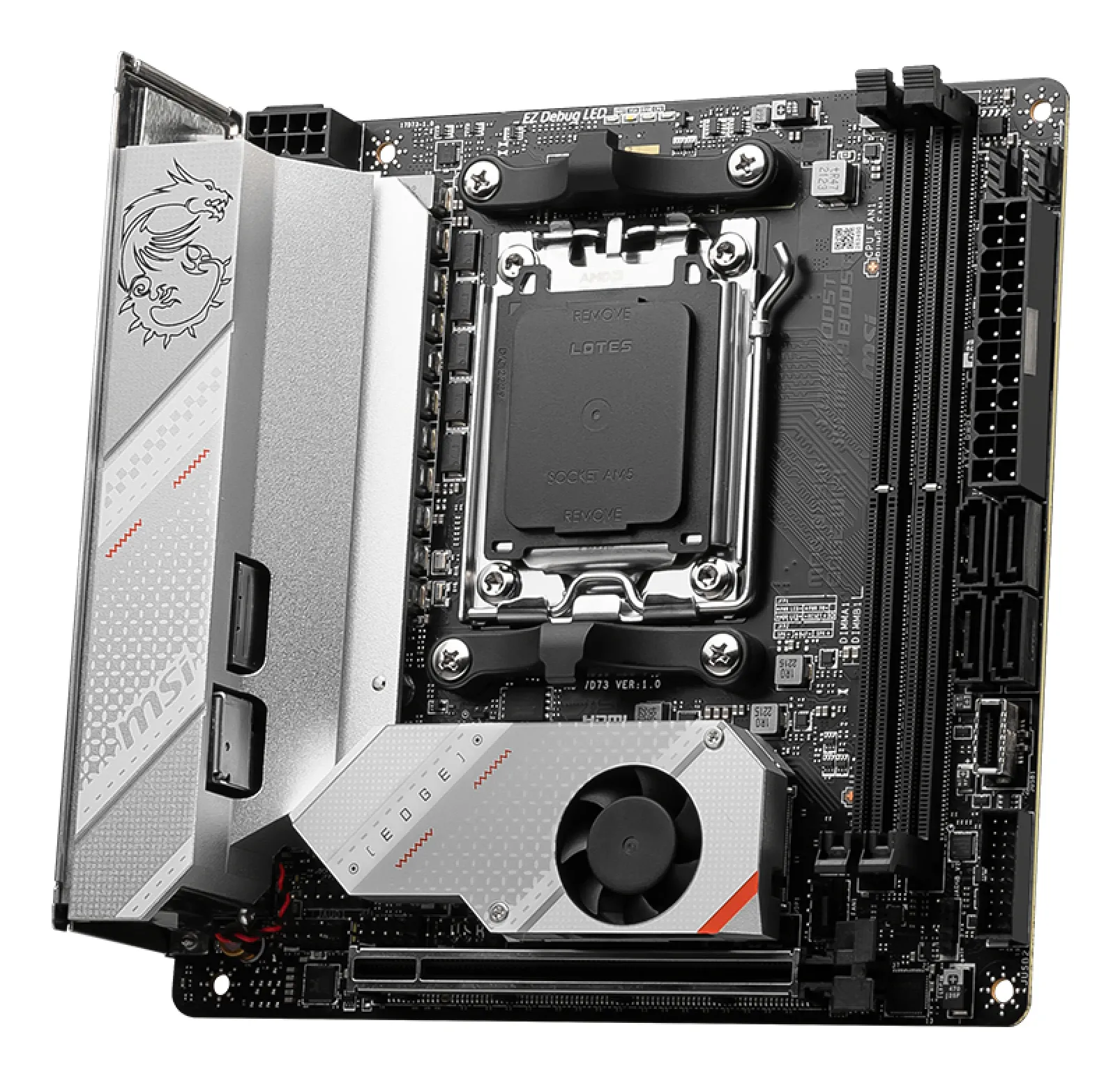
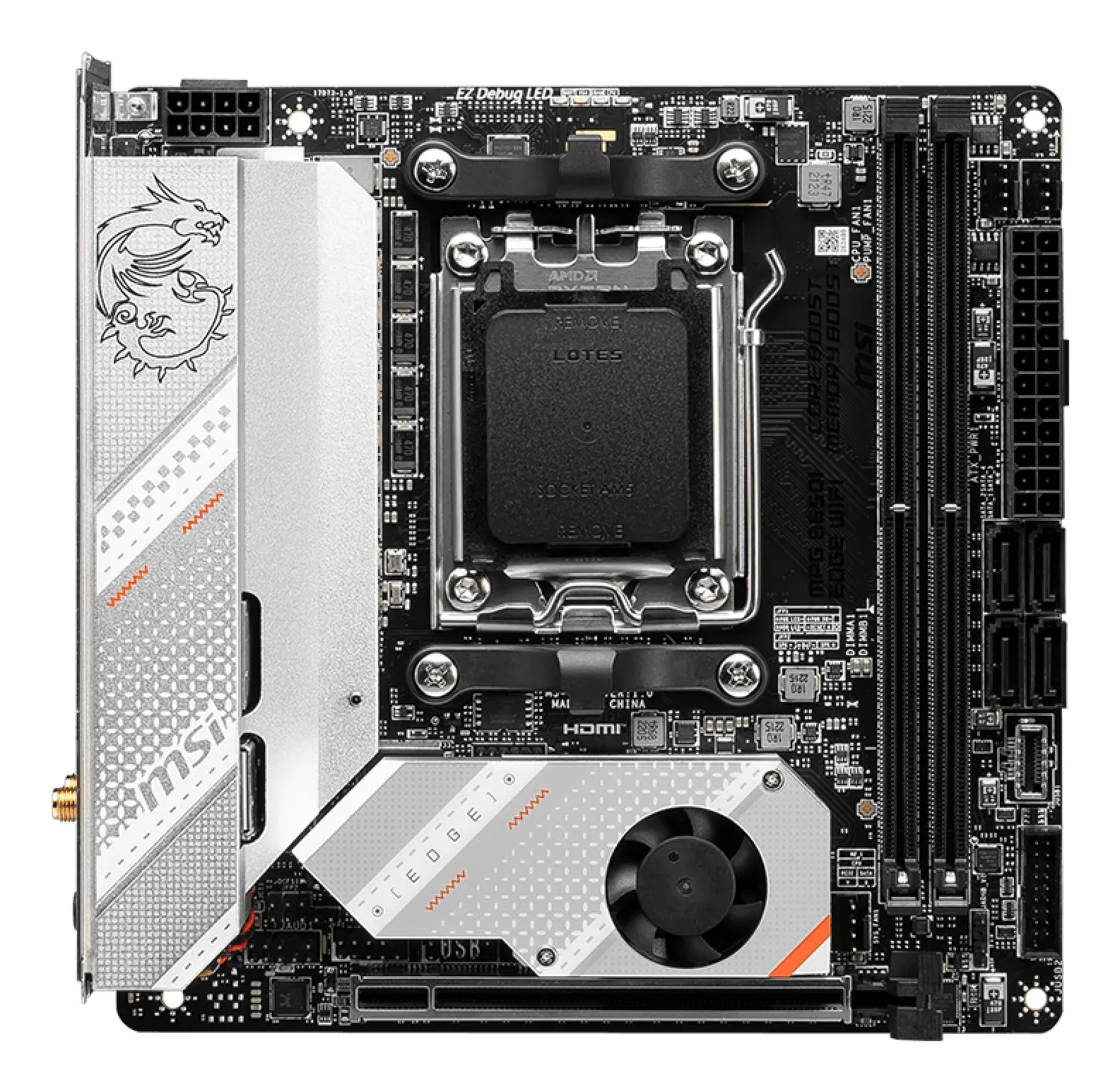
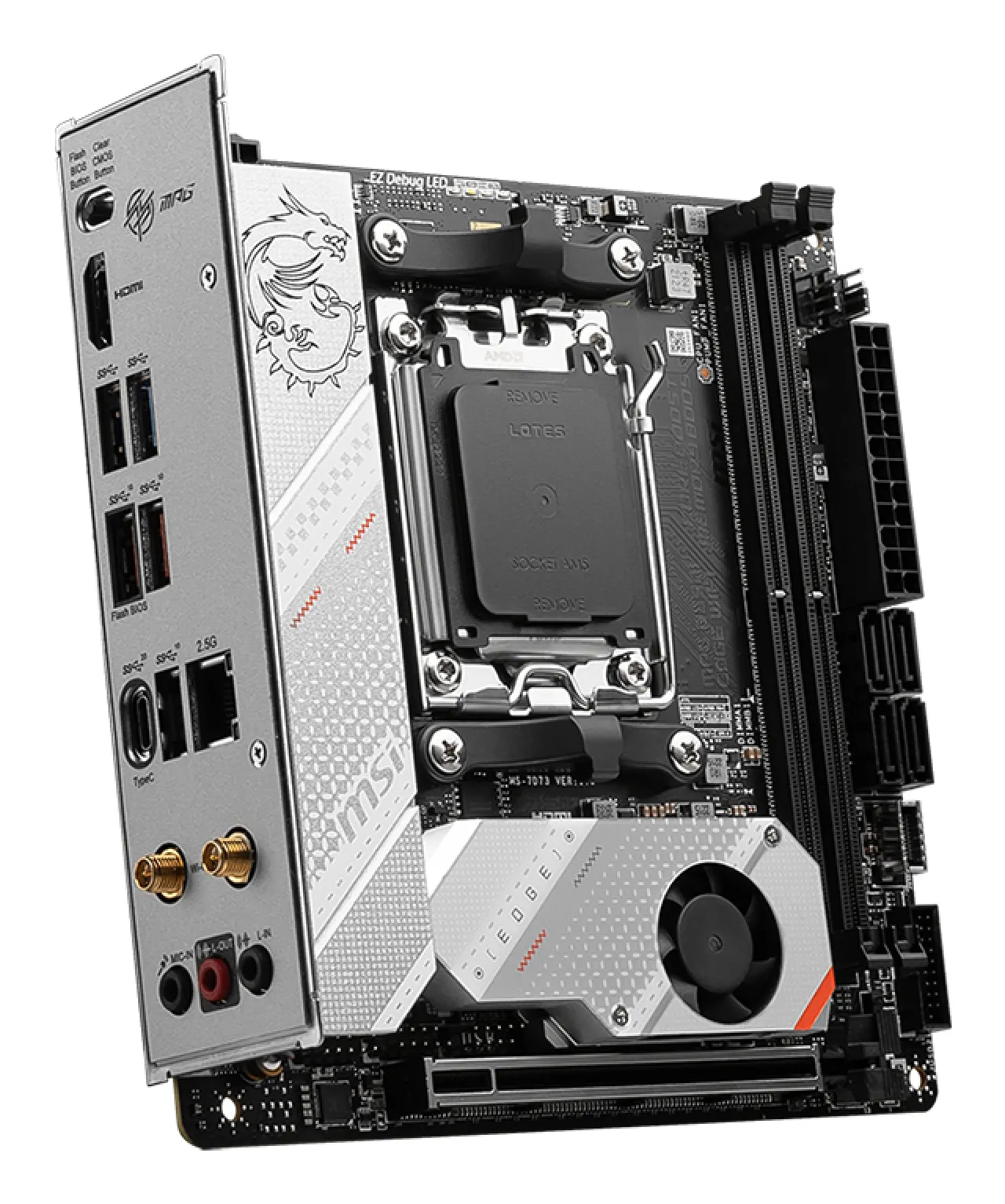
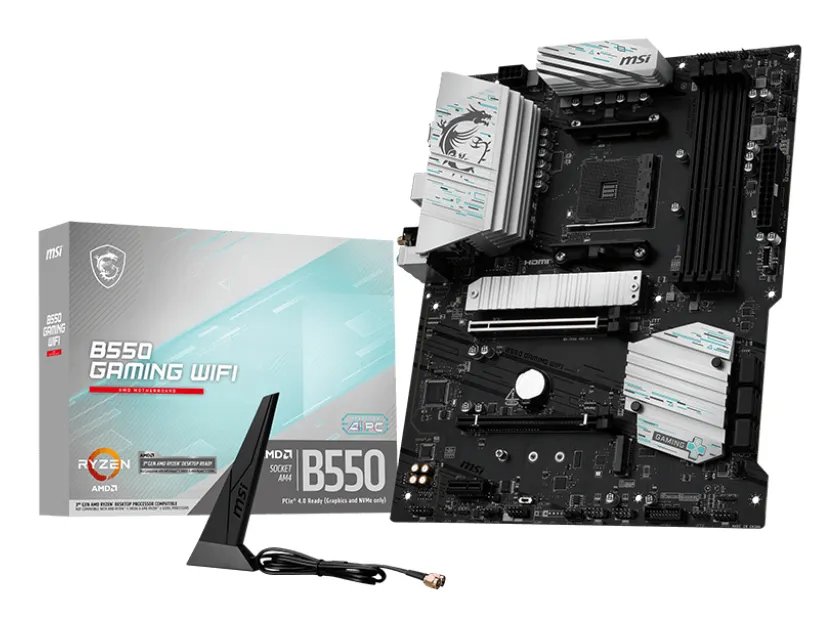
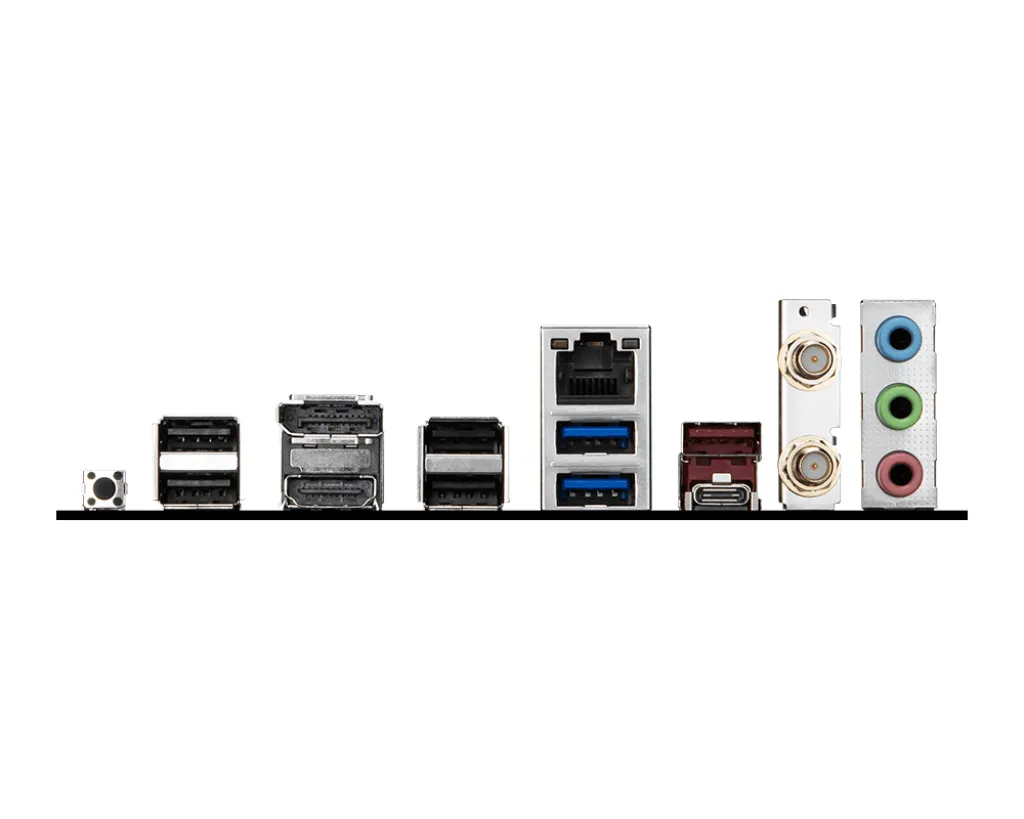
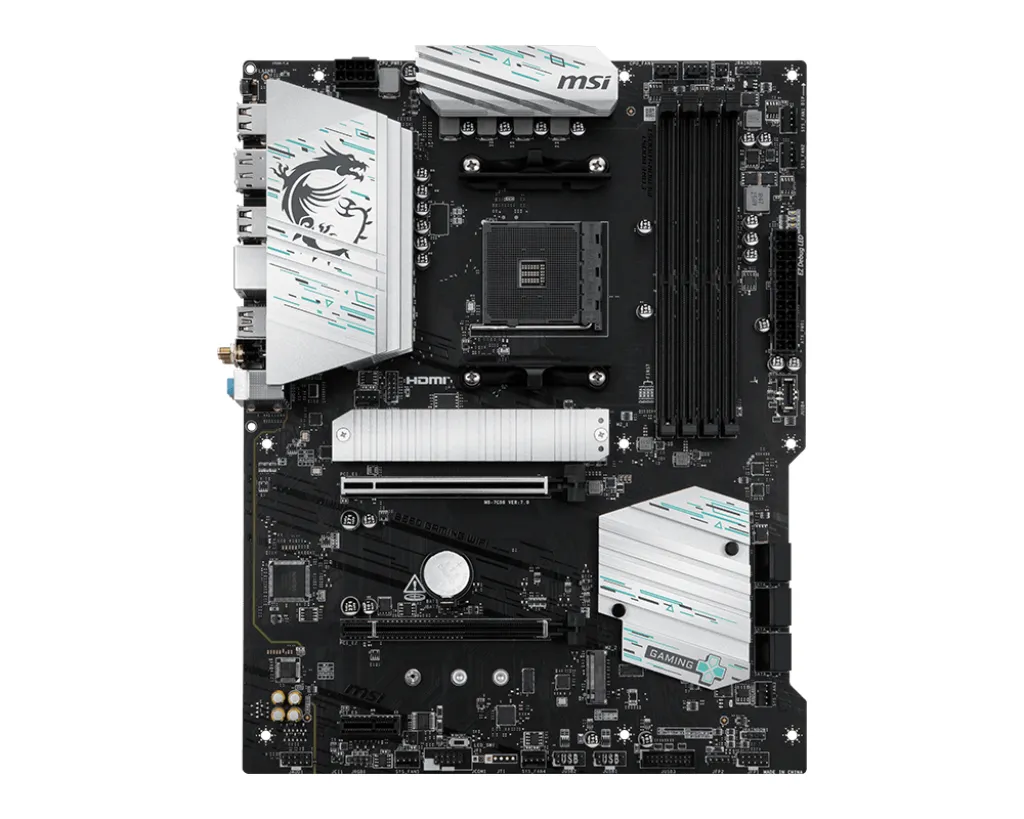
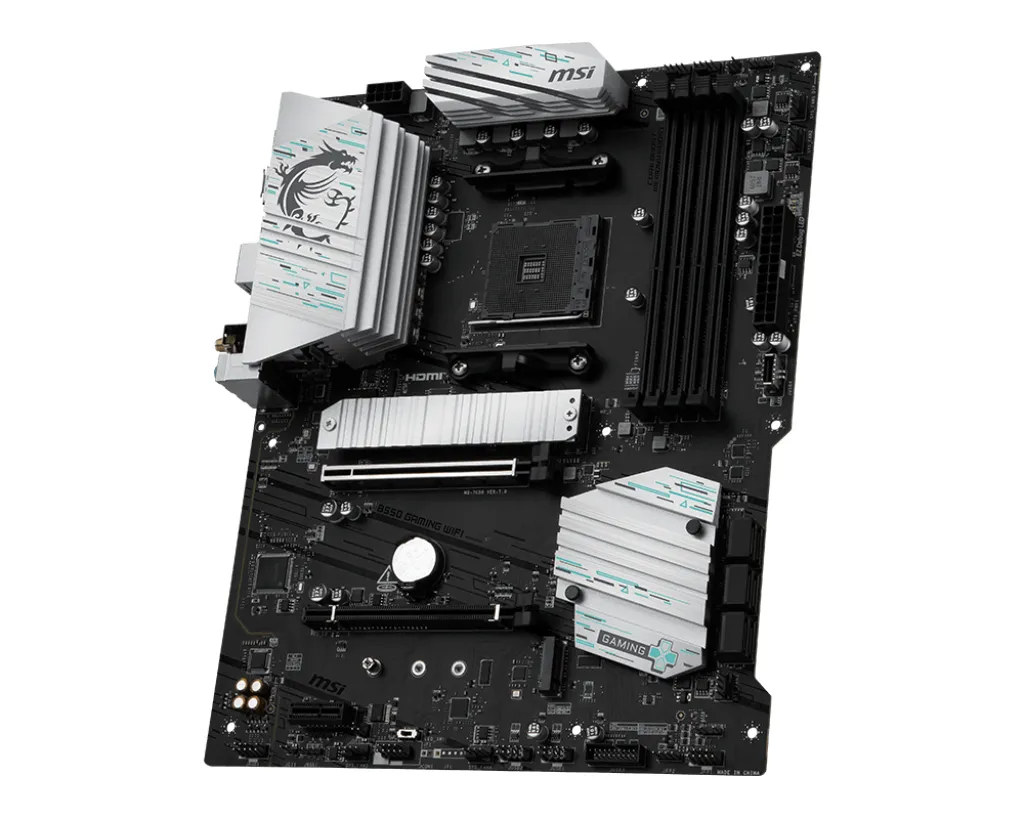
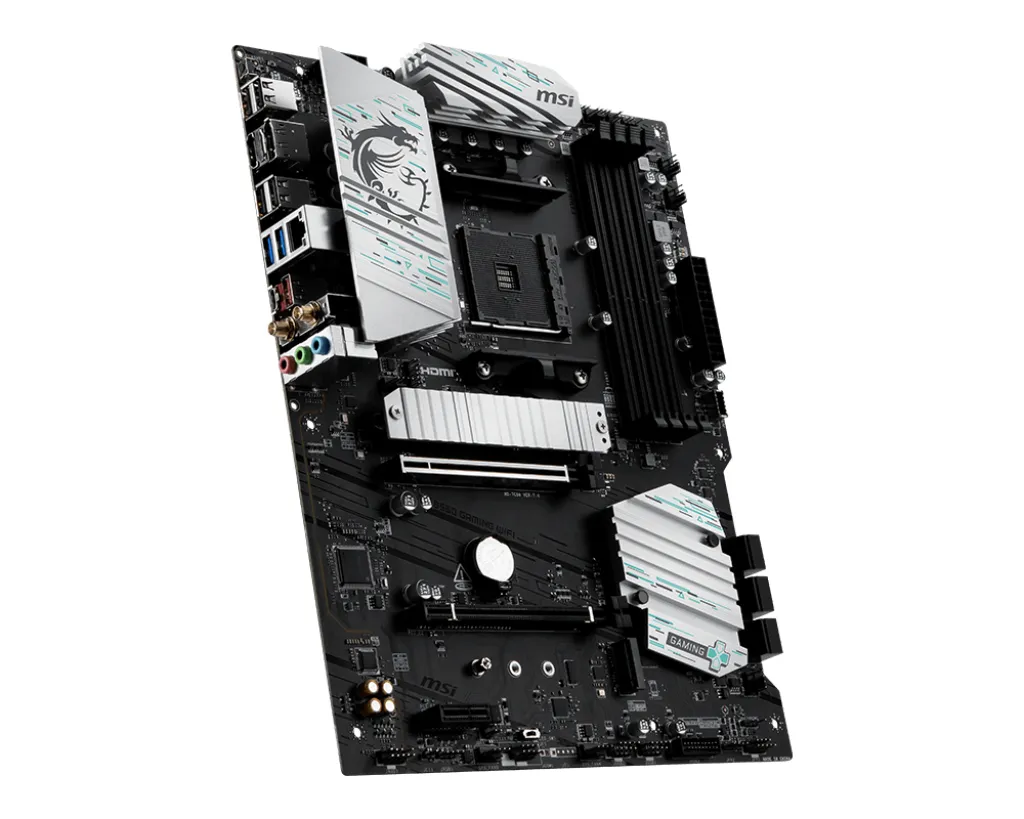
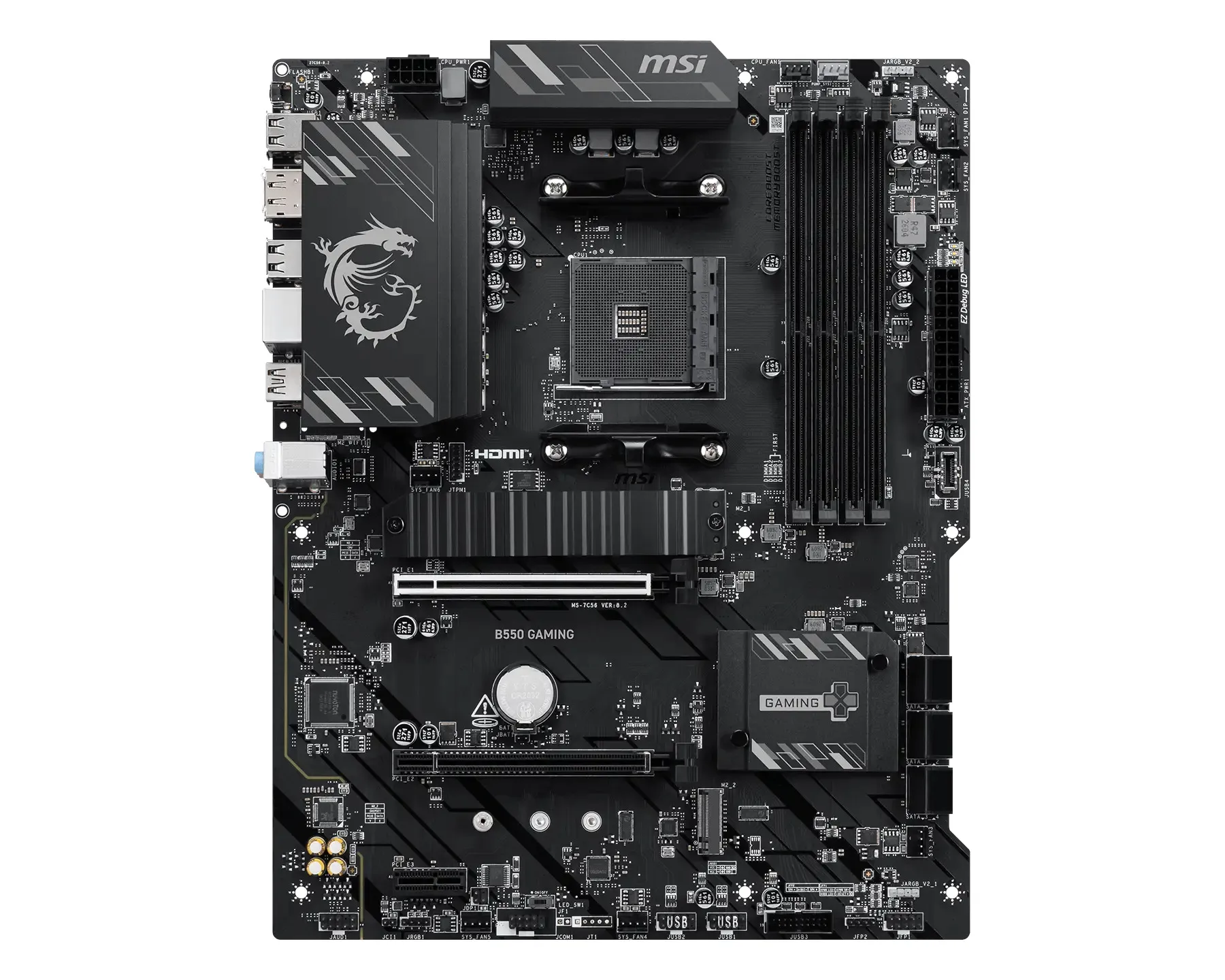
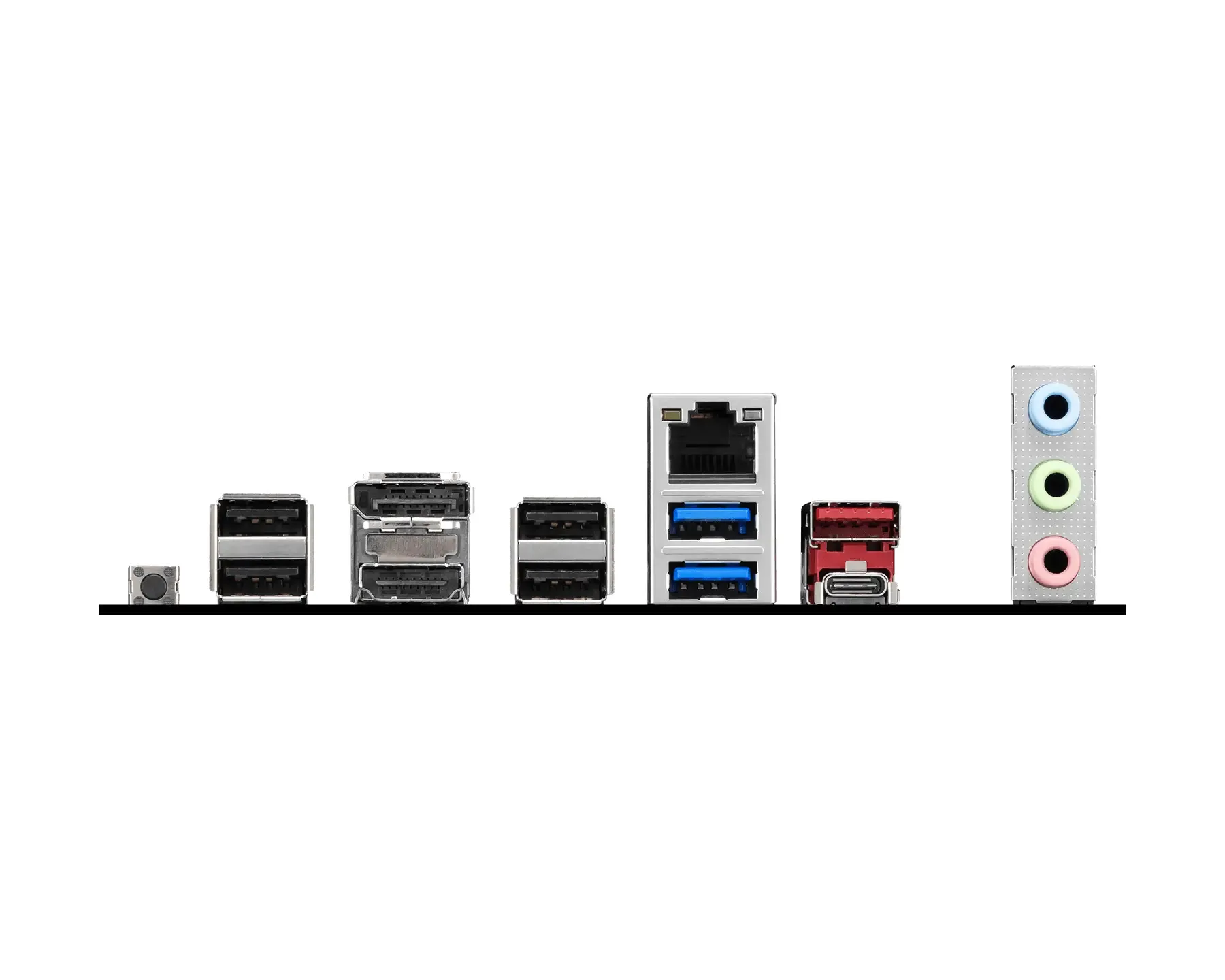
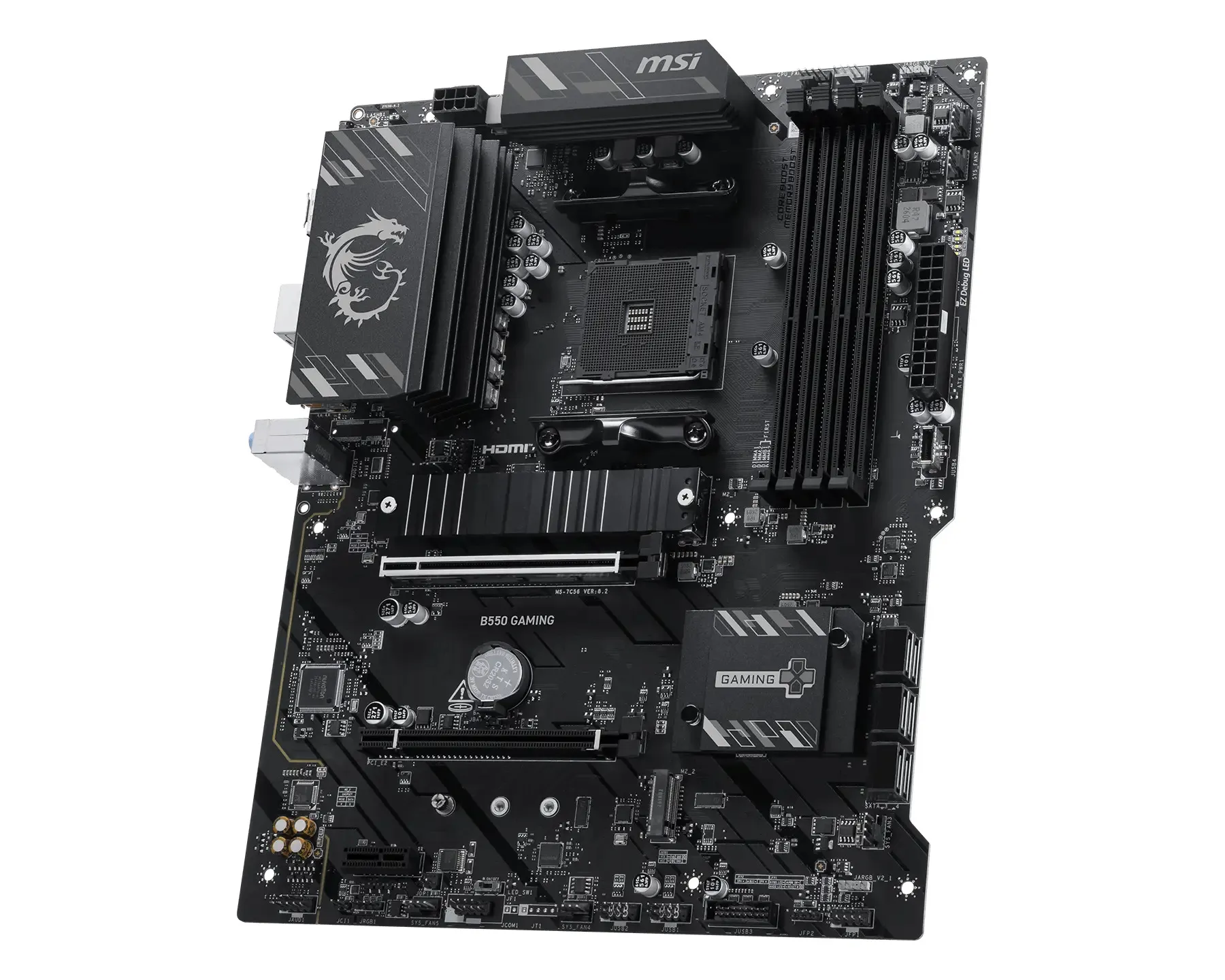
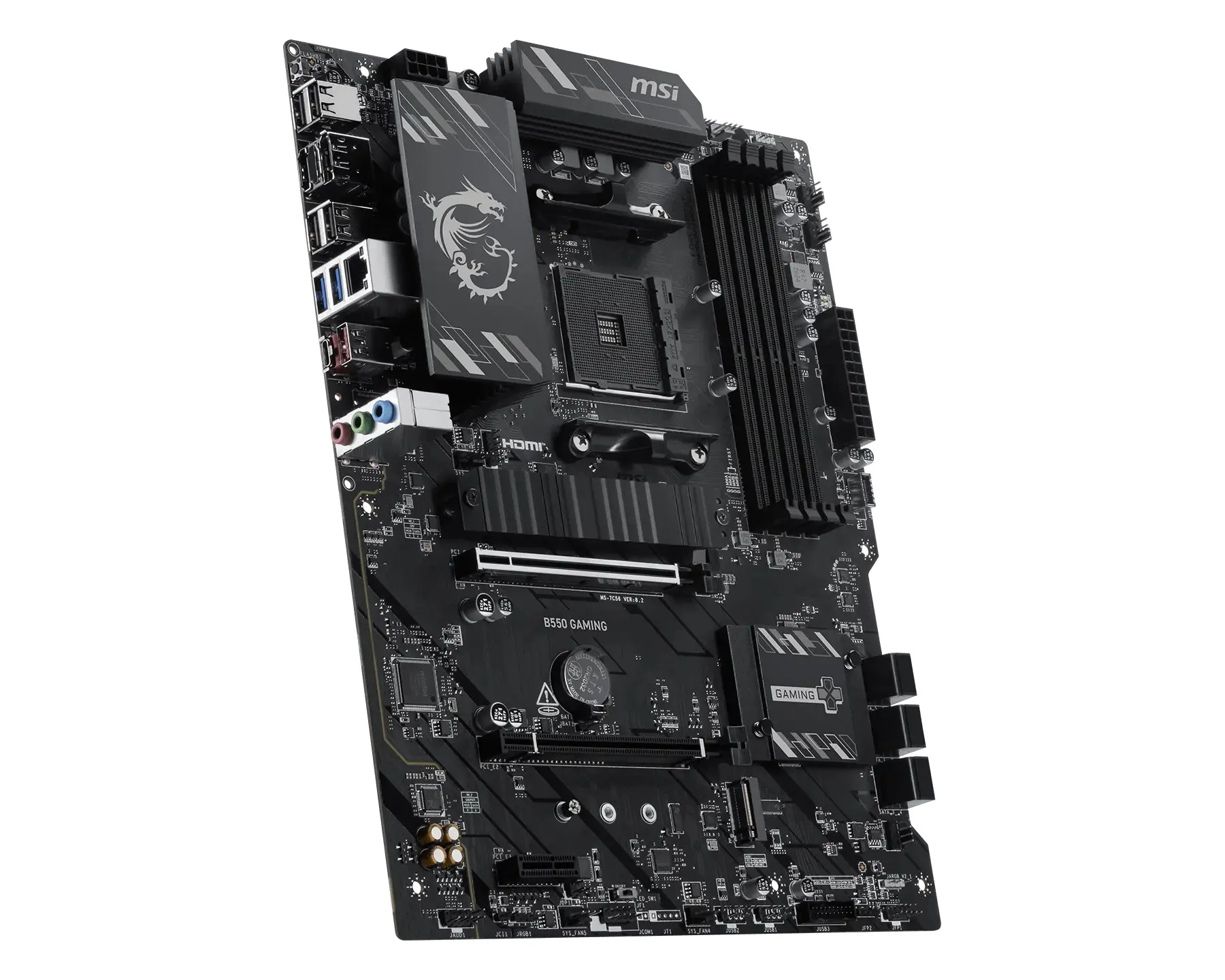
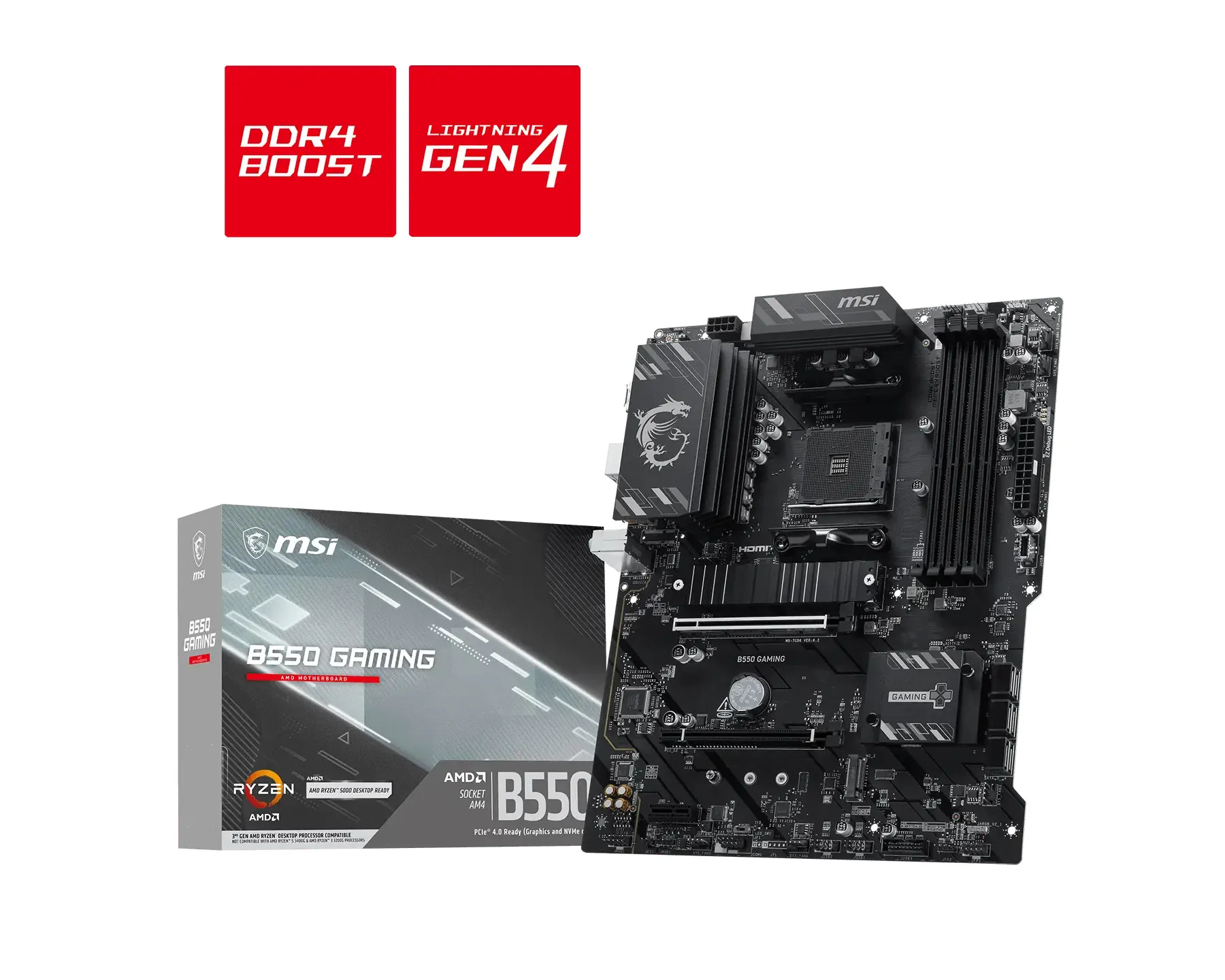
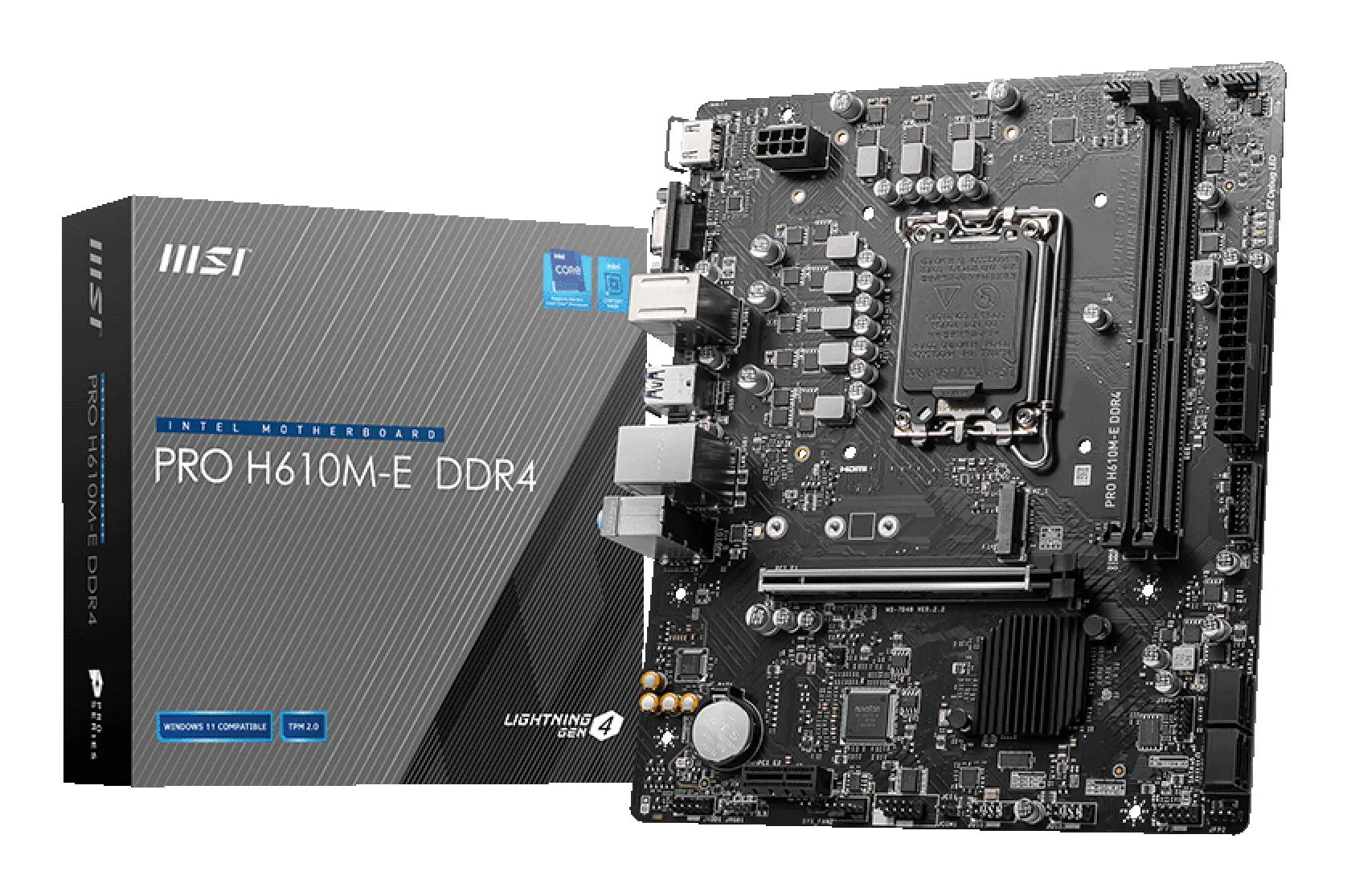
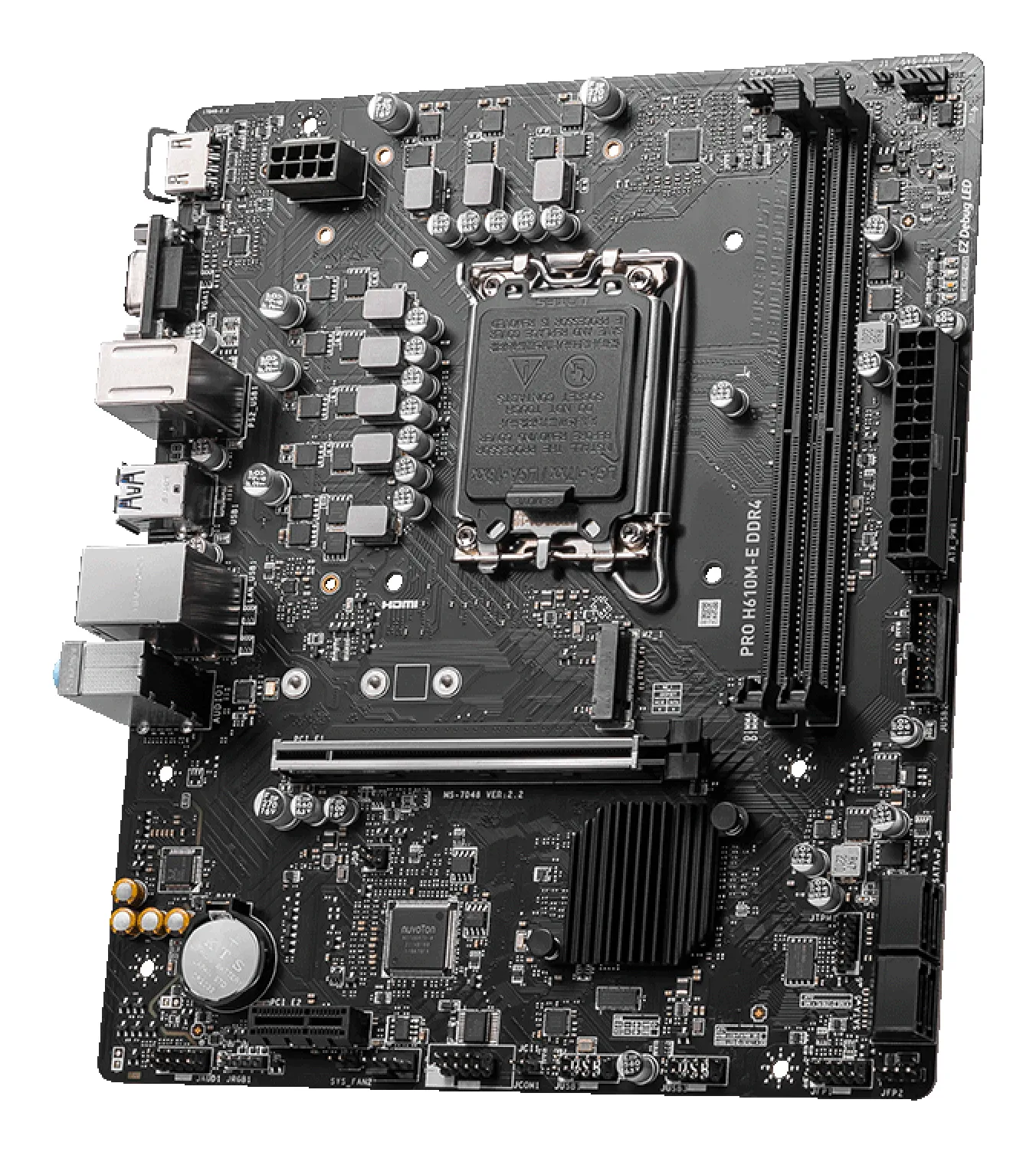
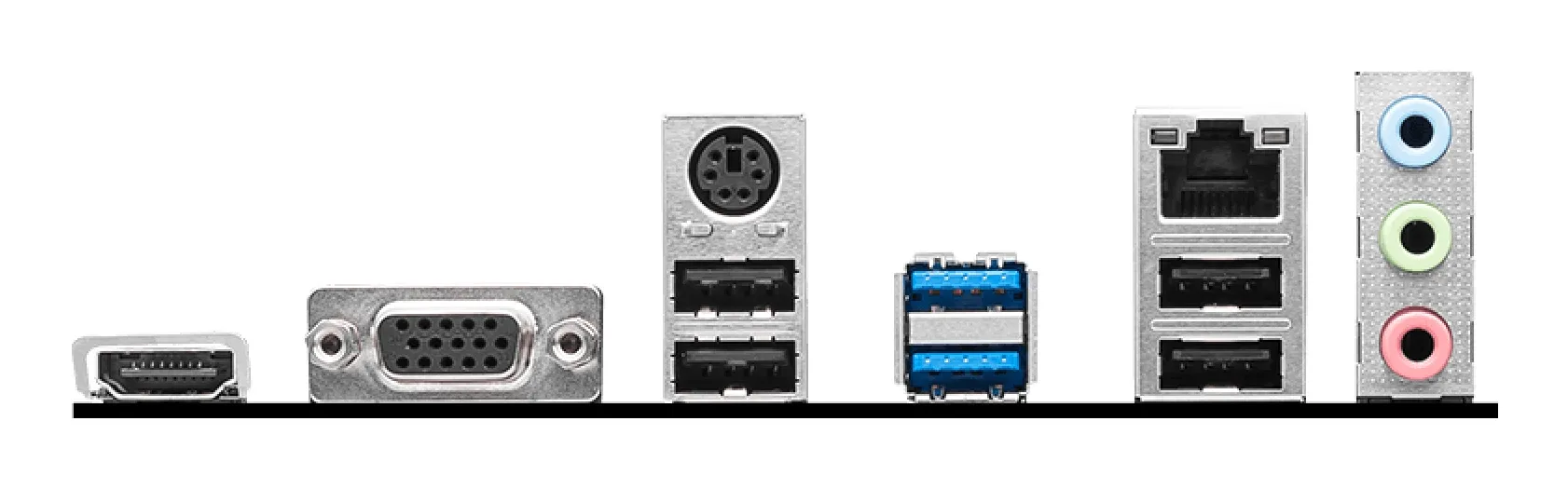
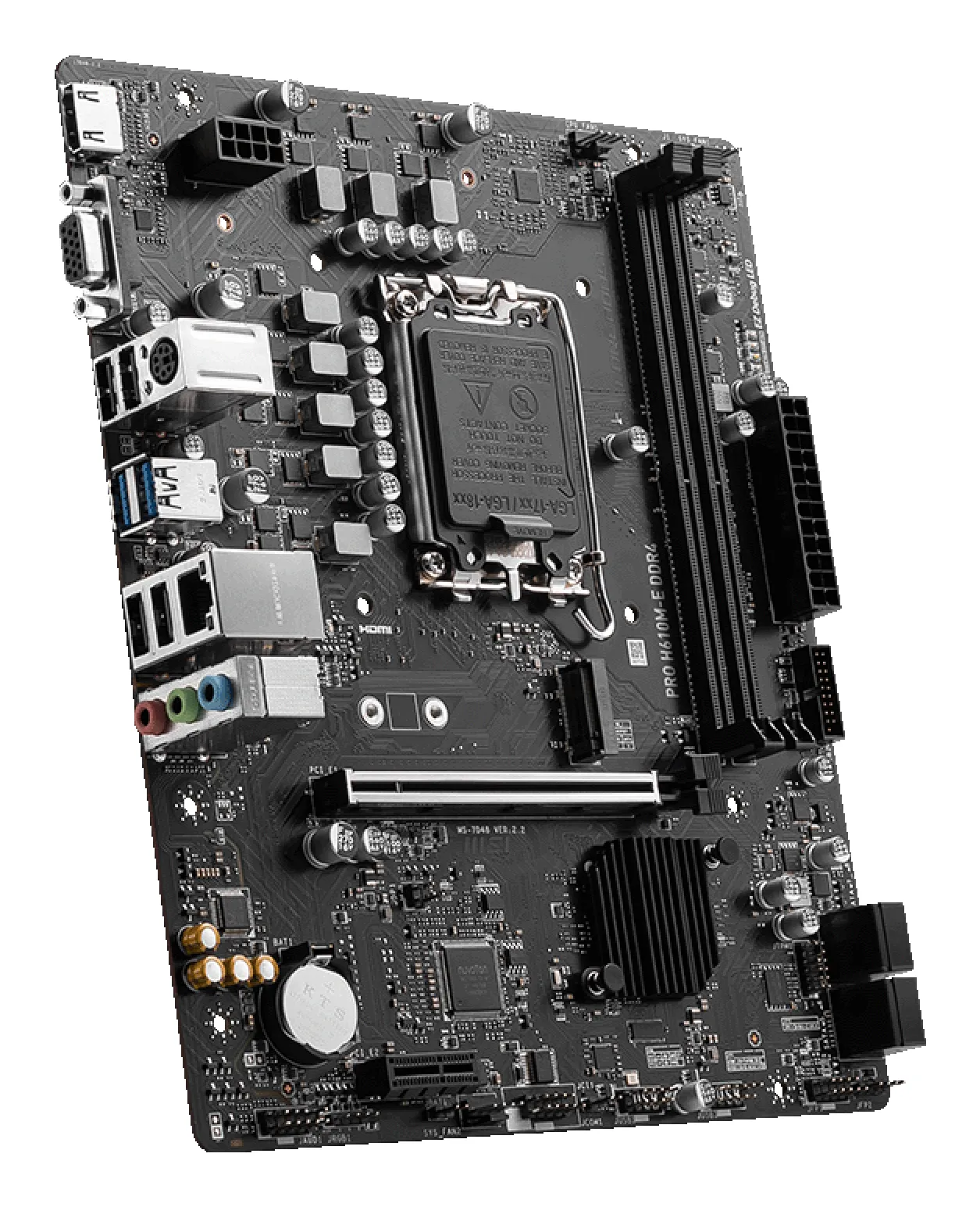
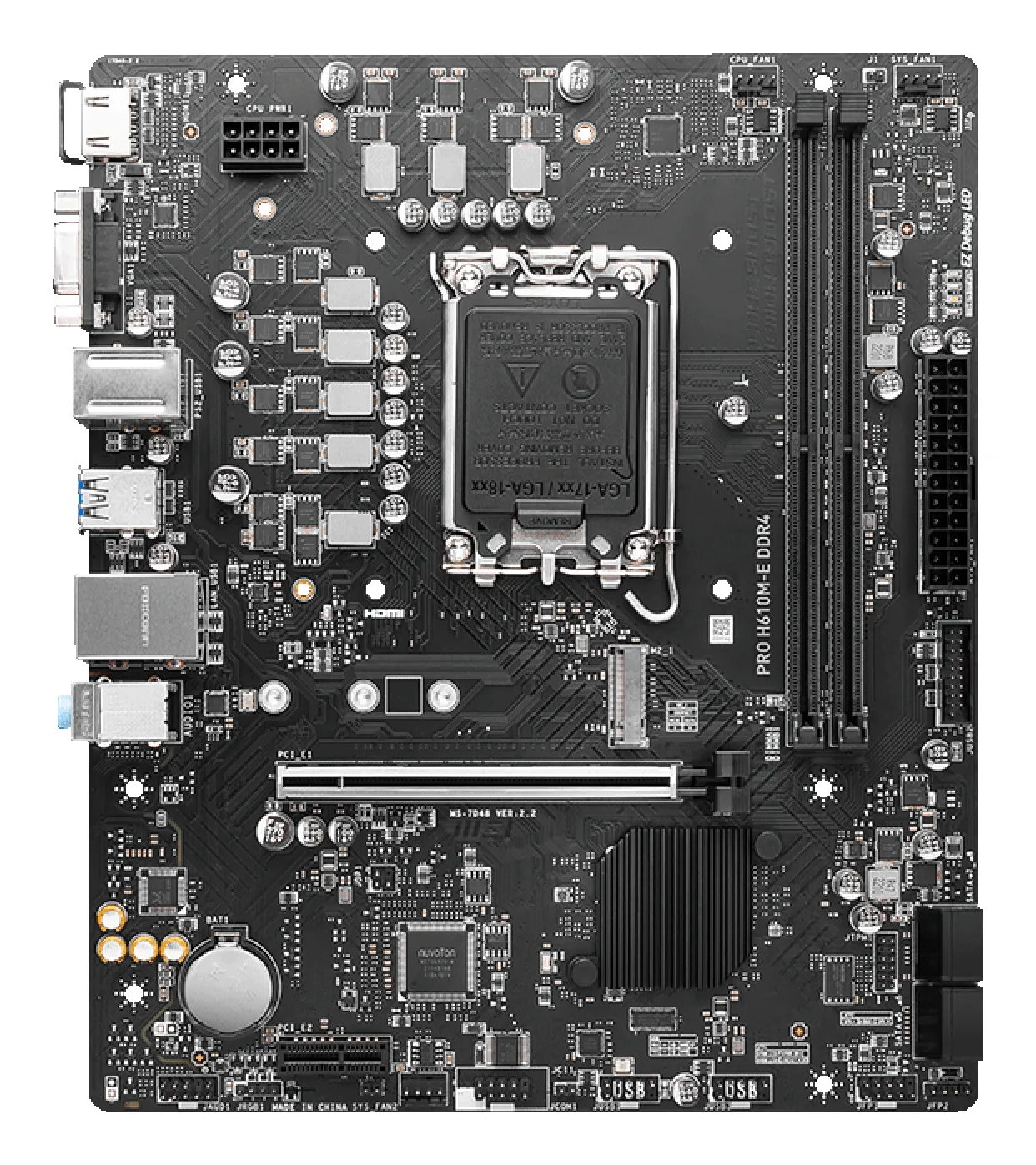
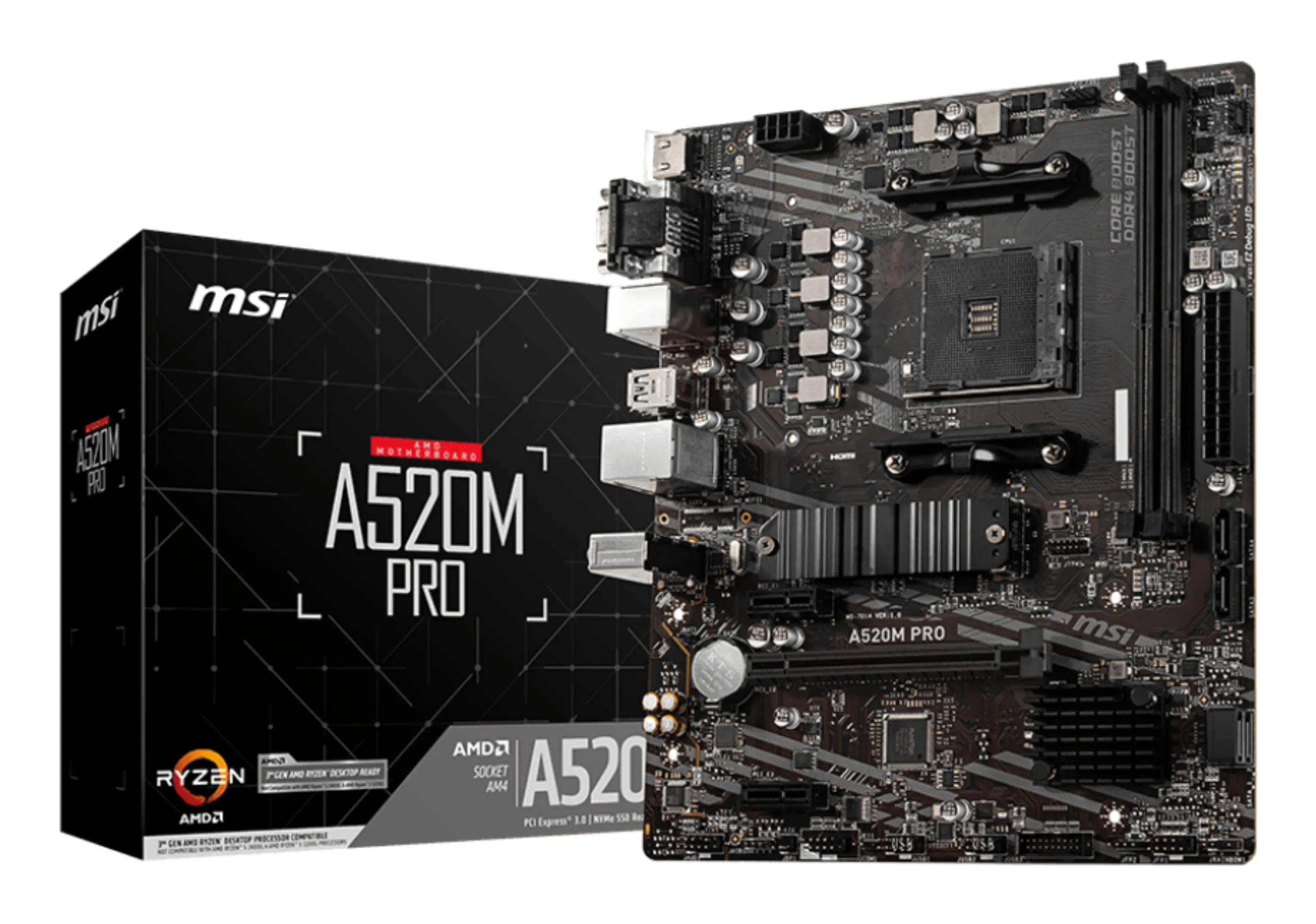
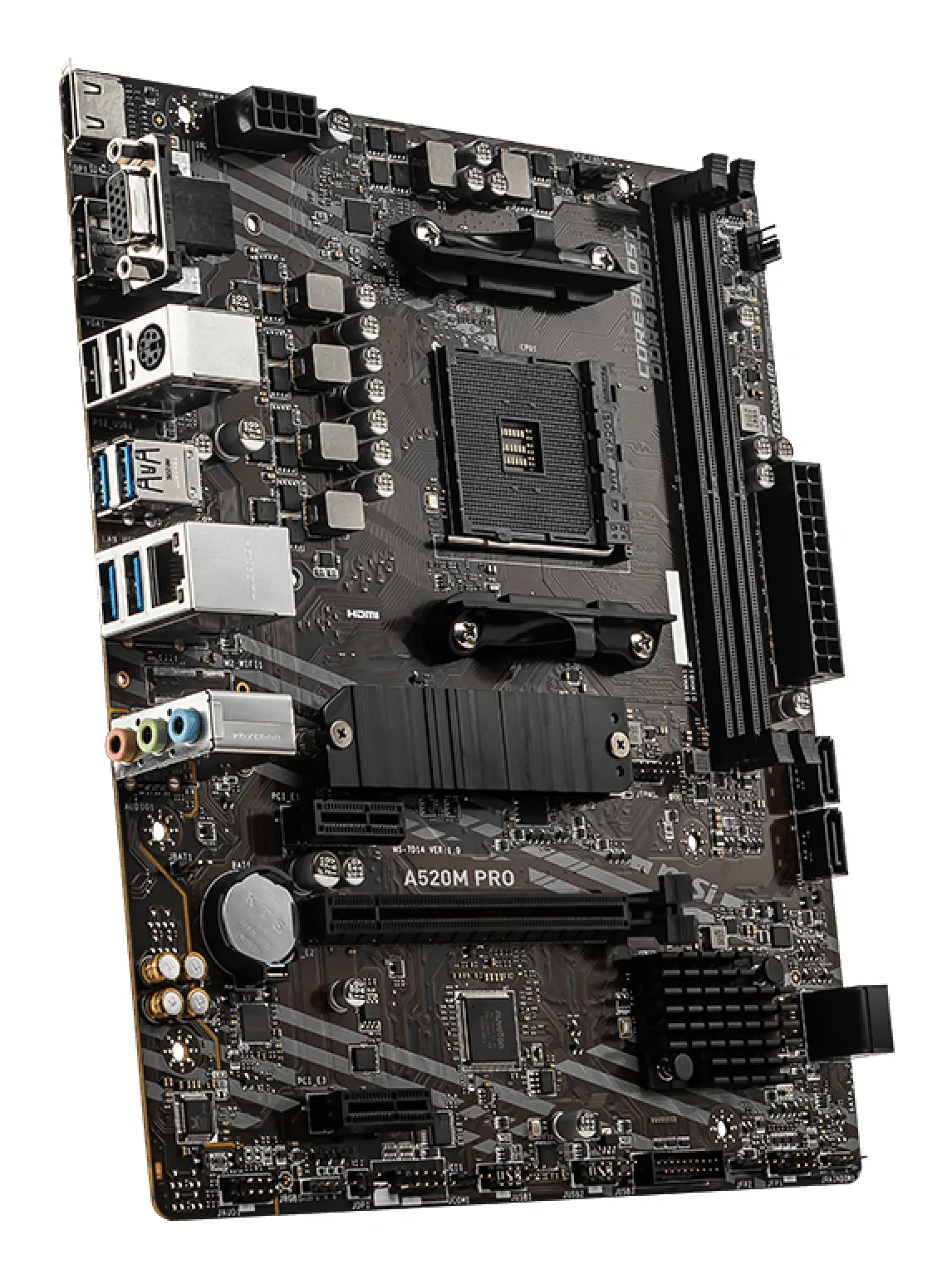
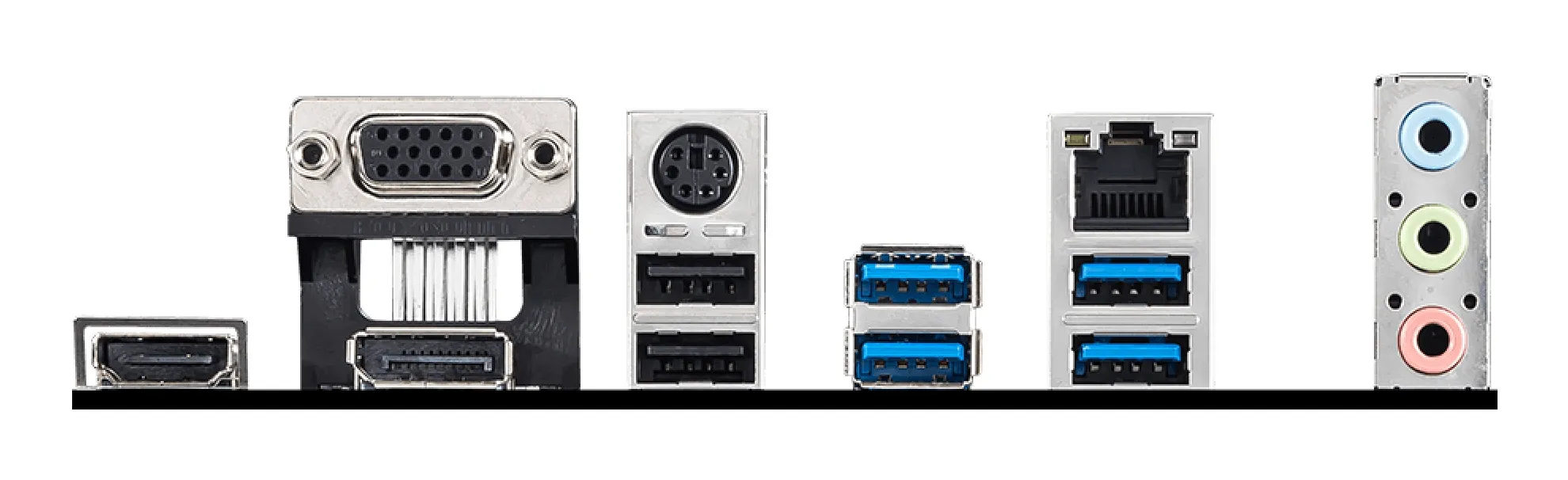
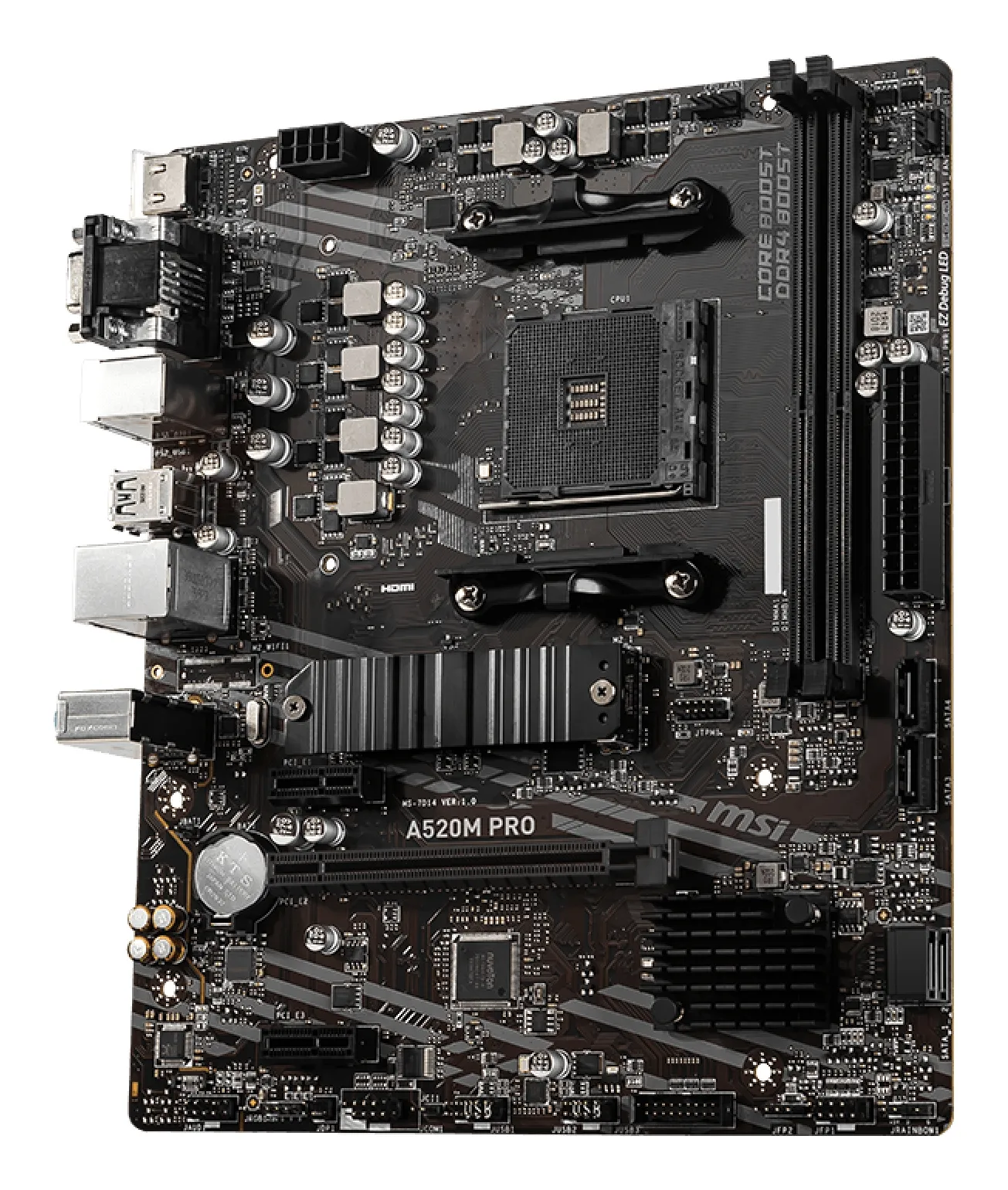
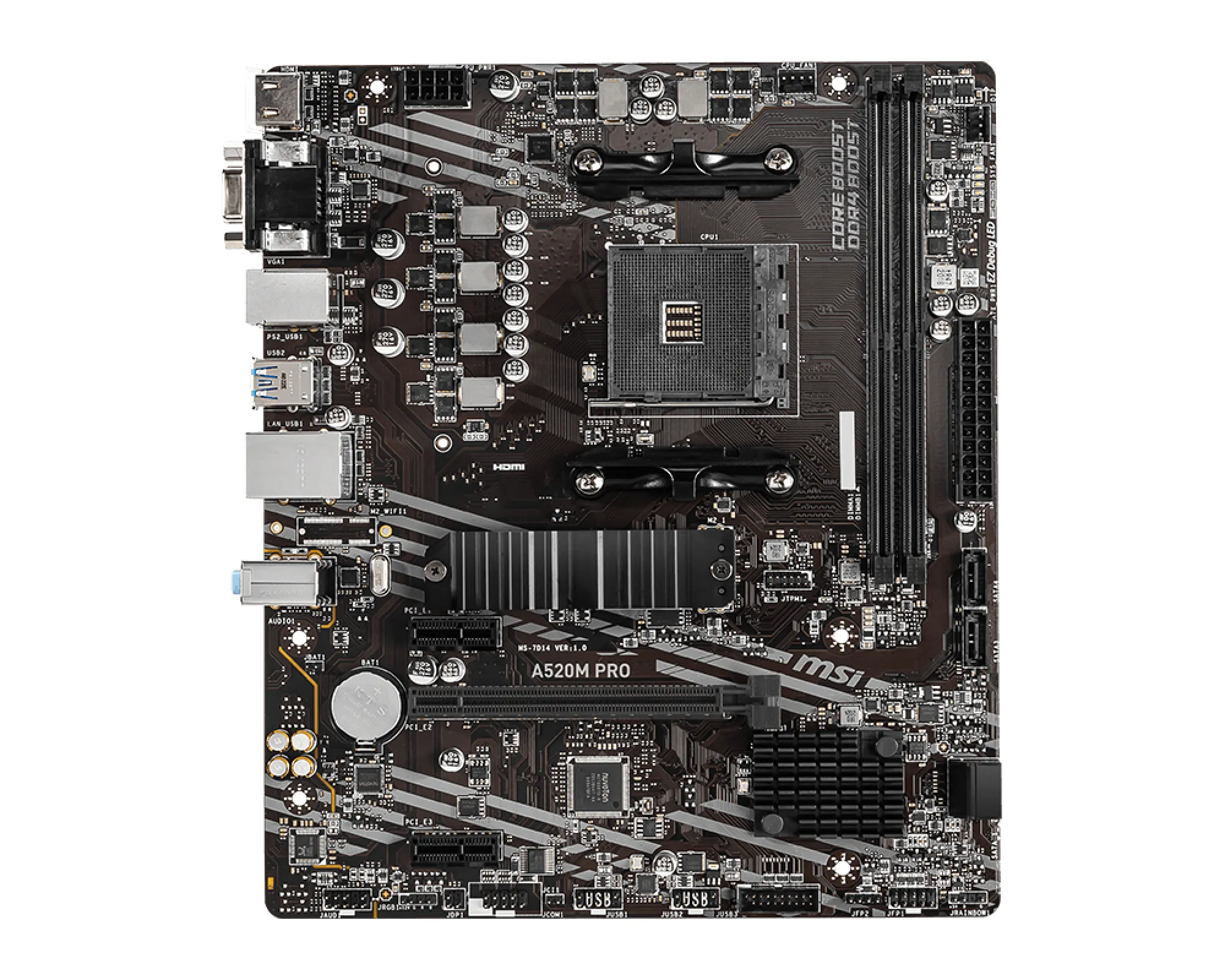
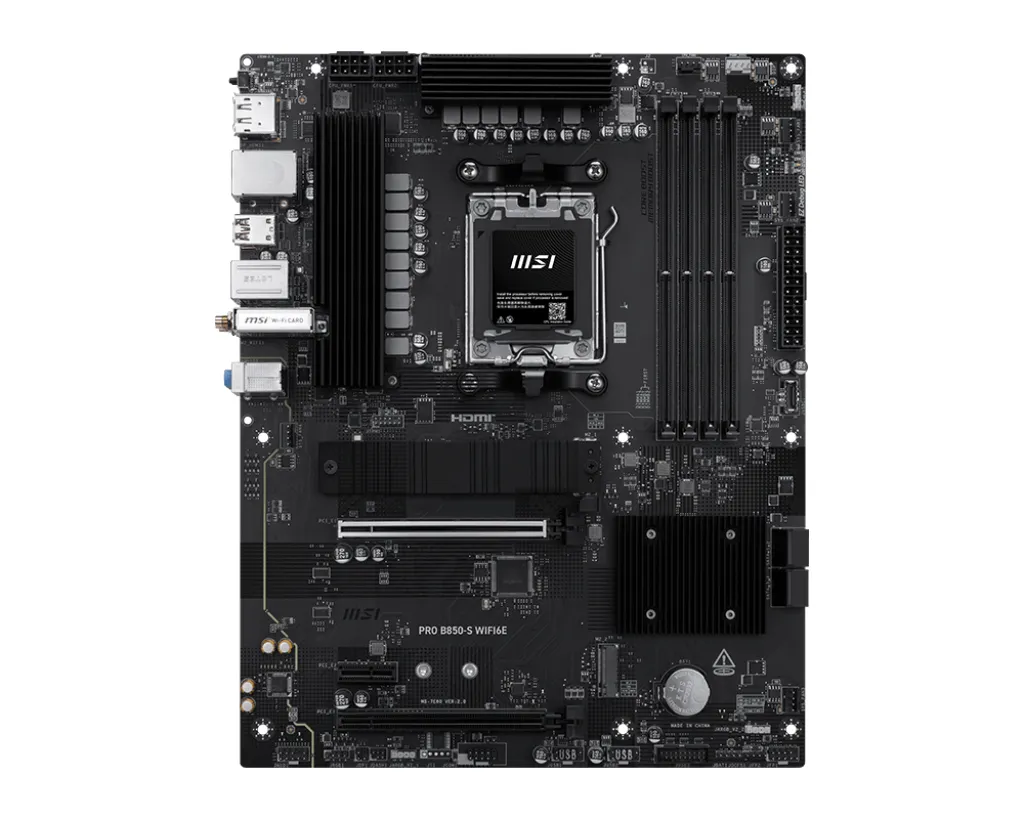
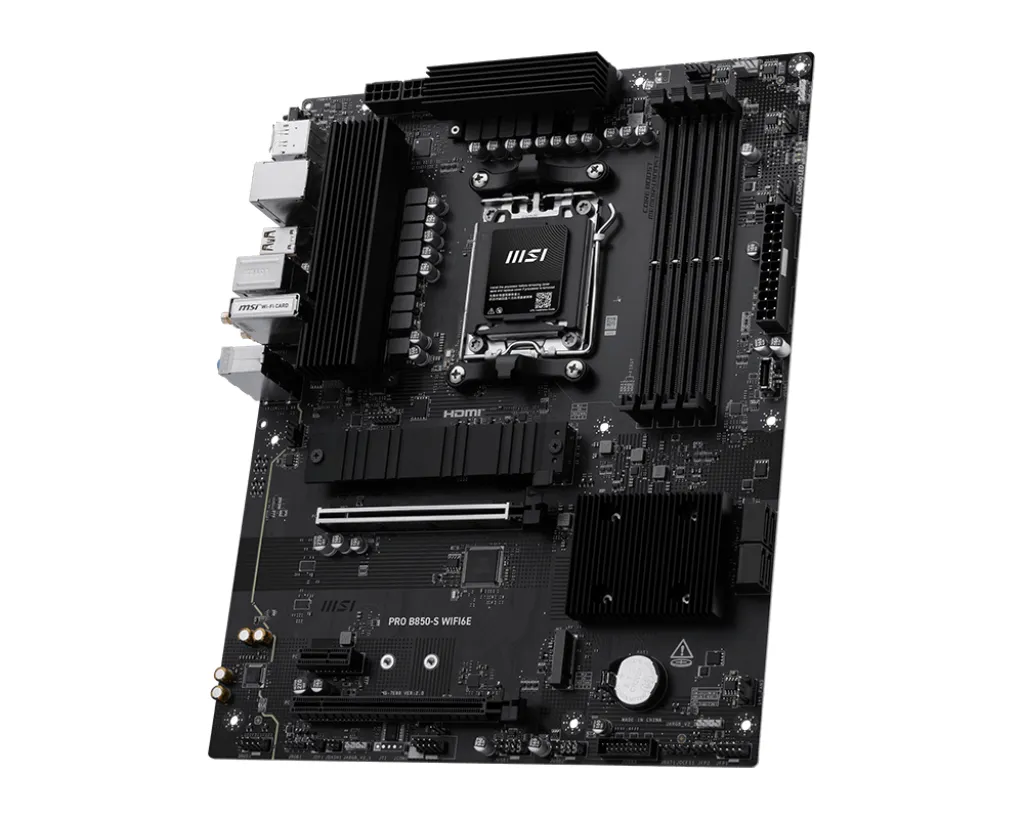
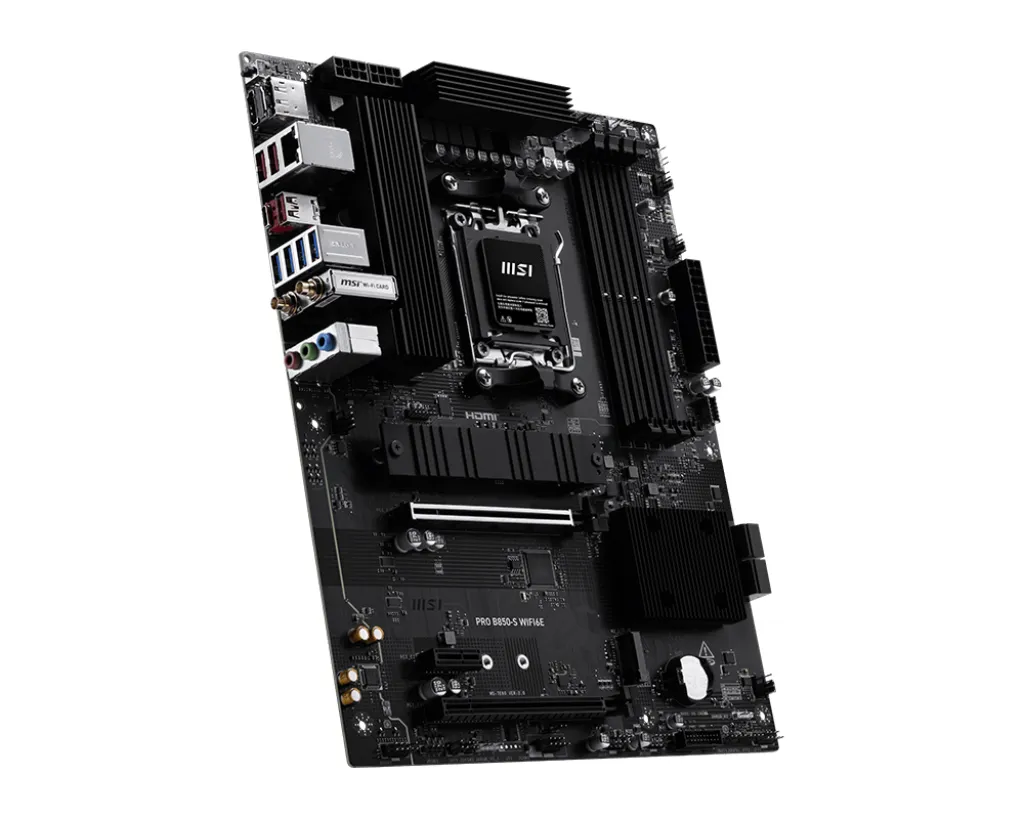
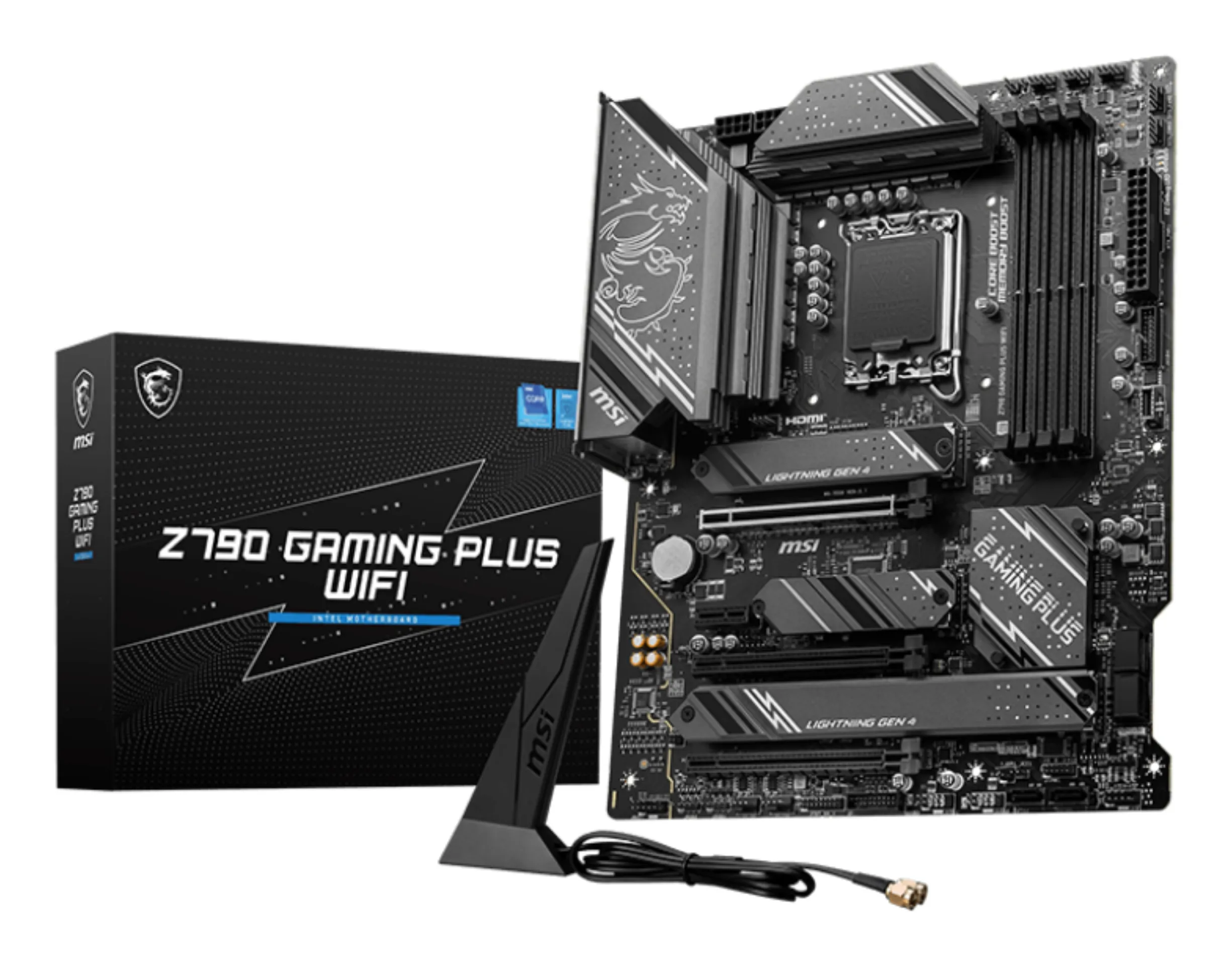
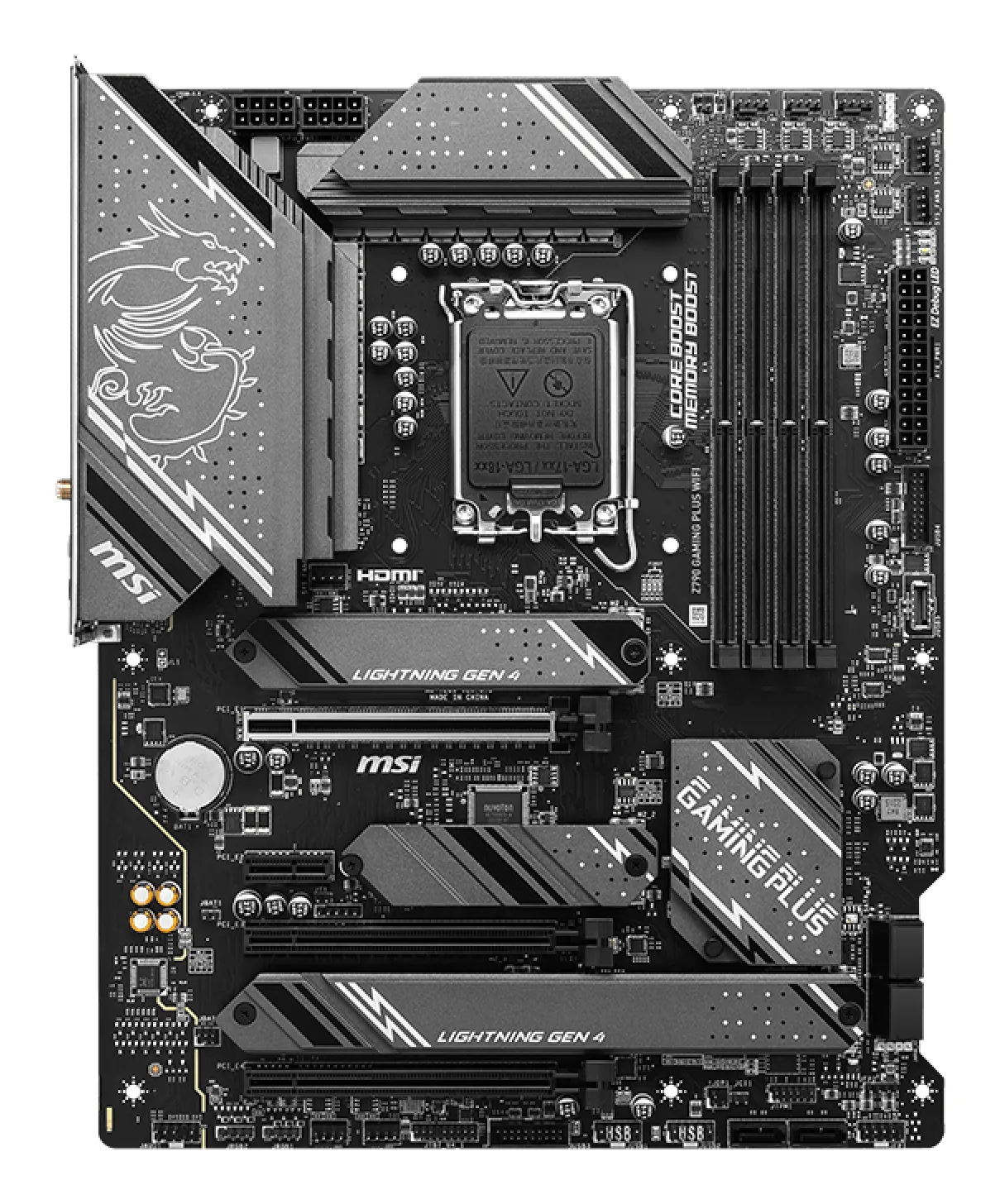
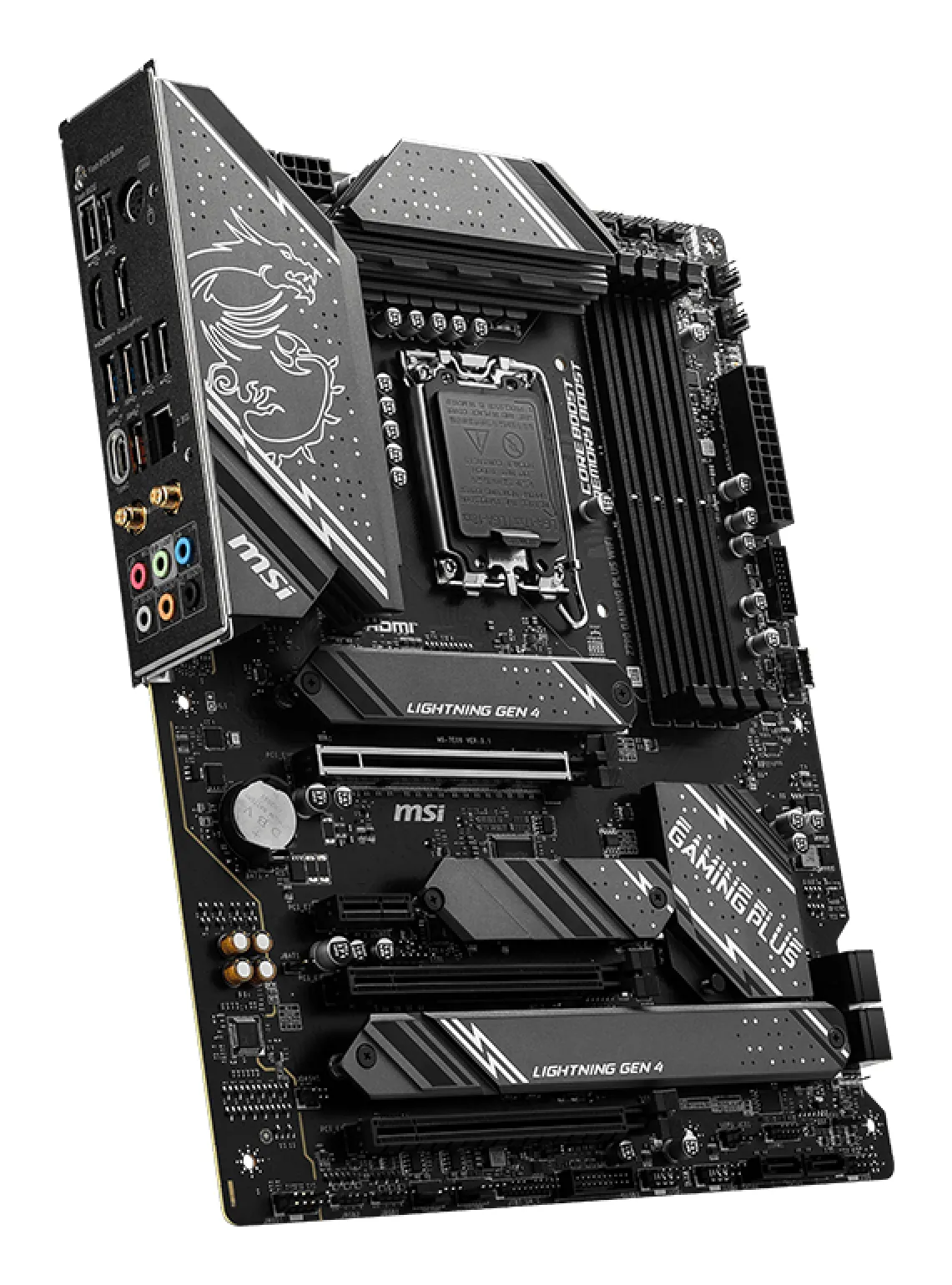
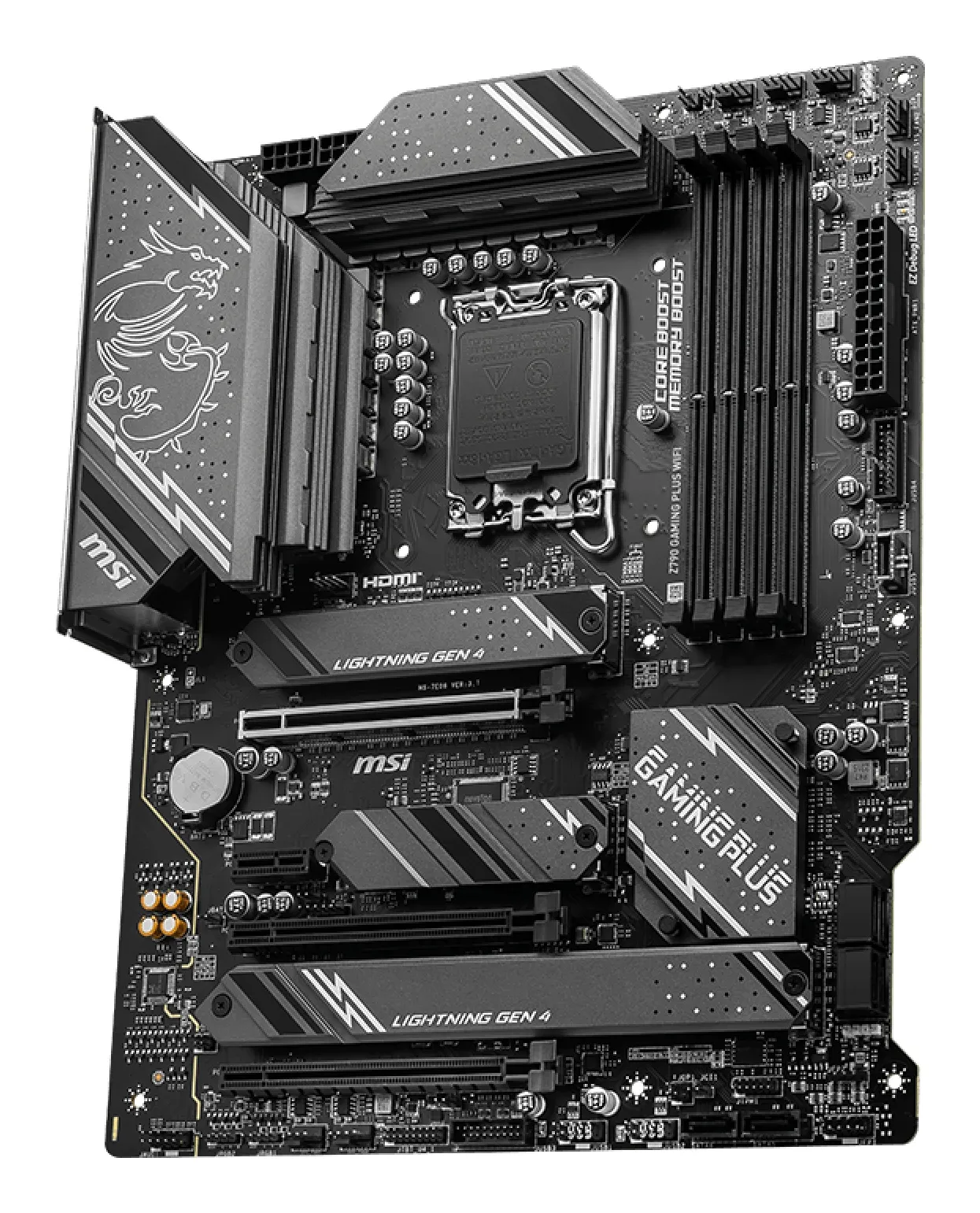
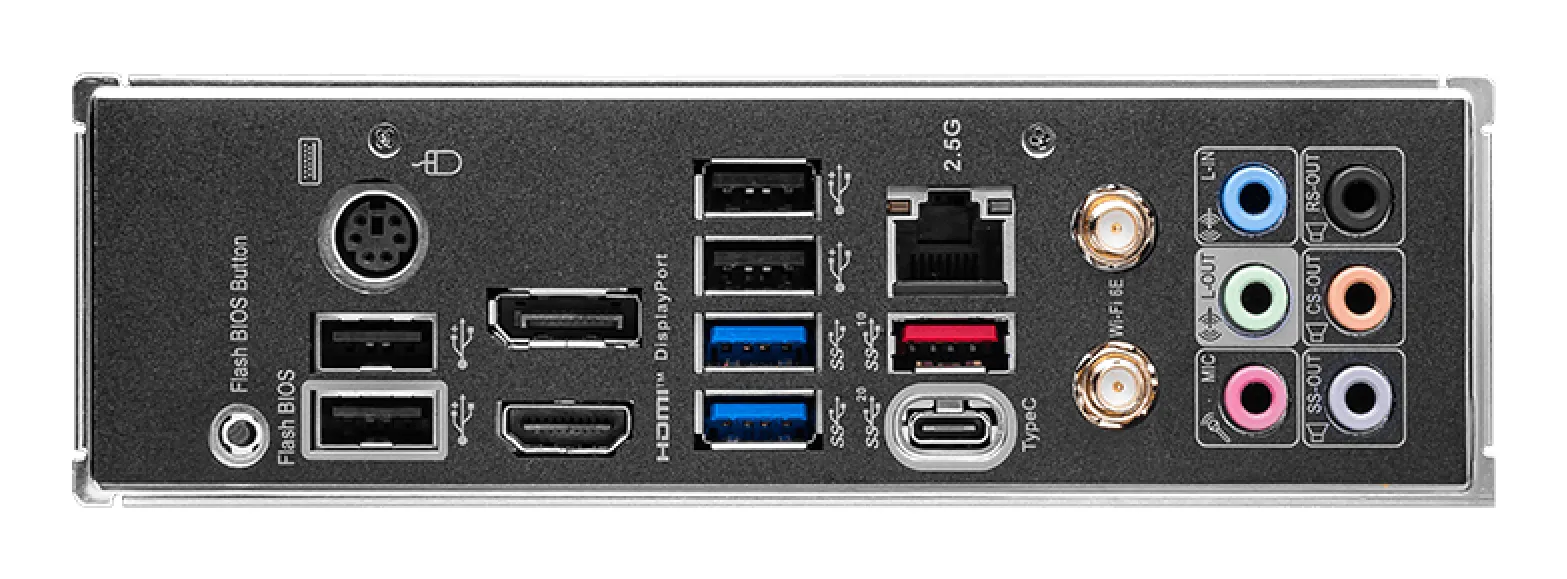
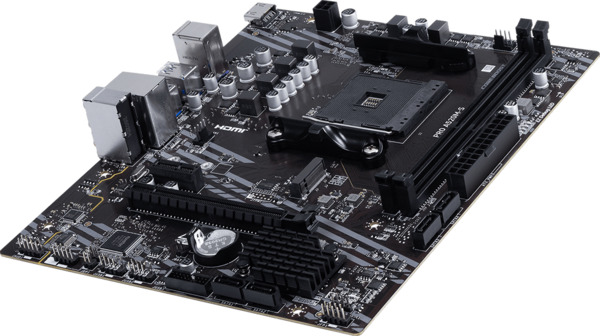
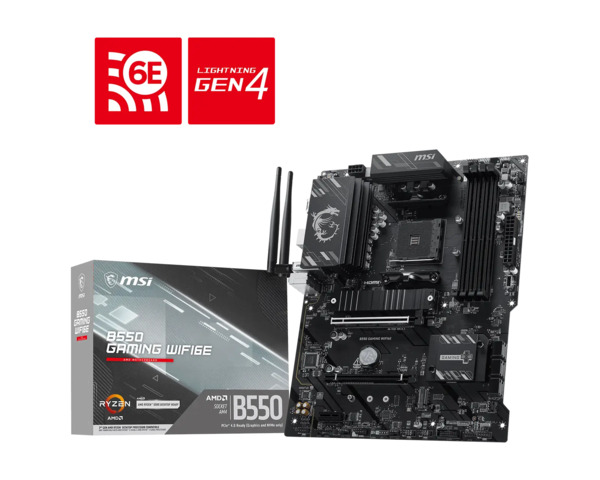
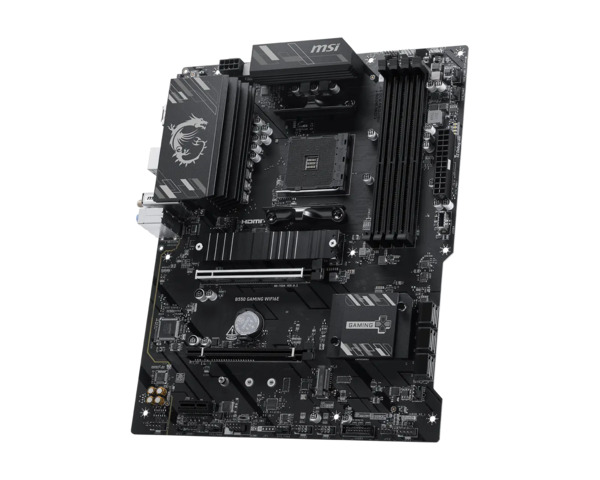
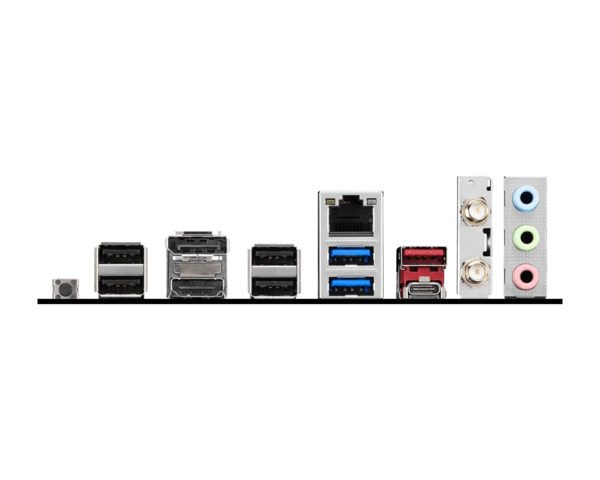
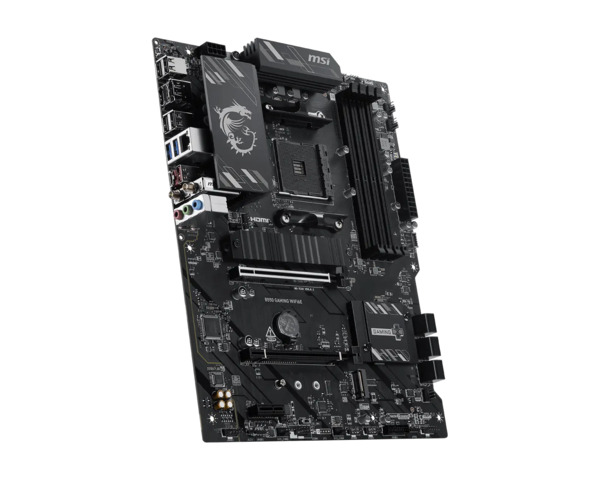
- Core Performance: Processors (CPU) and motherboards form the foundation. The processor handles the actual calculations, while the motherboard connects all parts and enables communication between them.
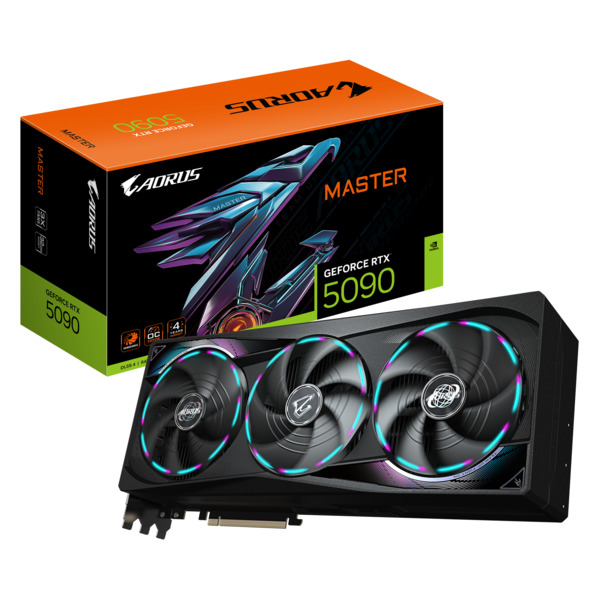
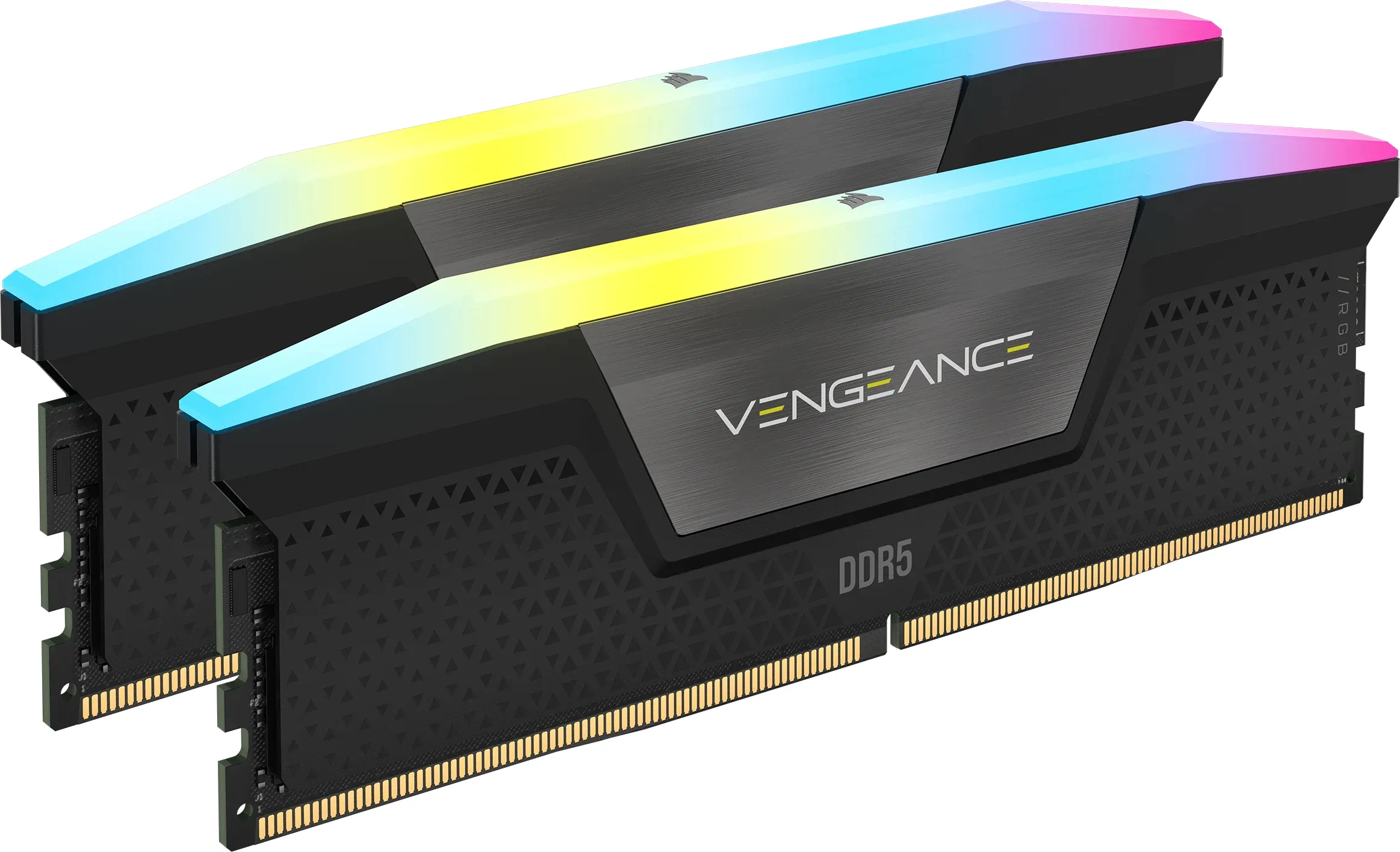
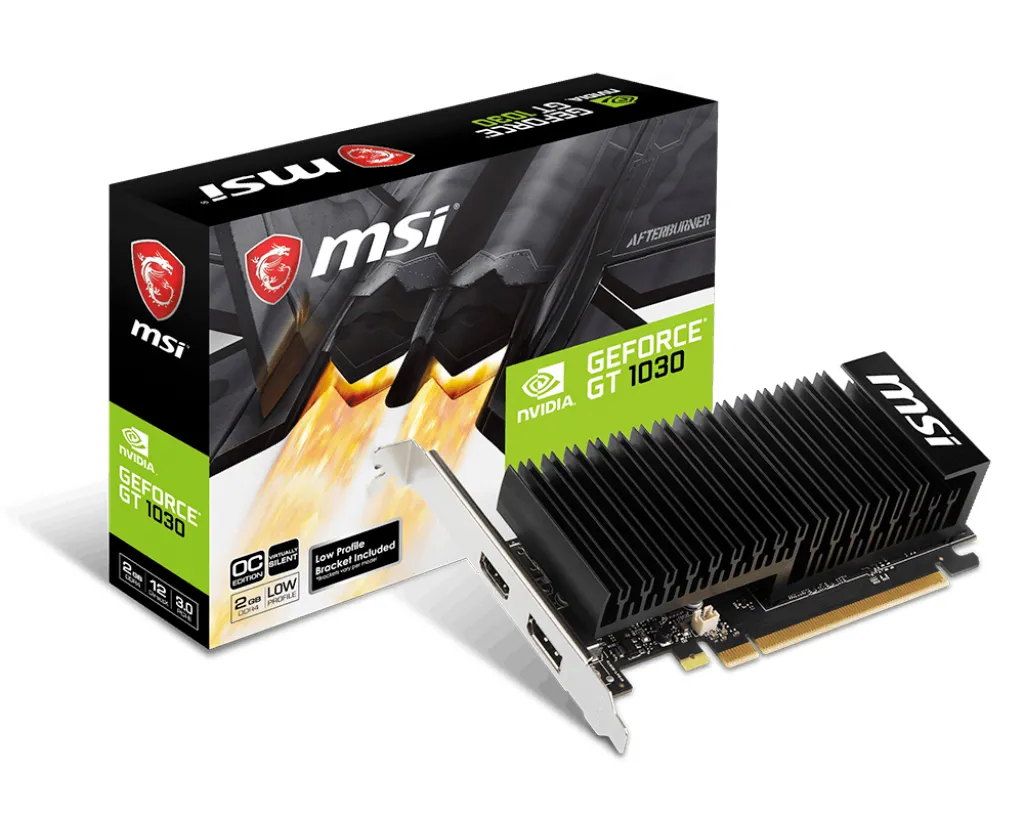
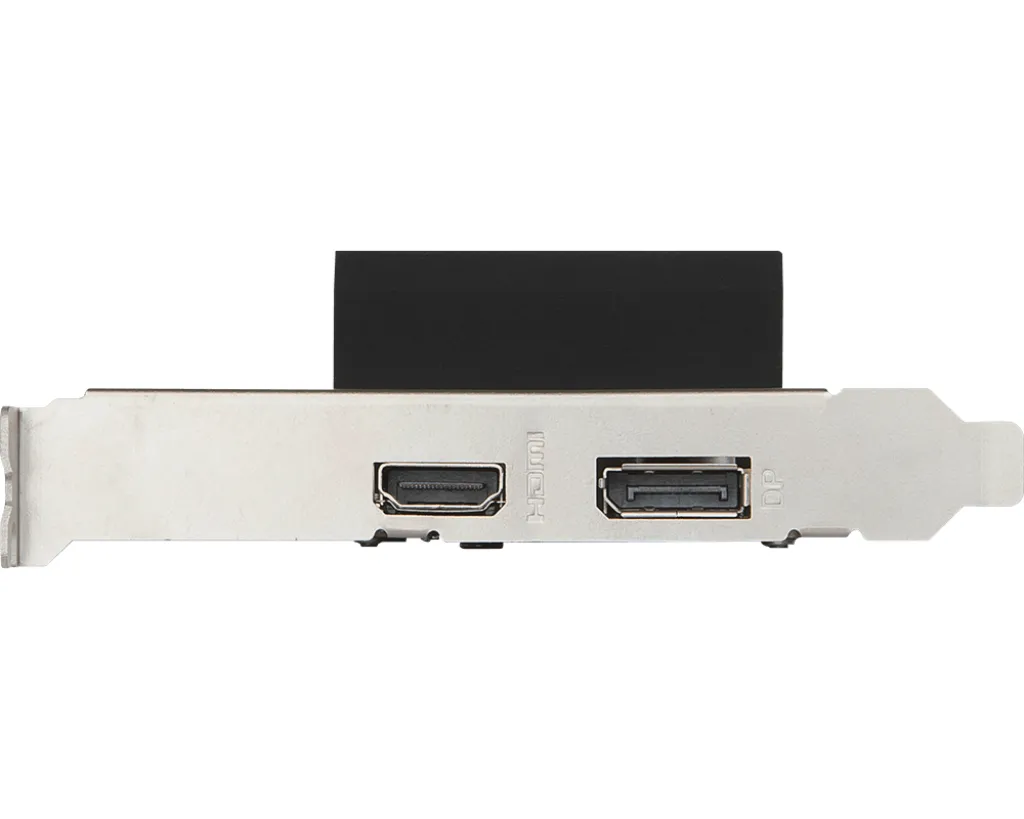
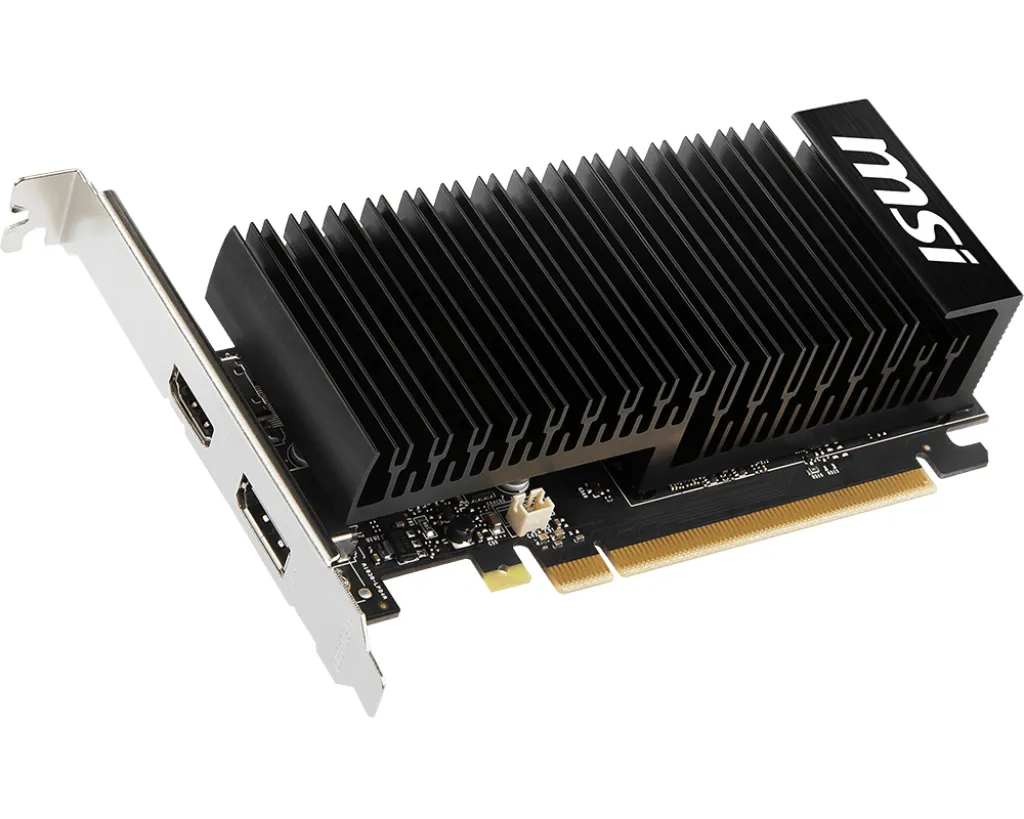
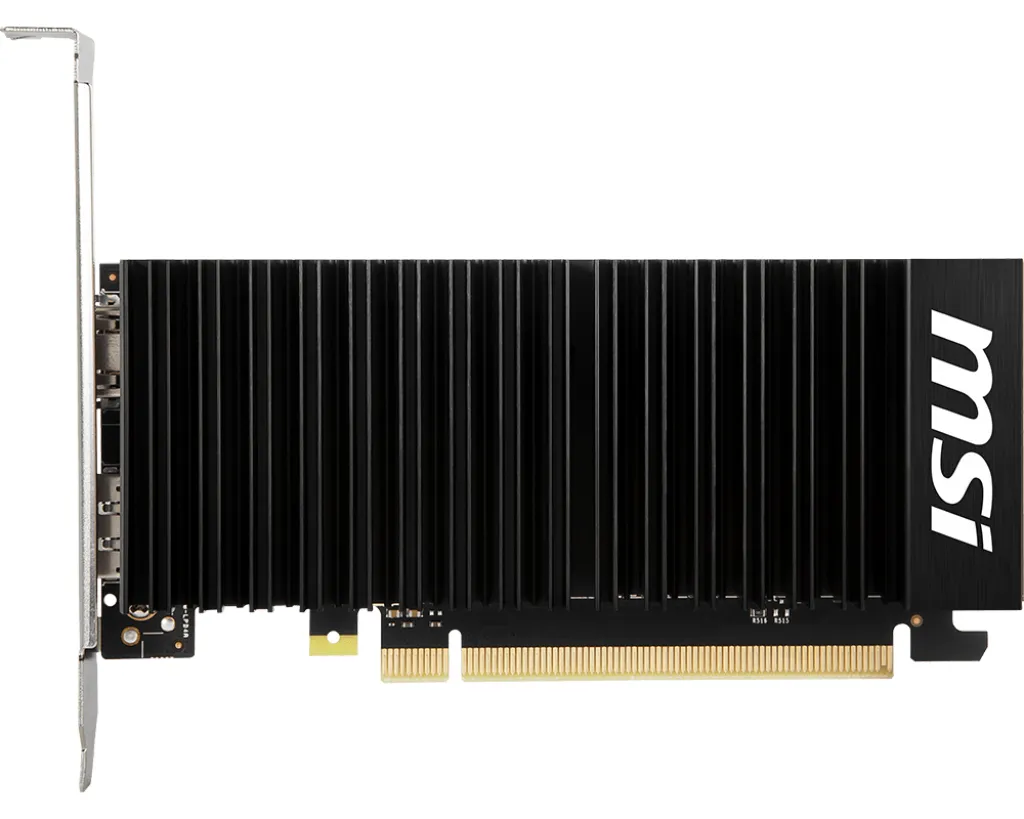
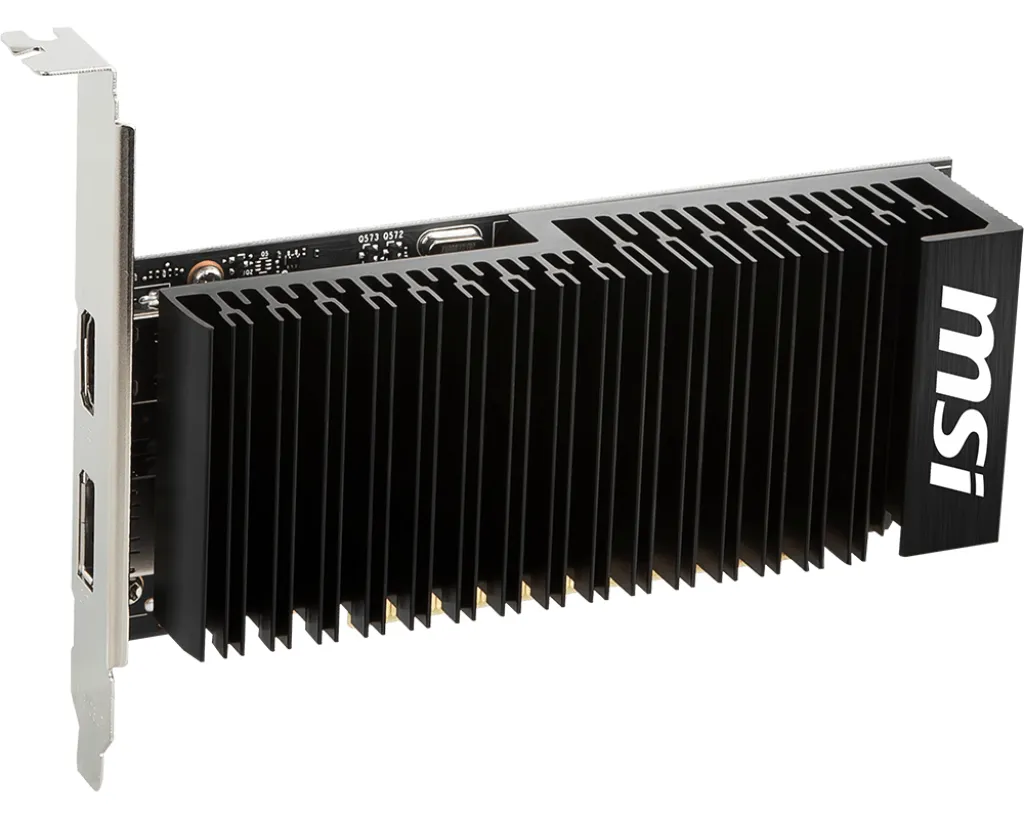
- Graphics and Memory: Graphics cards (GPU) manage visual rendering, and fast memory (RAM) ensures the CPU has instant access to required data.
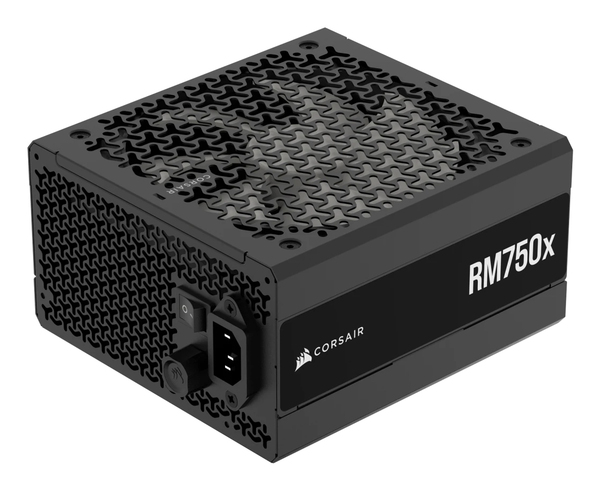
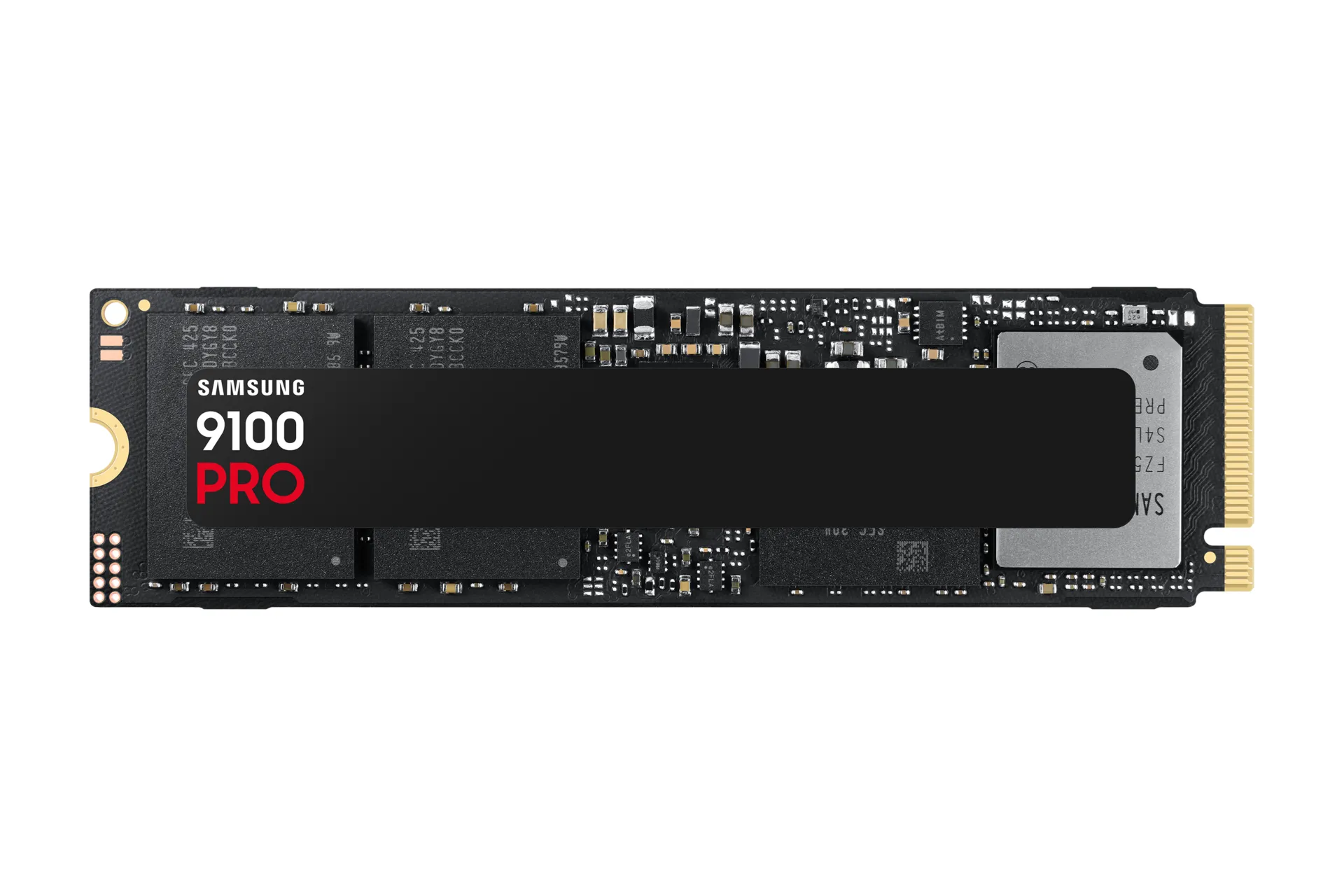
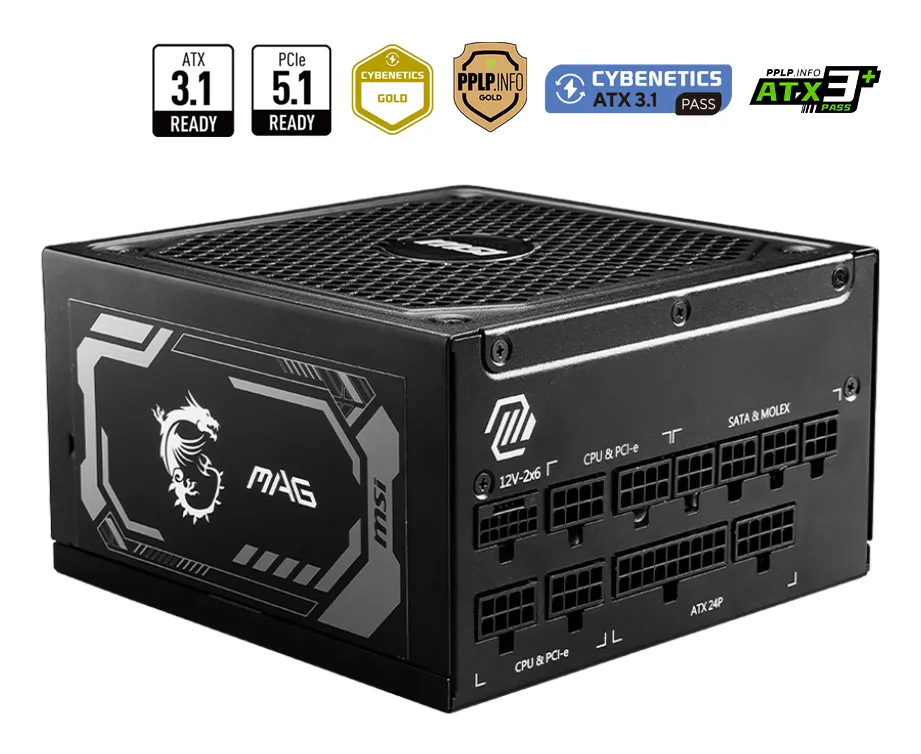
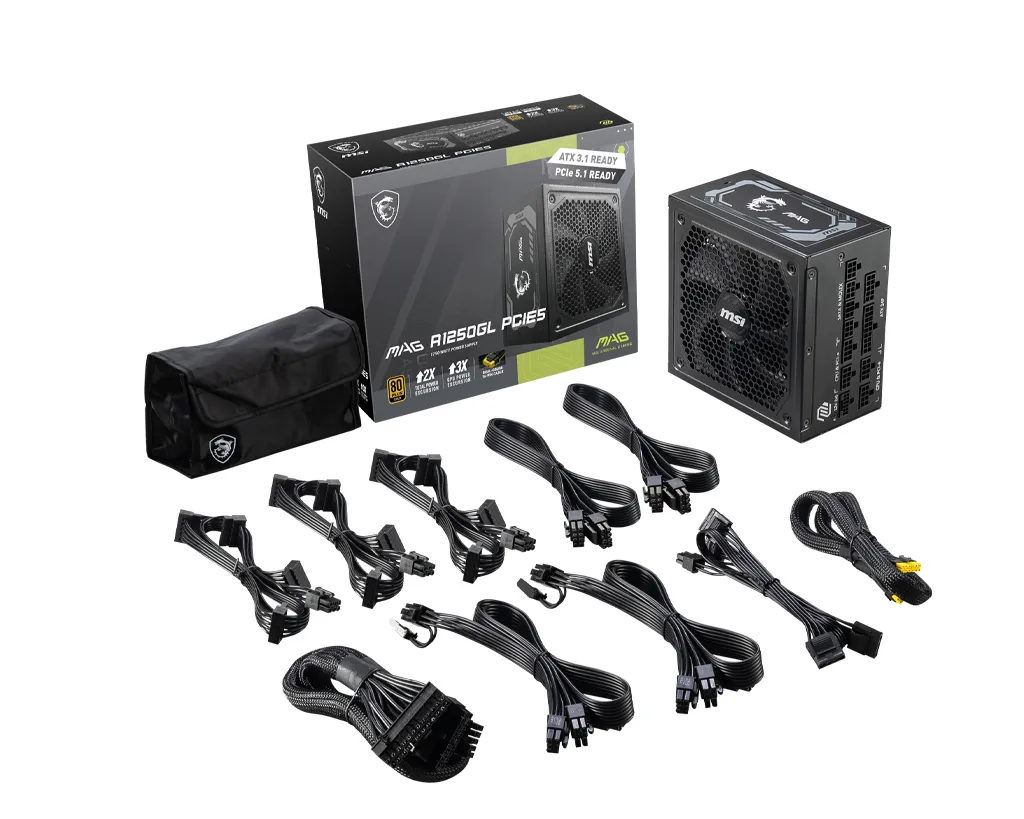
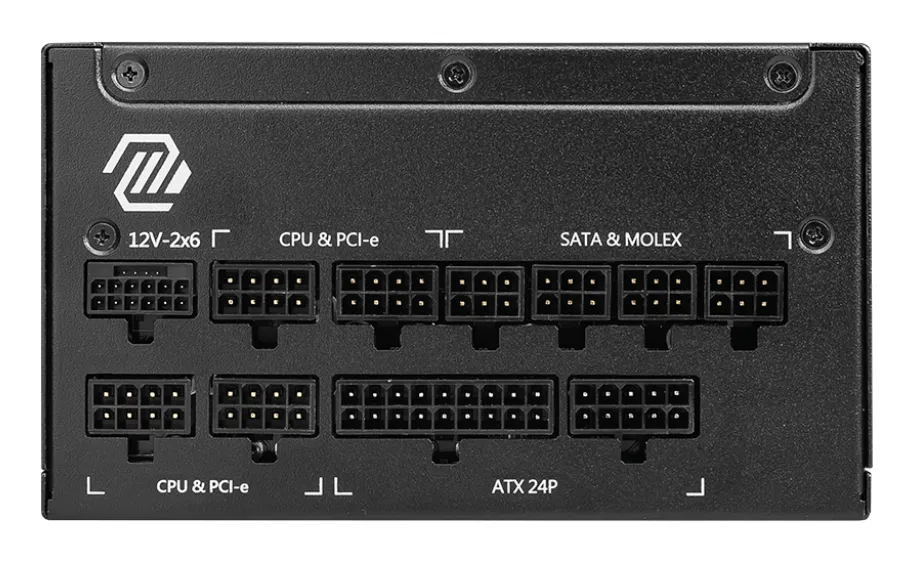
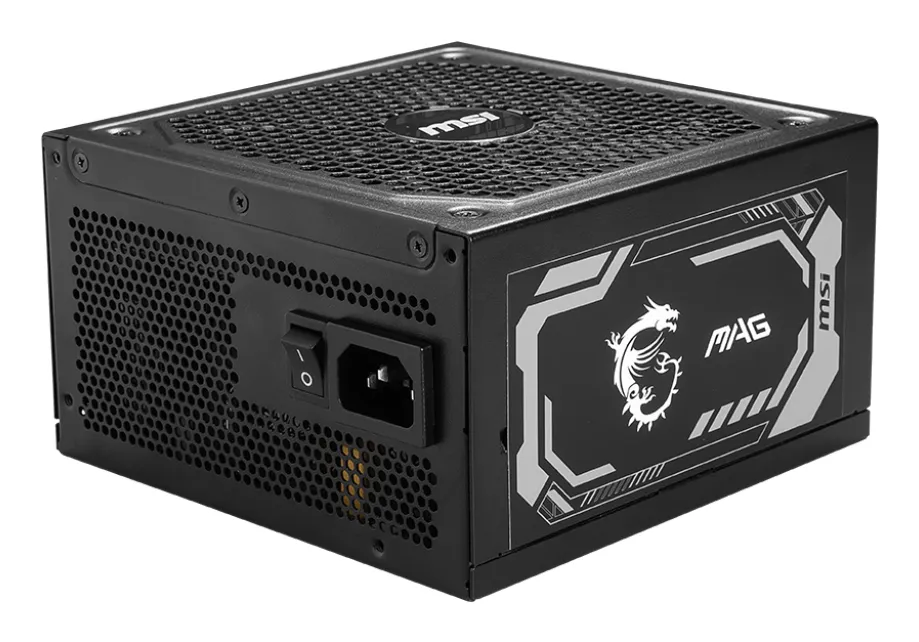
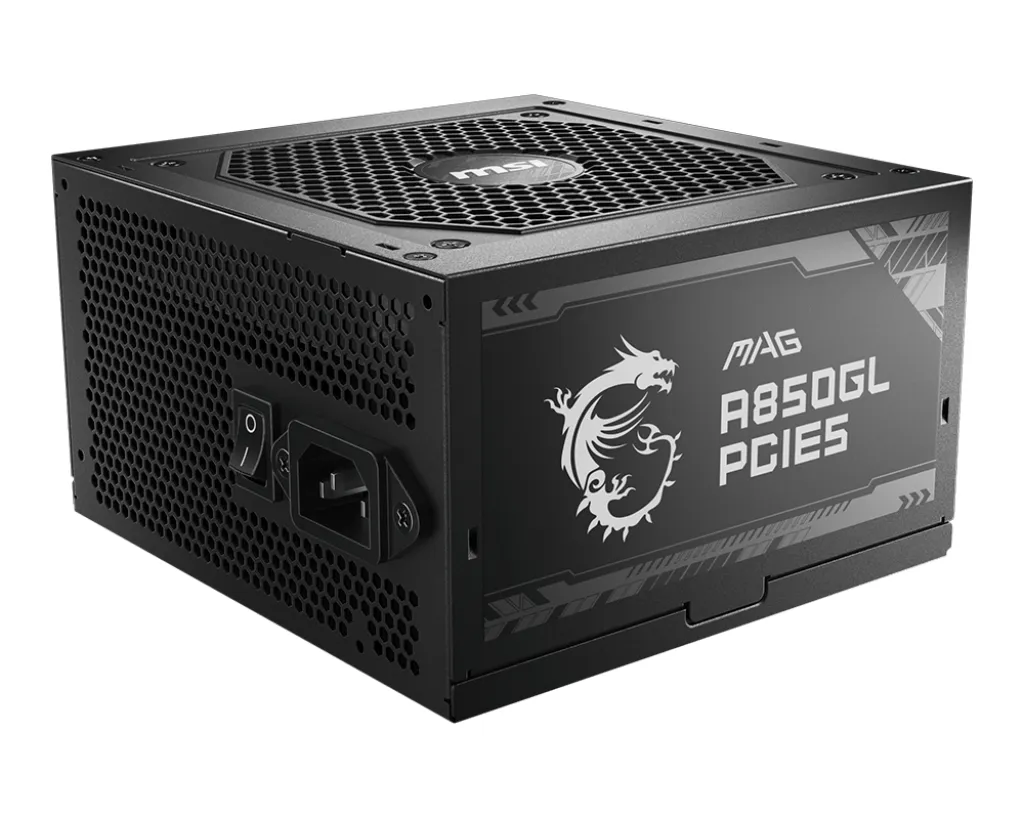
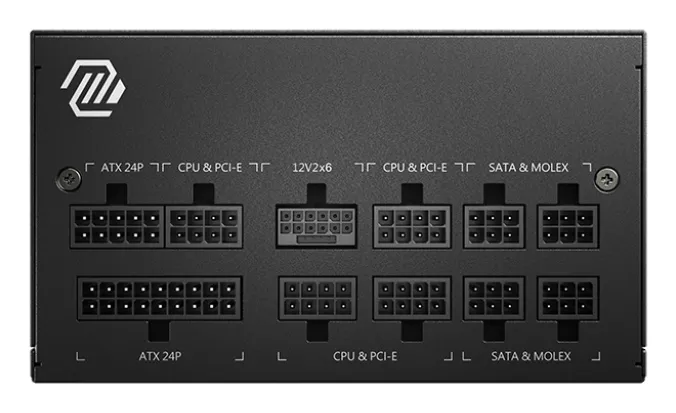
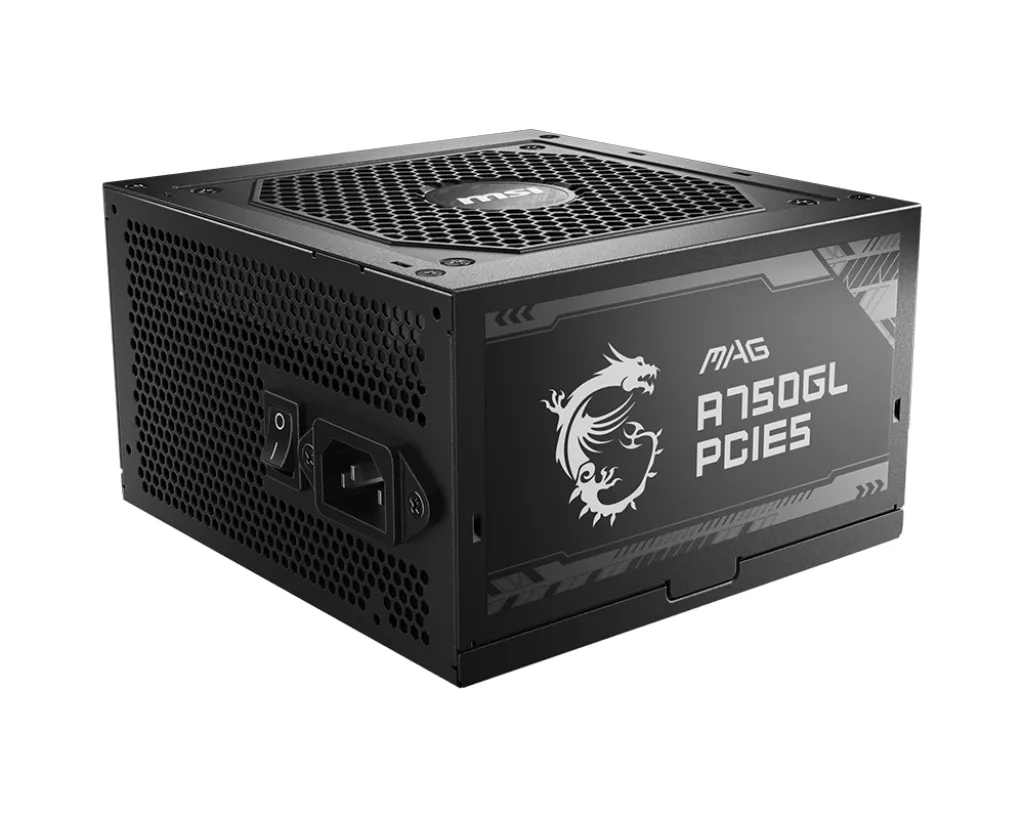
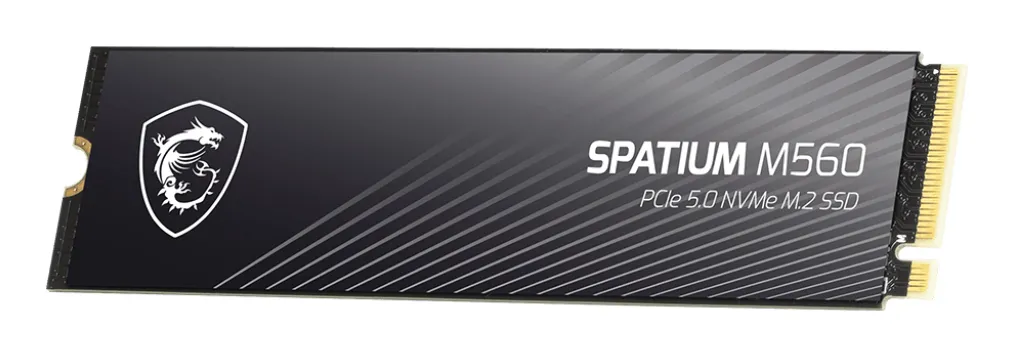
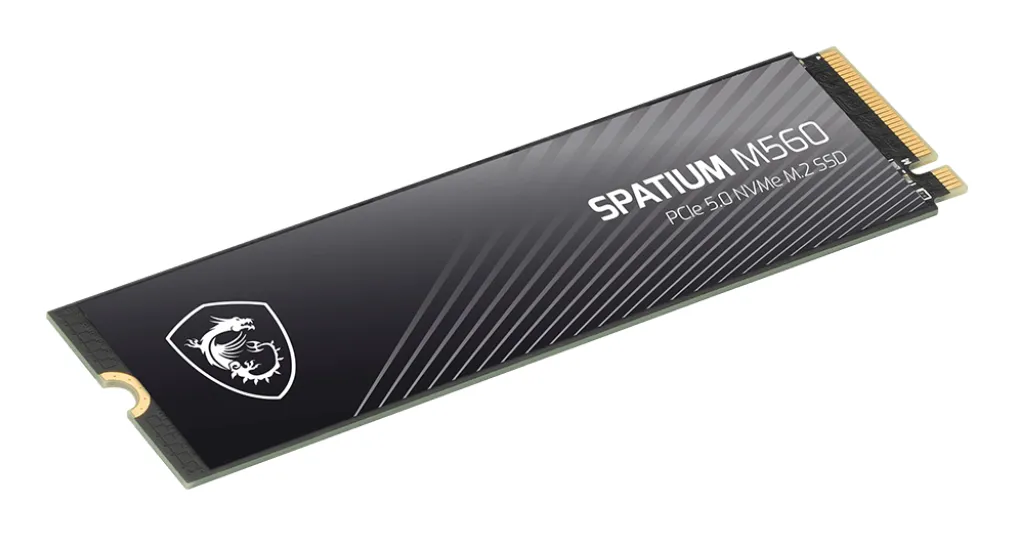
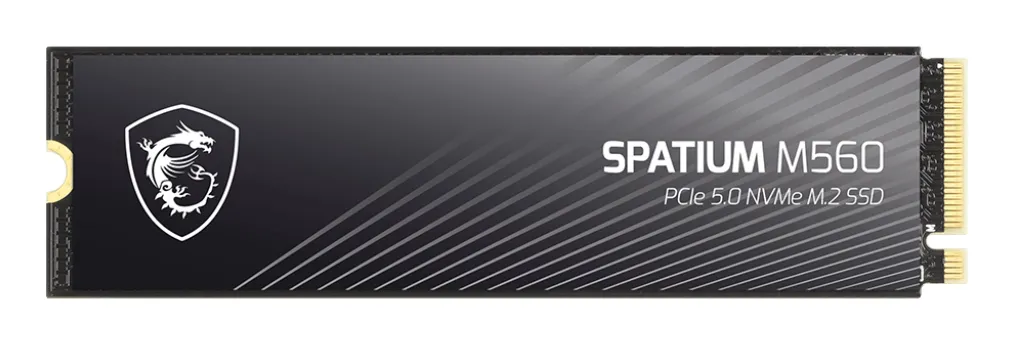
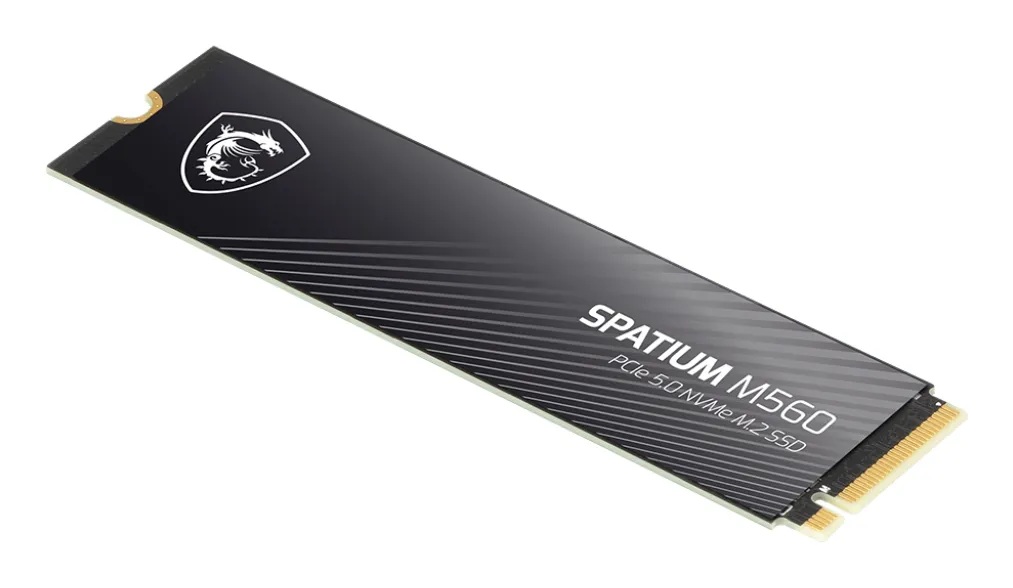
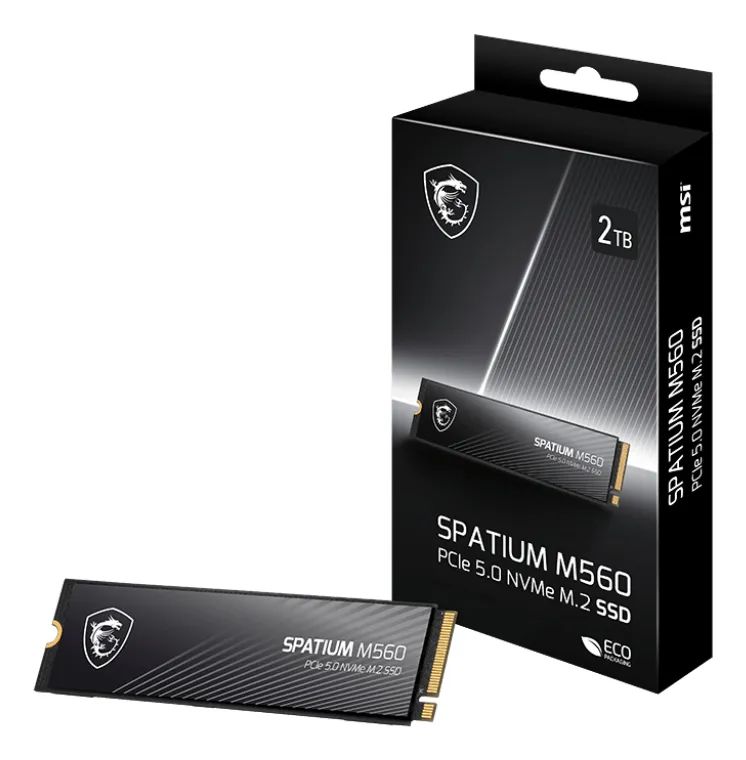
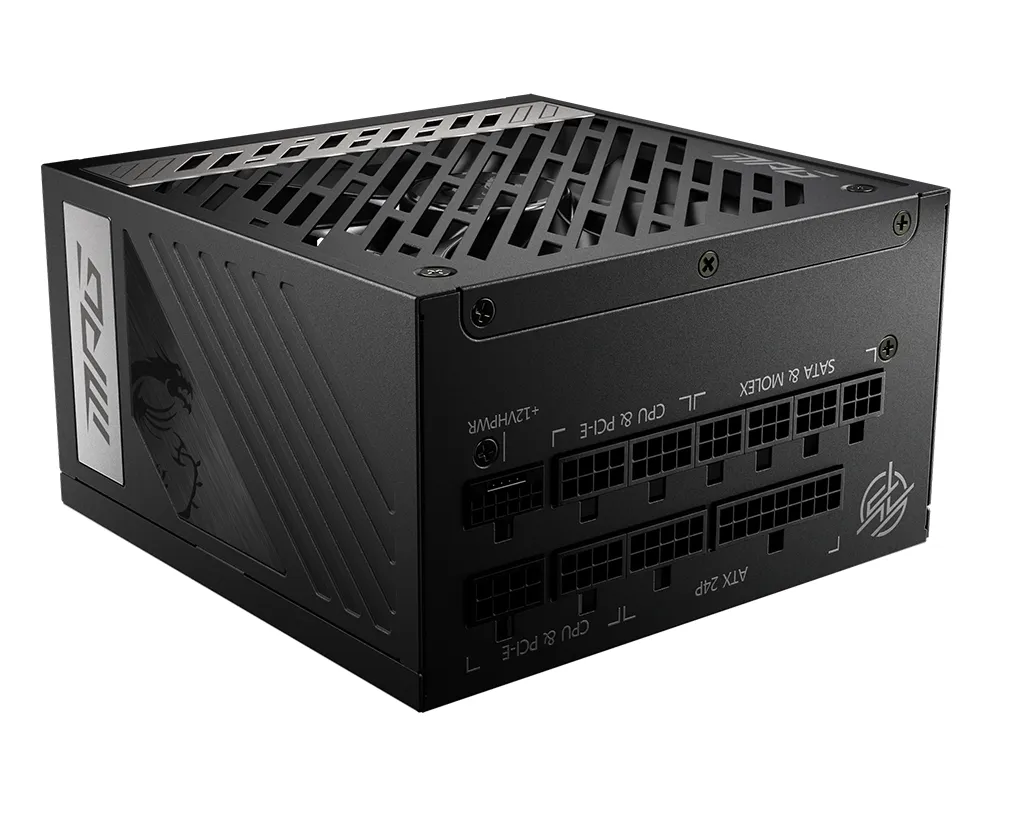
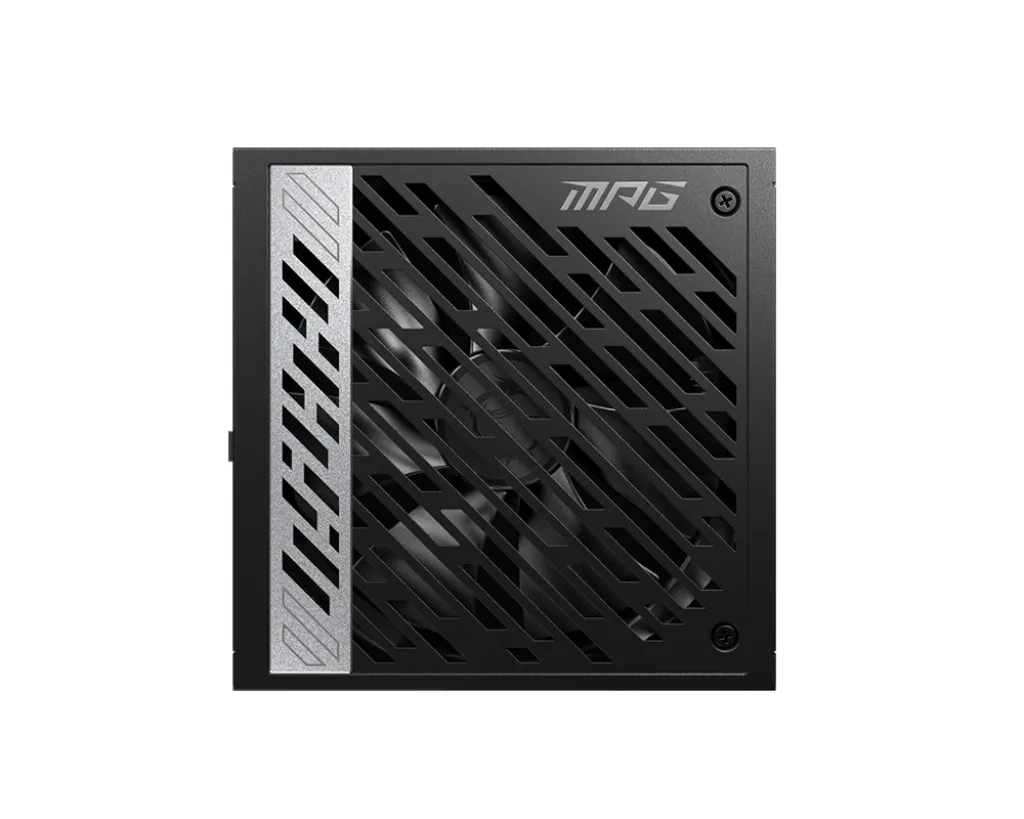
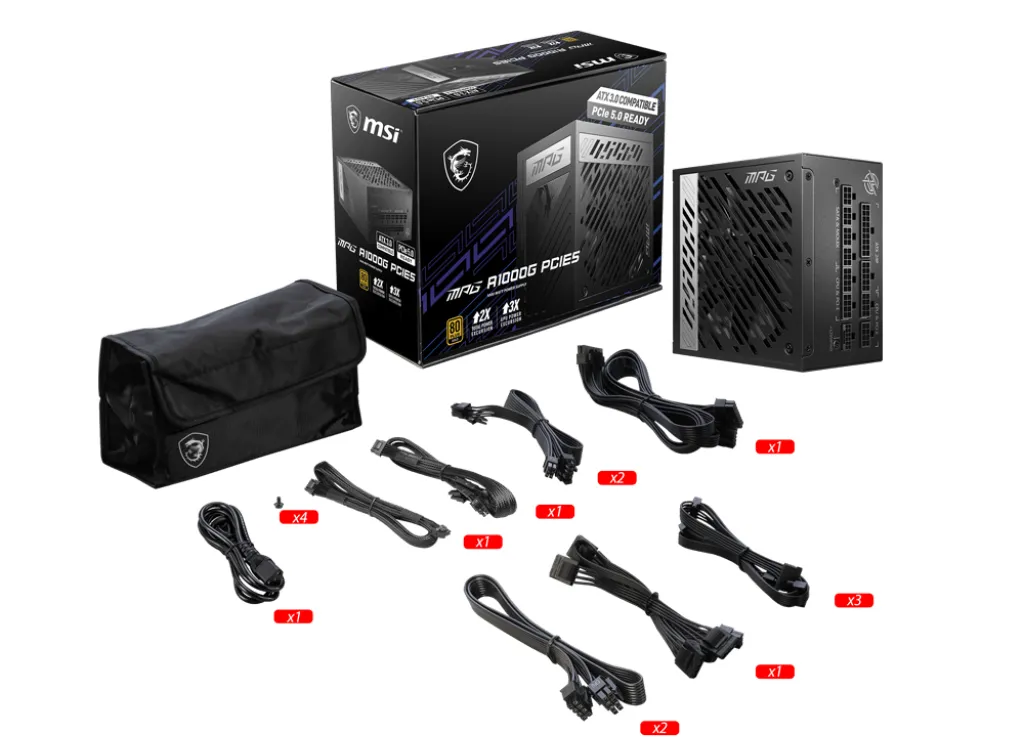
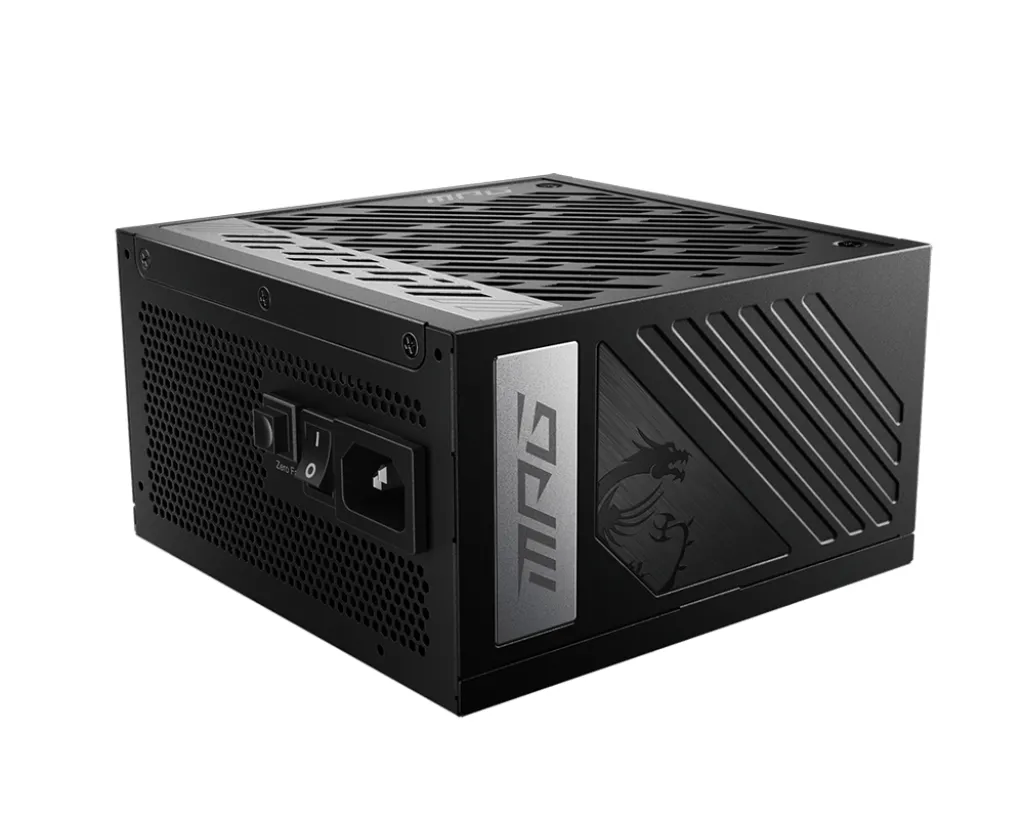
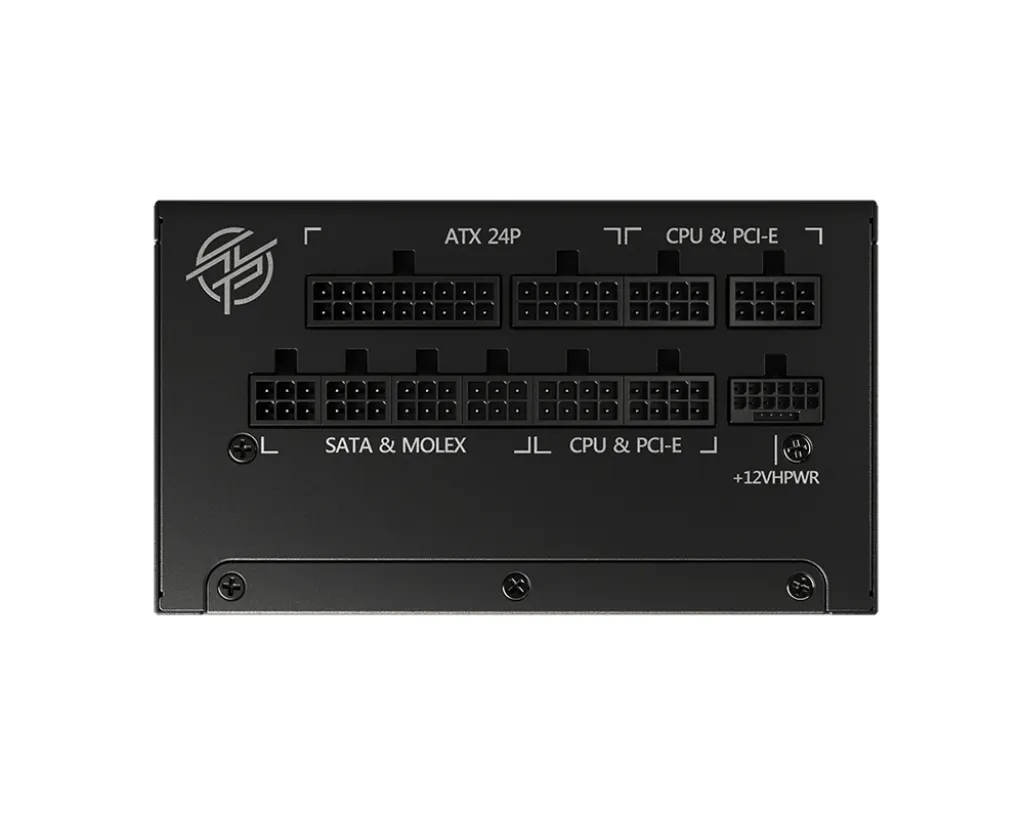
- Storage and Power Delivery: Storage (such as NVMe SSDs) keeps your files safe and accessible. Reliable power supplies ensure every component receives stable and safe electricity.
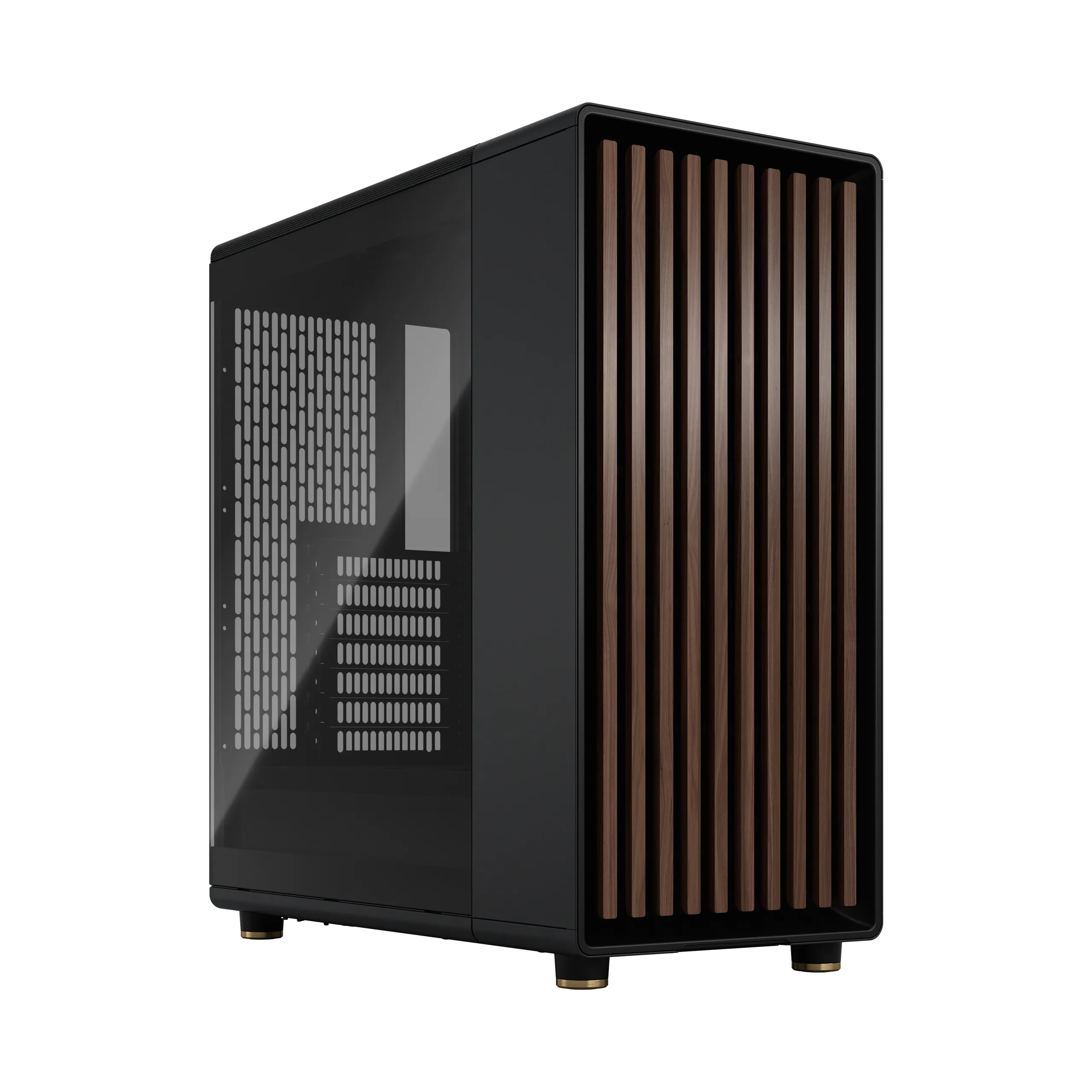
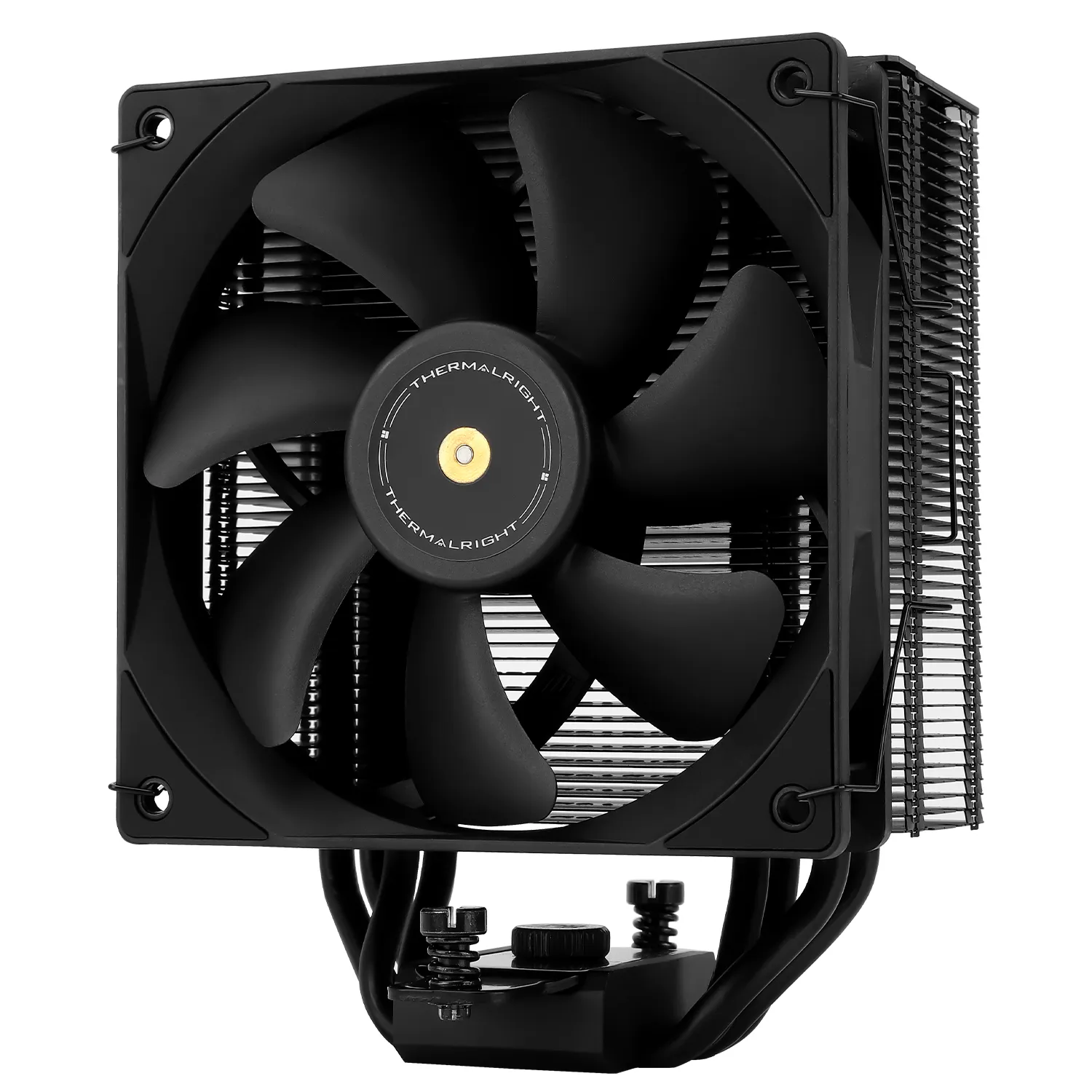
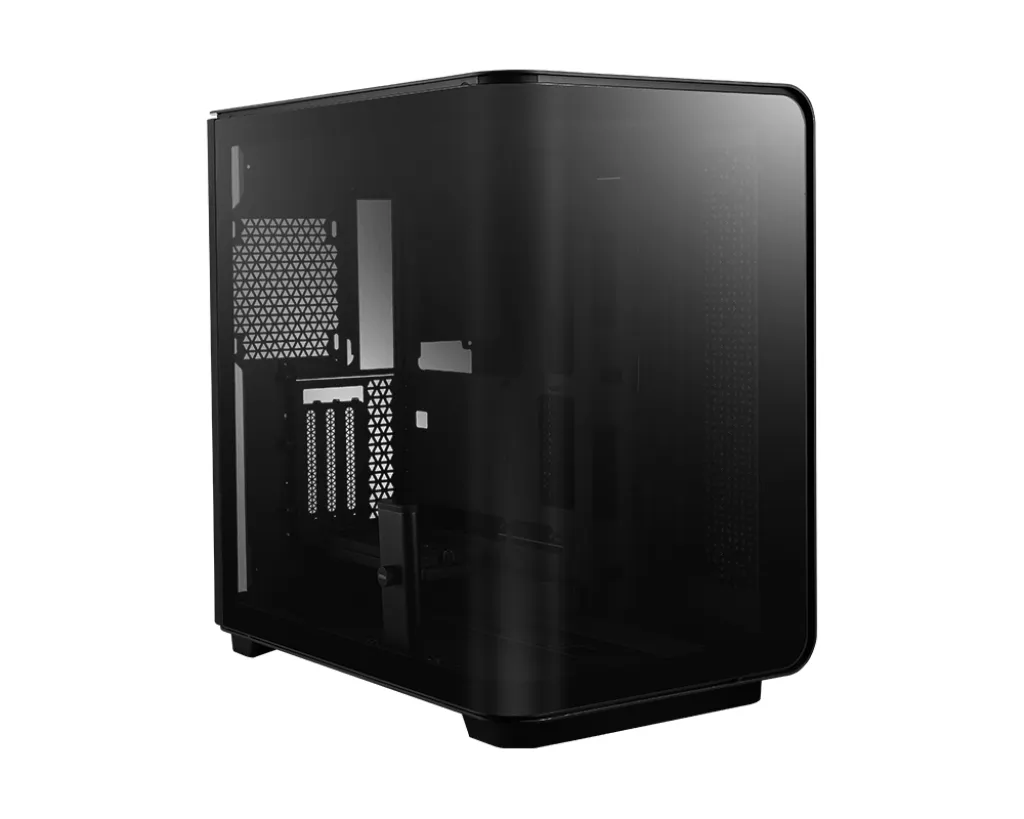
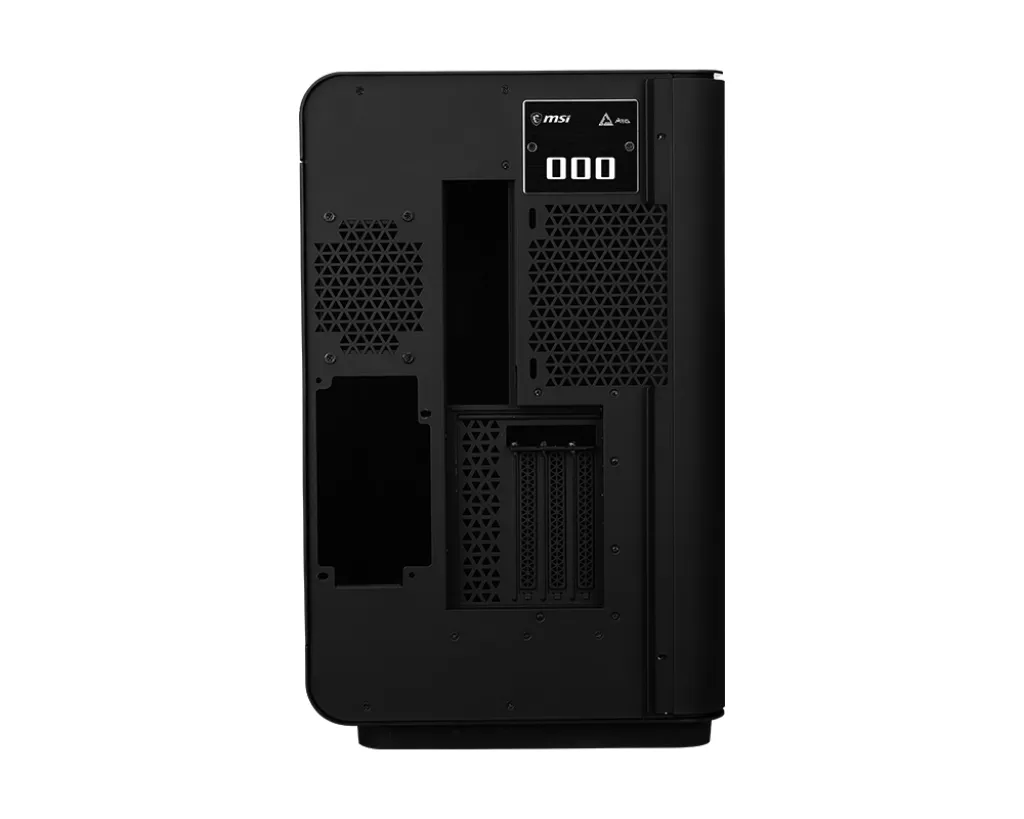
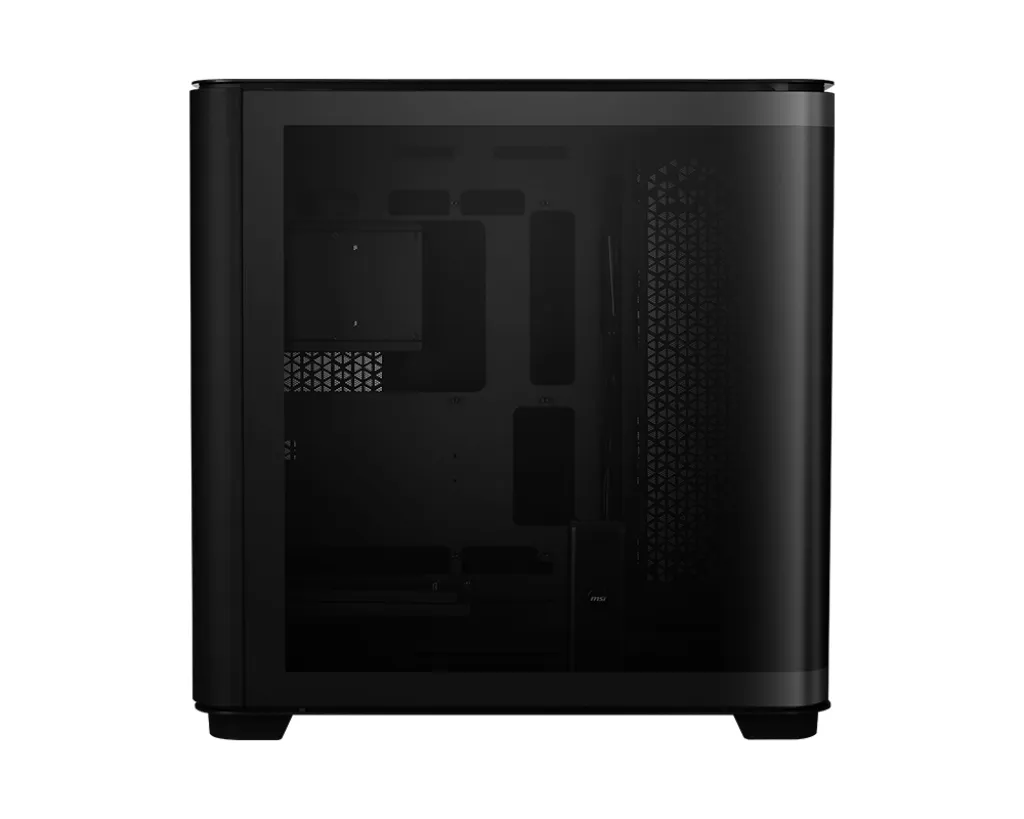
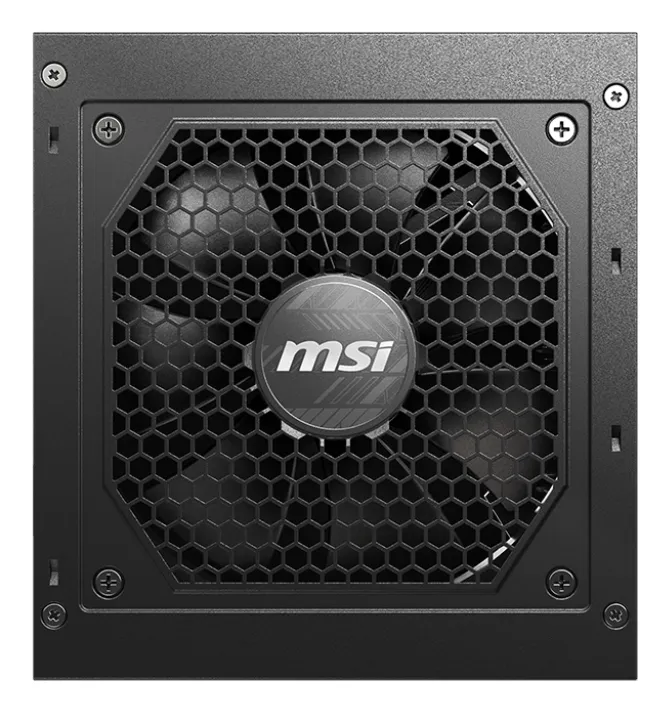
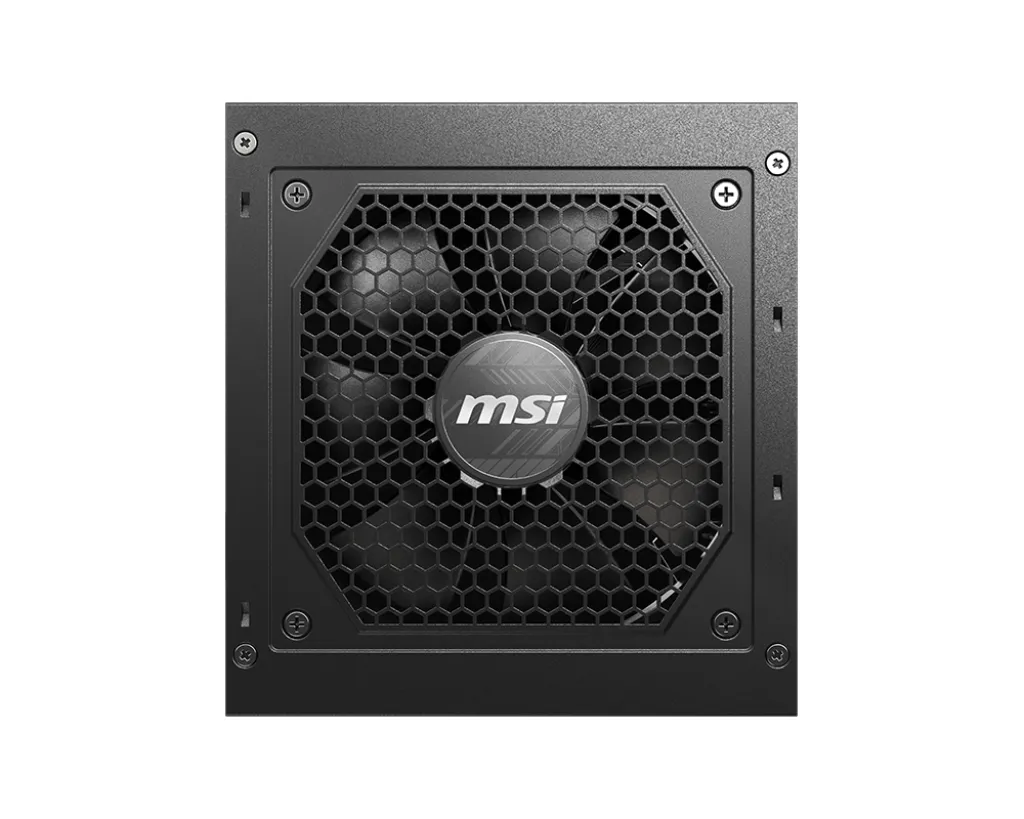
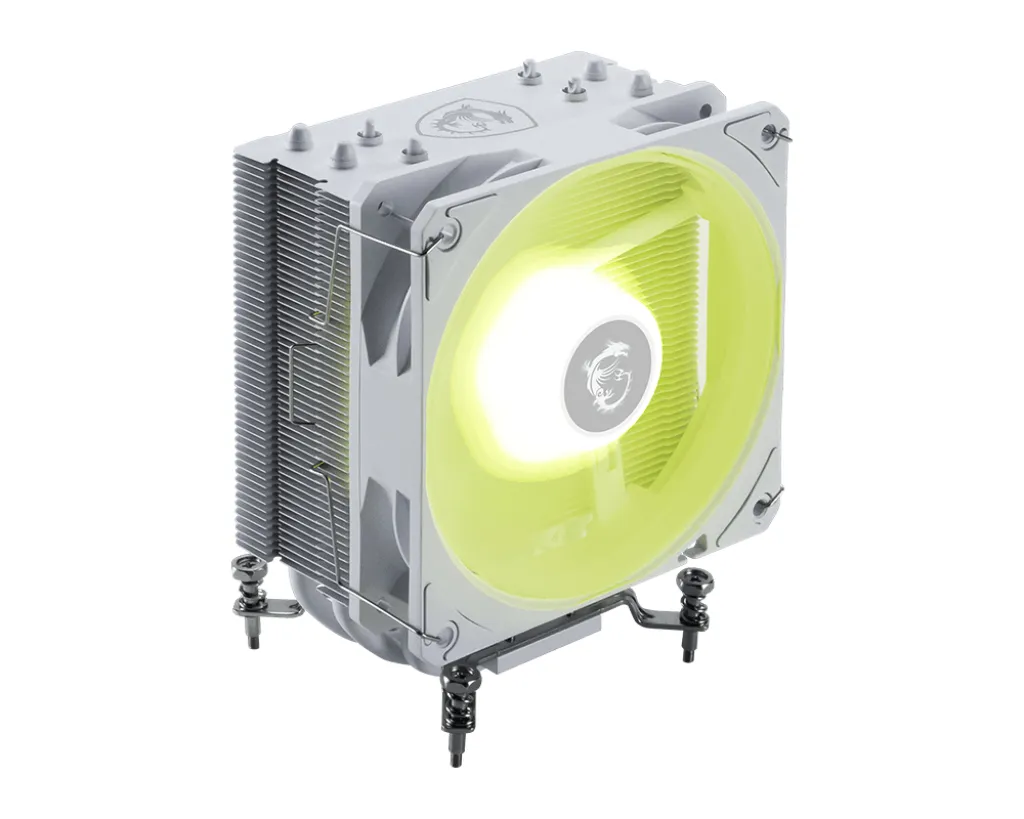
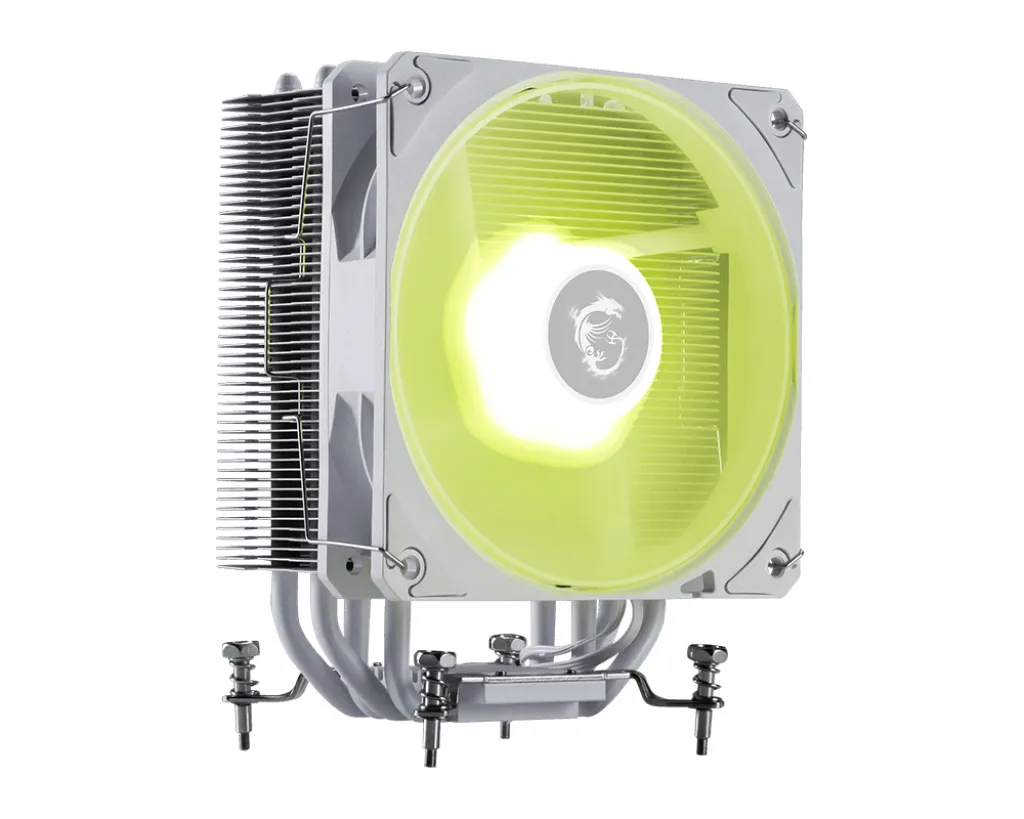
- Thermal Management and Airflow: Fans and cooling keep component temperatures in check, which is vital for stable performance. Cases define the physical framework for the build, optimal airflow, and expandability.
Frequently Asked Questions (FAQ)
How do I ensure component compatibility?
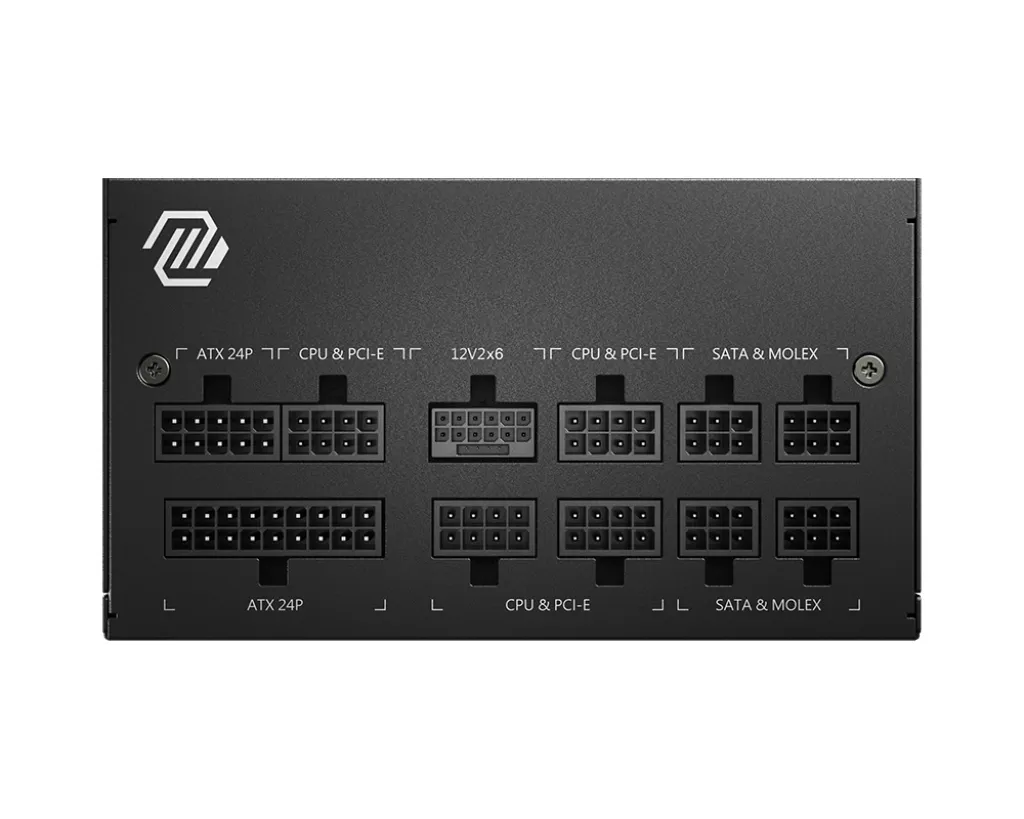
The most critical steps are checking the CPU and motherboard socket, the memory type (e.g., DDR5), and ensuring the power supply has enough wattage and the correct connectors for the GPU.
Should I invest in high-end parts immediately or upgrade later?
It is recommended to invest in a high-quality motherboard, power supply, and case from the start. These parts often last through several CPU or GPU upgrades.
How does cooling affect performance?
Modern components automatically lower their clock speeds (thermal throttling) if they overheat. Proper cooling not only extends the lifespan of parts but also ensures they operate at maximum capacity without performance drops.
What is the most important component for gaming?
The graphics card is usually the most significant factor for gaming performance. However, avoid "bottlenecks"—a weak CPU can prevent a powerful GPU from reaching its full potential.